






















Cycling for Health & Weight Loss: Complete Cycling Fitness Guide for India
Cycling is a practical form of physical activity that can be added to many everyday routines. Whether you want to become more active, support weight management, improve fitness or simply enjoy regular outdoor riding, the right bicycle and riding routine can make cycling easier to continue.
Cycling can contribute to regular physical activity and can support weight management when combined with an appropriate overall diet, recovery and lifestyle. How much energy you use while cycling depends on factors such as body size, riding speed, terrain, duration and effort. There is no single cycling routine that works the same way for everyone.

What Is Cycling for Fitness?
Cycling for fitness means using a bicycle regularly as part of an active lifestyle. It can range from easy recreational rides to longer endurance rides or more demanding cycling sessions.
The important factor is choosing a riding routine that is appropriate for your current fitness level and that you can perform consistently.

1. Cycling for Weight Loss
Weight loss generally involves an energy balance over time. Cycling can increase physical activity and therefore contribute to energy expenditure, but the result depends on the complete lifestyle rather than cycling alone.
Cycling duration, intensity, terrain and body size can all affect how much energy a person uses during a ride.

Consistency Matters
A moderate cycling routine that you can maintain regularly may be more practical than an extremely difficult routine that you cannot continue.
Start according to your current fitness level and gradually increase duration or effort as your body adapts.
2. How Many Calories Does Cycling Burn?
There is no single calorie number for every cycling session. Energy expenditure can vary according to body weight, cycling speed, terrain, duration, wind, bicycle type and riding effort.
A calorie calculator can provide an estimate, but it should be treated as an estimate rather than an exact measurement of energy expenditure.

What Changes Cycling Calories?
- Riding duration
- Cycling speed and effort
- Body weight
- Road gradient and terrain
- Wind conditions
- Stop-and-go riding
- Riding position and bicycle type
3. Cycling Calories Calculator
A cycling calorie calculator can estimate energy expenditure using information such as body weight, riding duration and cycling intensity.
Body Weight
Body size is one factor used in many calorie-estimation methods.
Duration
Longer riding sessions generally involve more total activity than shorter sessions at the same effort.
Intensity
Easy, moderate and harder riding can produce different energy demands.
Terrain
Hills, wind and rough surfaces can change the effort required.
For a dedicated calculator, see: Cycling Calories Calculator
4. Can Cycling Reduce Belly Fat?
Cycling can support overall weight management by increasing physical activity, but exercise cannot selectively remove fat from only one area of the body.
If overall body fat decreases over time, changes can occur in different areas according to individual physiology. A combination of regular activity, suitable nutrition, sleep and sustainable habits is more useful than trying to target one body area through a single exercise.

5. Cycling vs Walking
Both cycling and walking can be practical ways to increase physical activity. The better option depends on your fitness level, available time, joints, route, preference and how consistently you can perform the activity.
| Factor | Cycling | Walking |
|---|---|---|
| Equipment | Requires a suitable bicycle and basic accessories | Usually requires no specialised equipment |
| Terrain | Works across roads, cycle routes and suitable trails | Works well across walking routes and many everyday locations |
| Intensity | Can range from easy riding to higher-effort cycling | Can range from easy walking to brisk walking |
| Daily Use | Can combine exercise with commuting or errands | Can be easily added to short daily journeys |

Choose the Activity You Can Continue
If cycling is enjoyable and practical for your routine, it can be a useful way to add more physical activity without requiring a separate workout location.
6. Cycling vs Running
Cycling and running are both forms of aerobic physical activity, but they place different demands on the body and require different equipment and movement patterns.
Cycling can be useful for people who prefer riding or want to combine fitness with commuting and outdoor recreation. Running may be more convenient when no bicycle is available.

There Is No Universal Winner
The useful choice is the activity that fits your goals, current fitness level, physical comfort, schedule and ability to maintain it consistently.
7. Cycling for Heart Health
Regular physical activity is an important part of a healthy lifestyle. Cycling can be used as an aerobic activity when performed at an appropriate intensity.
Beginners should start at a comfortable level and gradually increase activity. Anyone with a known medical condition or concerns about exercise should follow advice from an appropriately qualified healthcare professional.

8. Cycling and Diabetes
Physical activity can be part of diabetes management for many people, but the appropriate exercise routine depends on the individual's health, medication and glucose-management plan.
People with diabetes should discuss exercise planning with their healthcare professional when needed, particularly if they use medicines that can affect blood glucose levels or have other health considerations.

Make the Routine Individual
Cycling duration, intensity, food timing and medication considerations can vary significantly between people.
9. Cycling Every Day: Is It Good?
Cycling every day can be appropriate for some people, especially when riding intensity and duration are managed according to fitness and recovery needs.
Daily cycling does not mean every ride needs to be hard. Some days can involve easy riding while other sessions can be longer or more demanding.
Easy Days
Comfortable rides can provide movement without making every session highly demanding.
Moderate Days
A moderate effort can be useful for building regular aerobic activity.
Longer Rides
Longer rides should be introduced gradually according to fitness and recovery.
Recovery
Rest and recovery remain important when cycling regularly.

10. Morning vs Evening Cycling
The best time to cycle is often the time that fits your schedule, weather, route and personal preference.
| Factor | Morning Cycling | Evening Cycling |
|---|---|---|
| Schedule | Can fit before work or school | Can fit after work or daily responsibilities |
| Weather | May be cooler depending on season and location | Temperature may be more comfortable after hot afternoons |
| Traffic | Route-dependent | Route-dependent |
| Consistency | Useful if mornings are easier to protect | Useful if evenings fit your routine better |

Choose the Time You Can Maintain
A consistent cycling routine is more useful than choosing a specific time of day simply because it is considered universally better.
11. Which Bicycle Is Best for Fitness?
The best bicycle for fitness depends on where you ride, how far you ride, your body size, preferred riding position, terrain, budget and comfort.
There is no single bicycle category that is best for every rider.
Hybrid Cycle
A practical option for many paved-road, commuting and recreational fitness rides.
Explore City & Hybrid CyclesMTB Cycle
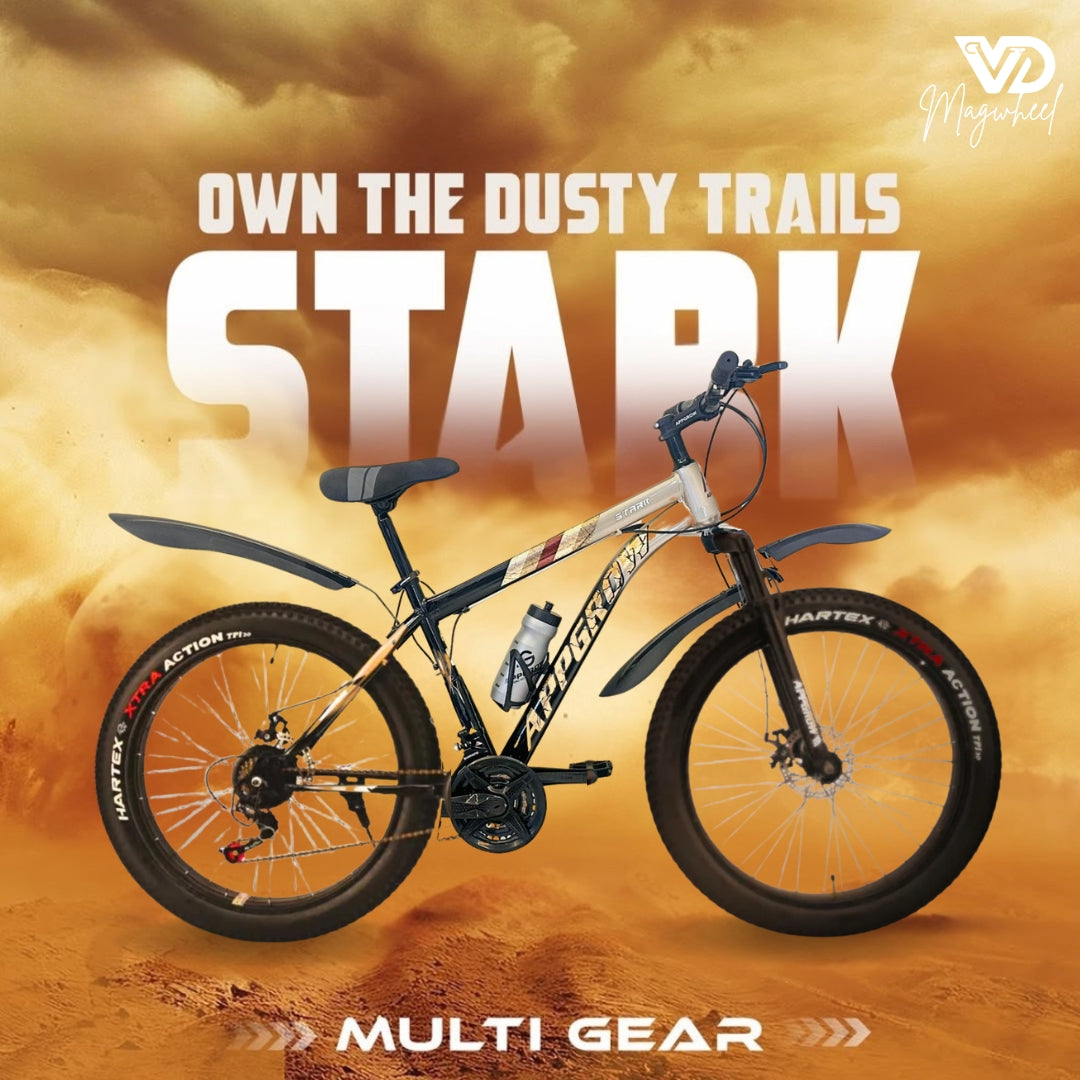
Useful when fitness riding includes rougher roads, trails or mixed surfaces.
Explore MTB Cycles700C Cycle
Can suit riders looking for road-oriented or hybrid-style fitness riding, depending on the bicycle.
Explore 700C CyclesElectric Cycle
Electric assistance can help some riders ride farther or make cycling more accessible, although the amount of physical effort depends on how the assistance is used.
Explore Electric Cycles
12. Electric Cycle for Fitness: What Category Are We Talking About?
When someone searches for the “best electric cycle,” it is important to first identify what type of riding they actually want.
| Need | Possible Bicycle Category | What to Check |
|---|---|---|
| Daily commuting | Electric city / hybrid style | Range, comfort, tyres, battery, service |
| Fitness with assistance | Electric MTB / hybrid style | Motor, battery, assist modes, frame, brakes |
| Rougher terrain | Electric MTB | Tyres, suspension, brakes, motor and battery |
| Compact storage | Folding electric cycle | Folding mechanism, weight, battery, wheels |
VD Chawla Cycles currently lists electric cycles alongside MTB, city, road and folding categories, with brands including EMotorad and Hero Lectro on its store. :chatgpt-content-reference{index="1"}
13. What Should You Check Before Buying a Fitness Cycle?
- Rider height: Start with correct bicycle sizing.
- Frame size: Make sure the frame fits your body and preferred riding position.
- Wheel size: Match wheel size with the bicycle category and rider fit.
- Riding purpose: Decide whether you need city, hybrid, MTB, road, folding or electric riding.
- Tyres: Choose tyres according to your regular roads and terrain.
- Gears: Consider whether multiple gear ratios are useful for your routes.
- Brakes: Check the braking system and component quality.
- Suspension: Choose it when your riding environment actually benefits from it.
- Weight: Consider lifting, storage and everyday handling.
- Service: Check whether parts and service support are available for the bicycle.

14. Bicycle Budget for Fitness Riding
Your budget should be based on how frequently you expect to ride and what specifications you actually need.
For a regular fitness bicycle, it is worth comparing frame quality, components, brakes, tyres, sizing, warranty and service support rather than choosing only by the lowest price.
A very low-priced bicycle may look attractive initially, but buyers should compare the complete specification, assembly, component availability and after-sales support before making a decision.
15. Brand, Service and Replacement Parts Matter
For a bicycle that you plan to use regularly, consider whether replacement parts and service support are reasonably accessible.
VD Chawla Cycles currently lists established brands including Firefox, Hero Cycles, Hercules, EMotorad, Kross and Hero Lectro across its store categories. :chatgpt-content-reference{index="2"}
For example, non-geared bicycles can have a relatively simple drivetrain, and common wear items can be straightforward to understand and maintain. But the actual parts availability depends on the particular model.
Think Beyond the Purchase
Before buying, consider where you will get servicing, which parts are likely to need replacement and whether the bicycle has suitable warranty support.
16. Girls, Boys, Adults and Kids: Does Gender Decide the Bicycle?
Bicycle selection should primarily be based on rider height, size, fit, riding purpose and comfort rather than gender alone.
Some riders may prefer a lower step-over frame for easier mounting, while others may prefer a more traditional MTB or BMX-style geometry. These preferences can apply to different riders regardless of gender.
For children, wheel size and rider height are especially important. For teenagers and adults, frame size, riding position and intended use become increasingly important.

17. School Cycling and Fitness
For school riders, the bicycle should first be correctly sized and easy to control. Practical features such as a carrier can be useful when the rider needs to carry a school bag or other items, but not every rider wants or needs a carrier.
The choice should therefore depend on the school route, rider size, storage requirements and personal preference.
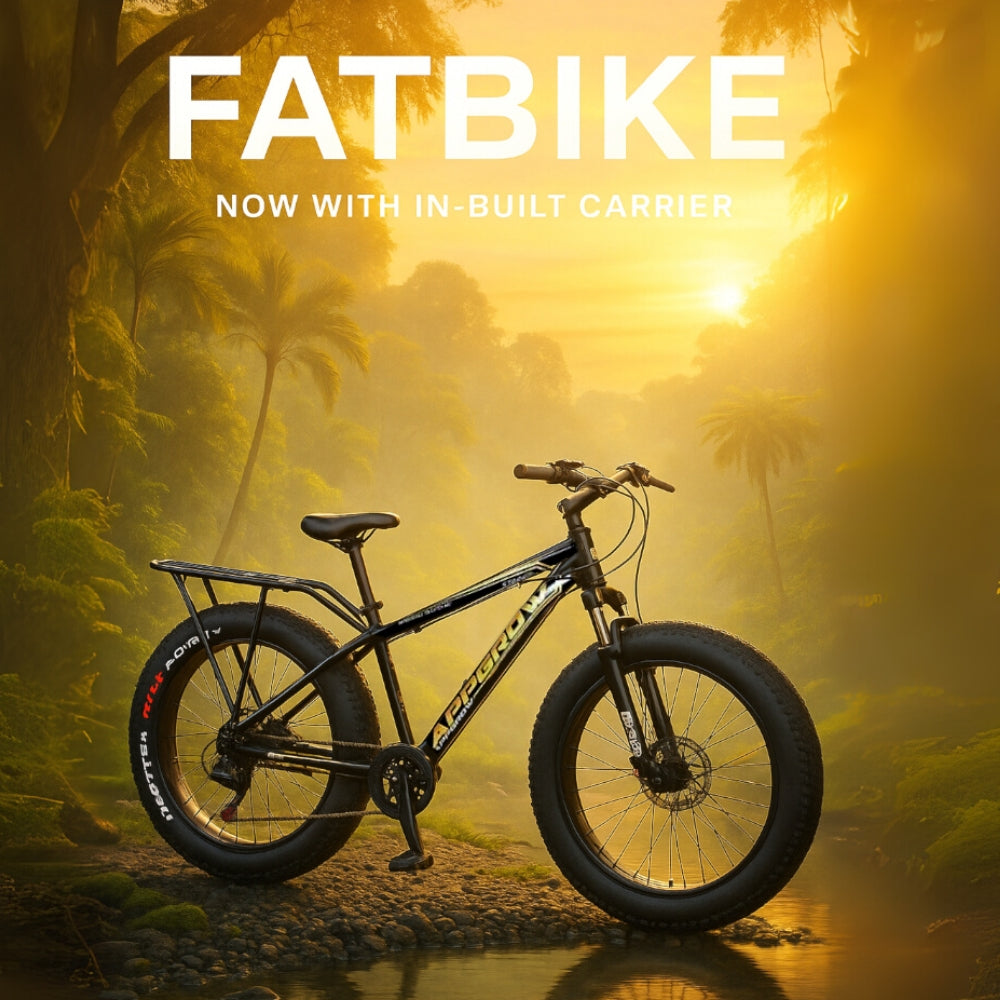
18. Can a Fat Bike Be Used for Fitness?
A fat bike can be used for recreational fitness riding, particularly when the rider enjoys wider tyres and a different riding feel. However, the wider tyres can produce a different rolling feel from a conventional hybrid or road-oriented bicycle.
Choose a fat bike because it suits your riding environment and preference, rather than simply because it looks more substantial.
Match Tyres to the Terrain
Consider where you actually plan to ride before choosing a wide-tyre bicycle.
19. Accessories That Can Make Fitness Cycling Easier
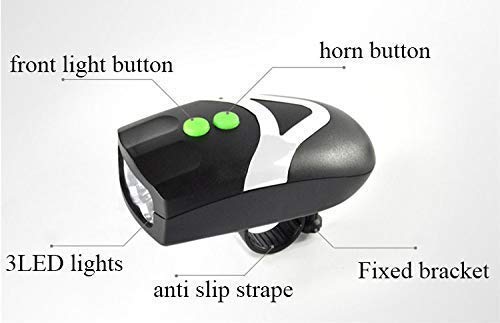
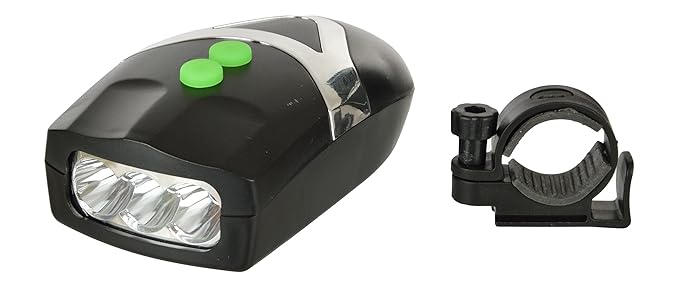
Depending on the riding distance and environment, useful cycling accessories can include a helmet, lights, bottle holder, lock, pump, repair tools and other practical equipment.
Recommended Cycling Accessories
You can explore bicycle accessories and riding essentials through the VD Chawla Cycles Amazon storefront.
Shop Cycling Accessories on Amazon
Always check the current product details, compatibility, price, availability and seller information before purchasing.

20. How to Start Cycling for Fitness
- Choose a bicycle that fits your height and riding purpose.
- Start with a comfortable route.
- Begin with a manageable riding duration.
- Keep the effort appropriate for your current fitness level.
- Gradually increase duration or distance.
- Use appropriate safety equipment.
- Maintain your bicycle regularly.
- Give your body enough recovery when needed.

Related Cycling Fitness Guides
Explore the individual guides below for more specific questions:
Cycling for Weight Loss
How cycling can fit into a sustainable weight-management routine.
Read the GuideCycling Calories Calculator
Understand the factors used to estimate cycling energy expenditure.
Use the CalculatorCycling vs Running
Understand the practical differences between cycling and running.
Read the ComparisonCycling for Diabetes
General information about cycling and physical activity for people managing diabetes.
Read the GuideMorning vs Evening Cycling
Compare practical considerations when choosing your riding time.
Read the GuideUseful Bicycle Buying Guides
Why Bicycle Selection Matters for Fitness
The bicycle you choose should make your intended riding comfortable enough to continue. Correct sizing, suitable tyres, an appropriate riding position and the right bicycle category can all influence the overall riding experience.
If you are buying your first bicycle, do not select only by appearance, gear count or price. Compare the bicycle with your height, route, fitness goal, budget and expected frequency of use.

Frequently Asked Questions
Is cycling good for weight loss?
Cycling can increase physical activity and energy expenditure and can support weight management when combined with an appropriate overall lifestyle.
Does cycling reduce belly fat?
Cycling cannot selectively remove fat from the belly. It can contribute to overall physical activity and weight management, which may reduce body fat over time.
Is cycling better than walking?
Neither is universally better. The appropriate choice depends on your fitness level, route, schedule, comfort and which activity you can perform consistently.
Is cycling better than running?
Cycling and running are different forms of physical activity. The better option for an individual depends on their goals, fitness level, comfort, schedule and preference.
Can I cycle every day?
Some people can cycle daily, but intensity and duration should be matched to fitness and recovery. Daily cycling does not require every ride to be high intensity.
Which cycle is best for fitness?
It depends on where you ride and what you want from the bicycle. Hybrid, MTB, city, 700C and electric bicycles can serve different fitness and recreational requirements.
Is an electric cycle useful for fitness?
It can be useful for riders who want assistance while cycling. The amount of physical effort depends on the assistance level, terrain, duration and how the bicycle is ridden.
What should I check before buying a fitness cycle?
Check rider height, frame size, wheel size, riding position, bicycle category, tyres, gears, brakes, suspension, weight, service support and budget.
Conclusion
Cycling can be a practical way to add regular physical activity to your lifestyle and can support fitness and weight management when combined with suitable nutrition, recovery and consistent habits.
The right bicycle depends on the rider. Consider height, frame size, wheel size, riding purpose, terrain, comfort, bicycle type, components, service support and budget before buying.
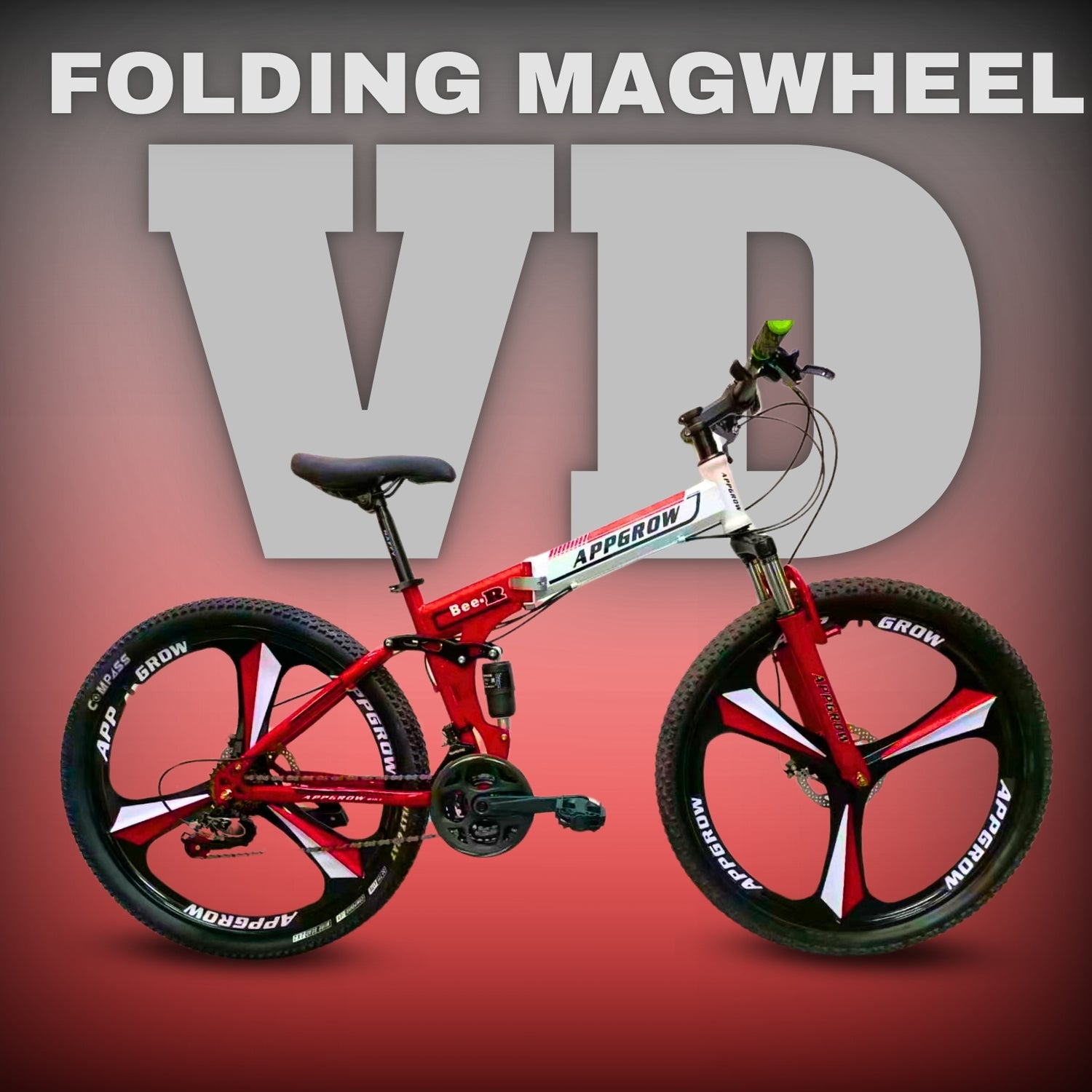
Whether you choose an MTB, hybrid, city bicycle, 700C, folding cycle or electric bicycle, the most useful choice is the one that fits your needs and makes regular riding practical.