



























Morning vs Evening Cycling: Which Time Is Better for Fitness?
Choosing between morning and evening cycling often comes down to your schedule, weather, energy levels, traffic, safety and personal preference. Both can provide useful physical activity when the ride is performed consistently.
Quick Answer
Morning vs evening cycling: which is better? There is no universally best time to cycle. Morning cycling can fit well before daily responsibilities begin, while evening cycling can be convenient after work, school or other commitments.
For fitness, consistency is generally more important than choosing a specific time of day. The best option is the one that fits your routine, riding conditions and ability to cycle safely and comfortably.

Morning vs Evening Cycling at a Glance
| Factor | Morning Cycling | Evening Cycling |
|---|---|---|
| Schedule | Can fit before work, school or daily responsibilities | Can fit after daytime commitments |
| Temperature | Often more comfortable during hot weather | Can be more comfortable after daytime heat decreases |
| Traffic | Depends on local commute timing and route | Depends on local evening traffic and route |
| Visibility | May require lights around sunrise | Lights and reflective equipment may be important |
| Consistency | Useful for people who prefer early routines | Useful for people with morning commitments |

The Main Difference
The practical difference is usually not whether one time is automatically better, but whether the chosen time allows you to ride consistently and safely.
EDUCATIONAL VISUAL: premium editorial comparison with sunrise and evening cycling, readable callout labels and no cheap infographic styling.
Benefits of Morning Cycling
Start the Day Actively
A morning ride can provide physical activity before work, school or other responsibilities.
Cooler Conditions
In hot climates, early morning temperatures can sometimes be more comfortable than afternoon conditions.
Routine Building
People who prefer structured mornings may find it easier to make cycling a regular habit.
Less Schedule Interruption
Completing the ride early can leave the rest of the day available for other commitments.

Morning Routine
Morning cycling can work well for riders who prefer exercising before the day becomes busy. The route and timing should still account for visibility, traffic and weather.
Benefits of Evening Cycling
Fits After Work or School
Evening rides can be convenient for people whose daytime schedule is already occupied.
Potentially More Comfortable Weather
In warm conditions, evening temperatures may be more comfortable than the hottest part of the afternoon.
Flexible Fitness Time
A planned evening ride can provide a consistent opportunity for exercise.
Relaxed Routine
Some riders prefer cycling after completing their main work or study responsibilities.

Evening Routine
Evening cycling can be a practical choice when mornings are busy. Good lighting and visibility become increasingly important as daylight decreases.
Morning vs Evening Cycling for Weight Loss
The time of day alone does not determine how much weight a person loses. Cycling uses energy whether you ride in the morning or evening.
Factors such as riding duration, intensity, frequency, overall physical activity and food intake are more relevant to total energy balance than simply choosing morning or evening.

Morning vs Evening Cycling for Calories
Calories burned during cycling depend on factors such as body weight, riding duration, intensity, terrain, wind and cycling efficiency.
If the same person rides for the same duration and at a similar intensity, the clock time itself is not the main factor determining energy expenditure.

Focus on the Ride
Instead of focusing only on the clock, consider how long and how intensely you ride, along with your overall weekly activity.
Morning vs Evening Cycling for Fitness
Both morning and evening cycling can contribute to cardiovascular fitness and endurance. Fitness improvements are influenced by consistency, training load, intensity and recovery.
A rider who consistently completes comfortable morning rides may achieve more practical benefits than someone who chooses an ideal-sounding time but rarely rides.

Morning Cycling in Indian Weather
In many parts of India, early morning conditions can be more comfortable during hot periods. However, temperature, humidity, air quality, road conditions and visibility vary by location and season.
Check local conditions and adjust your route, duration and intensity when necessary.

Plan Around Conditions
A cooler time of day can be useful in hot weather, but comfortable temperature alone does not guarantee safe riding. Visibility and road conditions also matter.
Evening Cycling in Indian Weather
Evening cycling may provide more comfortable temperatures after the hottest part of the day. However, riders need to consider traffic, reduced daylight and visibility.
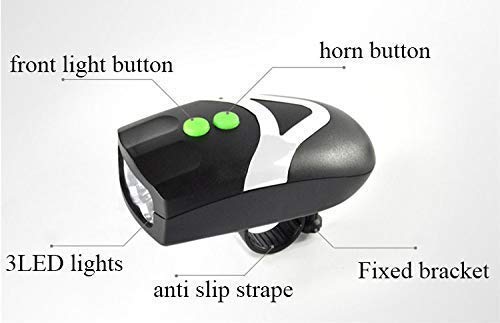
Use appropriate front and rear lights and reflective elements when riding in low-light conditions.

Visibility Matters
As daylight decreases, make yourself visible to other road users and choose routes that are appropriate for low-light cycling.
Morning vs Evening Cycling and Traffic
Traffic conditions vary considerably between cities, roads and time periods. Neither morning nor evening is automatically safer everywhere.
| Factor | Morning | Evening |
|---|---|---|
| Visibility | May be reduced around sunrise | Can decrease as daylight fades |
| Traffic | May overlap with morning commute | May overlap with evening commute |
| Route Choice | Choose roads suitable for early riding | Choose well-lit and familiar routes |
| Safety Equipment | Lights may be useful in low light | Lights and reflective elements are especially important |

Does Morning Cycling Burn More Calories Than Evening Cycling?
There is no simple rule that morning cycling automatically burns more calories than evening cycling. Energy expenditure depends largely on the characteristics of the ride and the rider.
Duration, intensity, terrain, body weight and other factors can affect calorie expenditure. The most useful approach is to choose a time when you can ride consistently.
Should You Cycle Before or After Breakfast?
Eating patterns around exercise vary between individuals. Whether you prefer cycling before or after breakfast depends on the duration and intensity of the ride, personal preference and individual health considerations.
There is no need to assume that exercising without eating first is automatically better. For longer or more demanding rides, planning food and hydration can become particularly important.

Fuel According to the Ride
Short easy rides and long demanding rides can have different food and hydration requirements. Plan accordingly rather than following a single rule.
Which Is Better: Morning or Evening Cycling?
Neither time is universally better. Your choice should consider the factors that affect your ability to ride consistently and safely.
Choose Morning If...
- You prefer exercising before daily commitments.
- Early temperatures are more comfortable.
- You enjoy starting the day with physical activity.
- Your morning route has suitable visibility and traffic conditions.
Choose Evening If...
- Your mornings are busy.
- You prefer exercising after work or school.
- Evening temperatures are more comfortable.
- You have a safe, well-lit route available.

Best Time to Cycle for Beginners
Beginners should prioritize a time when they can ride regularly without unnecessary stress. Starting with a comfortable route and manageable duration is more important than selecting a specific time based on fitness trends.
- Choose a time that fits your daily schedule.
- Select a safe and familiar route.
- Start at an easy intensity.
- Keep the initial rides manageable.
- Gradually increase riding time.
- Stay hydrated according to the weather and ride duration.
- Use lights and reflective equipment when visibility is low.

Which Bicycle Is Good for Morning and Evening Cycling?
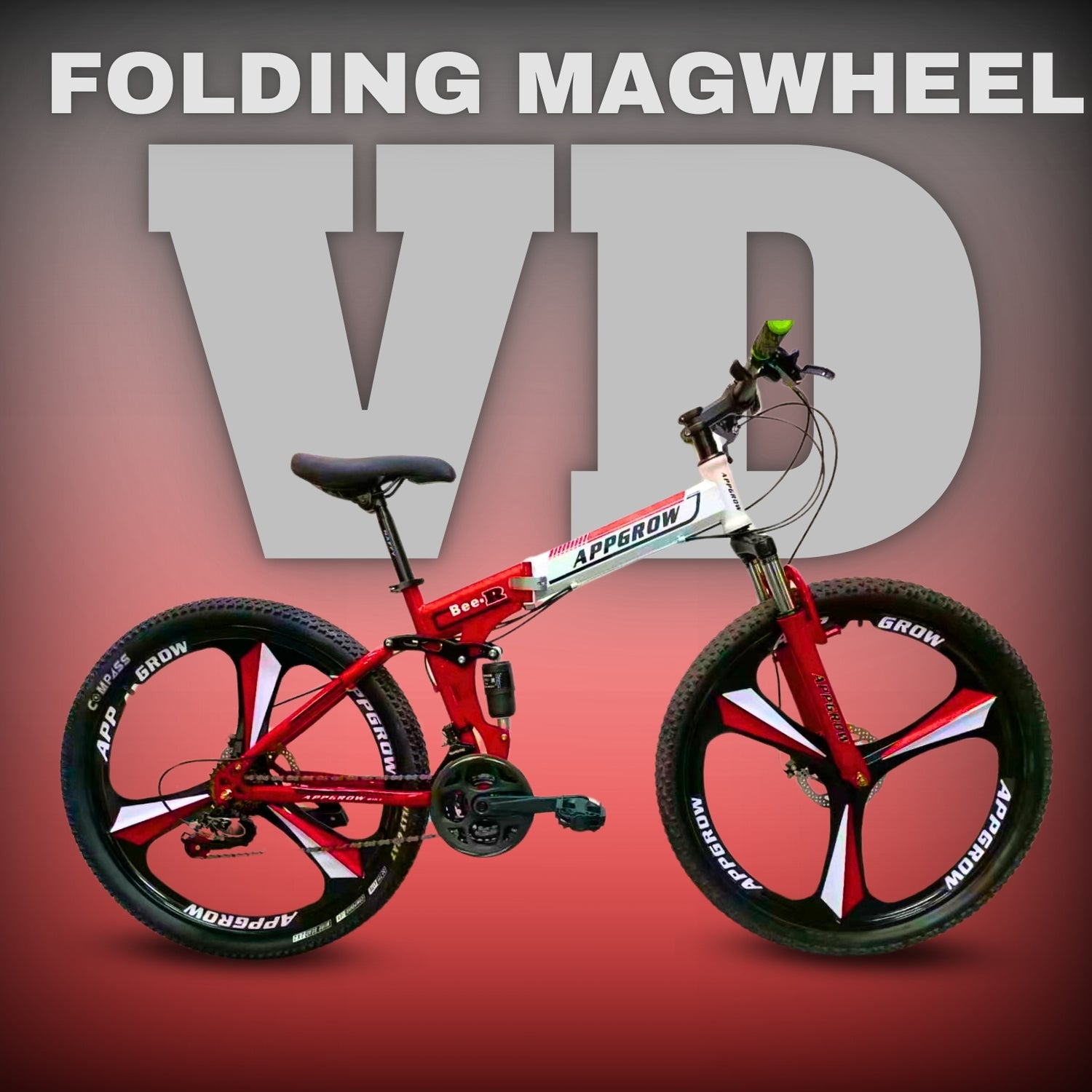
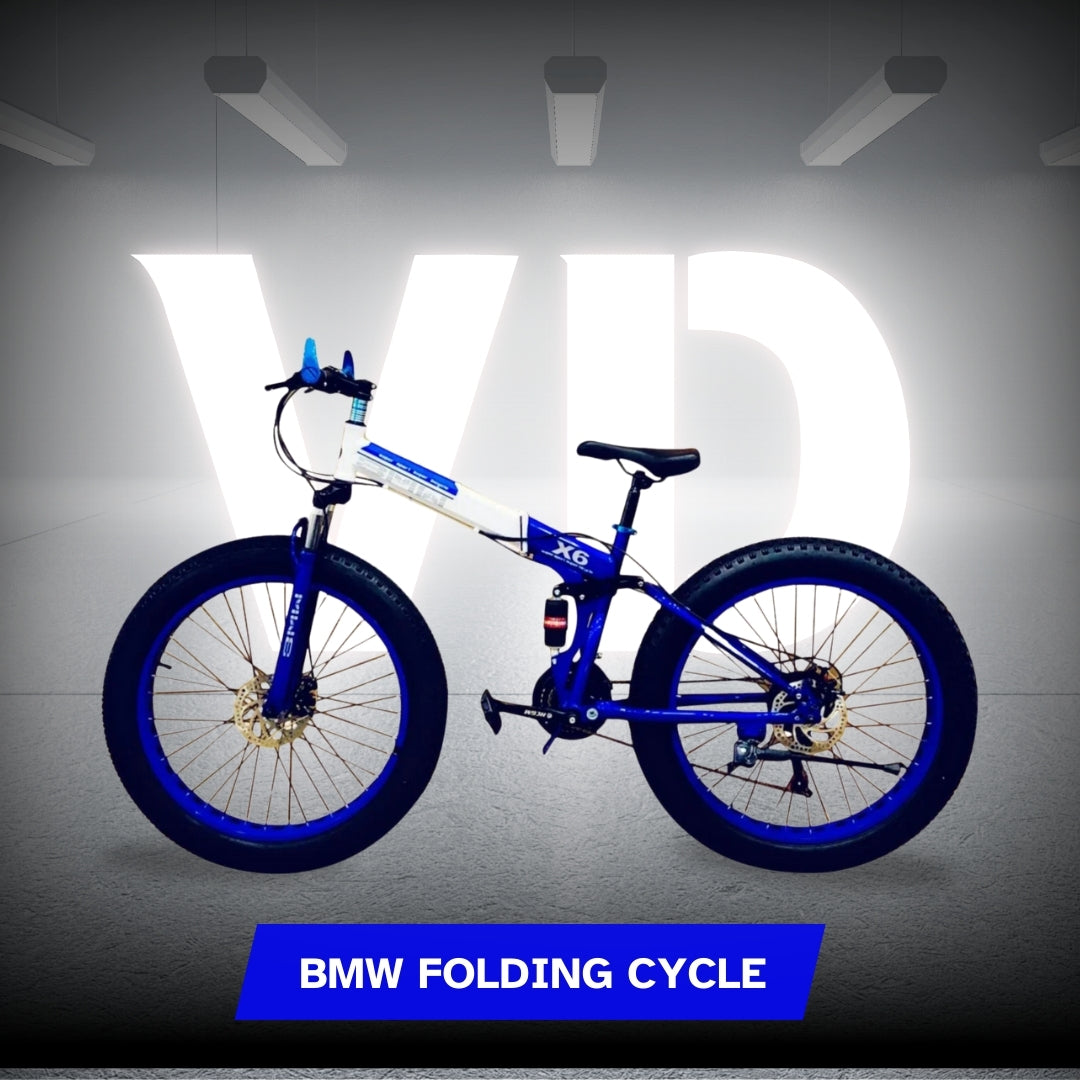
The bicycle should match your riding environment rather than the time of day alone. Fit, comfort, tyres, riding position and intended use are important factors.
| Bicycle Type | Common Use | What to Consider |
|---|---|---|
| City Bike | Urban everyday riding | Comfort, practicality and handling |
| Hybrid | Fitness and commuting | Riding position, tyres and comfort |
| MTB | Rougher roads and mixed surfaces | Tyres, suspension and terrain suitability |
| Road Bike | Road-focused fitness riding | Riding position and road conditions |
| Electric Cycle | Assisted commuting and everyday riding | Battery, motor, range and lighting needs |

Choose for Your Route
Your road surface, riding distance, comfort preference and bicycle fit matter more than simply whether you ride in the morning or evening.
Morning vs Evening Cycling: Safety Checklist
- Wear a properly fitted helmet.
- Use front and rear lights in low-light conditions.
- Use reflective elements when appropriate.
- Choose routes suitable for your experience.
- Check weather and road conditions before riding.
- Carry water for longer rides or hot conditions.
- Check brakes and tyres regularly.
- Follow traffic rules and remain aware of other road users.

Morning vs Evening Cycling: Key Takeaways
- There is no universally best time of day to cycle.
- Consistency is an important part of a sustainable cycling routine.
- Morning rides may be convenient before daily commitments.
- Evening rides may be convenient after work, school or other responsibilities.
- Weather and temperature can influence comfort.
- Traffic and visibility should be considered at both times.
- Calories depend mainly on the characteristics of the ride and the individual, not simply the clock time.
- Lights and reflective equipment are important when visibility is low.
- The best time is the one that fits your routine and allows safe, consistent cycling.

Frequently Asked Questions
Is morning cycling better than evening cycling?
Neither is universally better. The better choice depends on your schedule, weather, traffic, safety, energy levels and ability to maintain a consistent routine.
Is evening cycling good for fitness?
Yes. Evening cycling can provide aerobic physical activity and support fitness when performed consistently at an appropriate intensity.
Does morning cycling burn more calories?
The time of day alone does not determine calorie expenditure. Duration, intensity, body weight, terrain and other factors have a greater influence.
What is the best time to cycle in summer?
Cooler parts of the day can be more comfortable during hot weather, but local temperature, humidity, air quality, visibility and road conditions should all be considered.
Can I cycle in the evening after work?
Yes, evening cycling can be a convenient way to include exercise after work or other daytime commitments. Use appropriate lights and choose a safe route when daylight is low.
Should beginners cycle in the morning or evening?
Beginners can choose either. A manageable time that fits their schedule and provides safe riding conditions is generally more practical than following a fixed time rule.
Useful Bicycle & Fitness Guides
Conclusion
Morning and evening cycling can both be effective ways to include regular physical activity. Instead of searching for a universally perfect time, consider your schedule, local weather, traffic, visibility, comfort and ability to maintain the routine.
For most riders, the most useful cycling time is the one that allows them to ride consistently, safely and comfortably.
This article is for general educational information about cycling and fitness. It is not a substitute for individualized medical advice, diagnosis or treatment.