





























Cycling for Heart Health: Can Cycling Improve Cardiovascular Fitness?
Cycling is a practical aerobic activity that can be included in a physically active lifestyle. Regular cycling can help improve cardiovascular fitness and increase daily physical activity when performed at an appropriate intensity.
Quick Answer
Can cycling improve heart health? Regular cycling can support cardiovascular fitness by providing aerobic exercise and encouraging an active lifestyle. The benefits depend on factors such as riding frequency, duration, intensity, current fitness and overall health.
Beginners can start with comfortable rides and gradually build their activity. Cycling should complement, rather than replace, professional medical care when someone has a heart condition or specific cardiovascular concerns.

How Does Cycling Support Heart Health?
Cycling makes the heart and lungs work harder than they do during complete rest. As an aerobic activity, regular cycling can contribute to improved cardiovascular fitness when it is performed consistently and at an appropriate level for the rider.
Heart health is influenced by many factors, including physical activity, nutrition, sleep, smoking status, body weight, blood pressure, cholesterol and existing medical conditions. Cycling is one part of this bigger picture.

Cycling as Aerobic Exercise
During cycling, the body requires more oxygen and energy than it does at rest. Regular aerobic activity can help develop cardiovascular fitness over time.
EDUCATIONAL VISUAL: show heart, lungs, blood circulation and working leg muscles with refined editorial callout labels.
Potential Benefits of Cycling for Heart Fitness
Cardiovascular Fitness
Regular aerobic cycling can help improve your ability to perform sustained physical activity.
Daily Physical Activity
Cycling can make regular movement easier to include in a daily or weekly routine.
Weight Management
Cycling uses energy and can contribute to an active lifestyle that supports weight-management goals.
Endurance
Consistent cycling can help build physical endurance as the body adapts to regular aerobic activity.

Consistency Over Extreme Workouts
You do not need to make every ride a hard workout. A manageable routine that you can maintain consistently can be a practical way to build regular physical activity.
How Long Should You Cycle for Heart Fitness?
There is no single cycling duration that is appropriate for everyone. Your ideal routine depends on your current fitness, age, health, experience, cycling intensity and overall activity level.
If you are new to cycling, begin with manageable rides and gradually increase your duration as your fitness improves.
Beginner Progression
- Start with a comfortable cycling duration.
- Choose a pace that you can manage without excessive strain.
- Repeat your rides consistently.
- Gradually increase duration as your fitness allows.
- Include appropriate rest and recovery.

Build Gradually
A gradual increase in cycling time and workload allows you to develop a sustainable routine rather than suddenly starting with demanding sessions.
Cycling Intensity and Heart Health
Cycling intensity can range from a relaxed ride to a demanding workout. The appropriate level depends on your fitness and health.
| Intensity | Typical Riding Feel | General Use |
|---|---|---|
| Easy | Comfortable pace with relatively low effort | Useful for beginners, recovery and everyday riding |
| Moderate | Breathing becomes noticeably faster and effort increases | Useful for developing aerobic fitness |
| Hard | High effort that is difficult to maintain for long periods | More demanding training; not necessary for every rider |

Is Cycling Every Day Good for Heart Health?
Cycling can be included frequently in an active lifestyle, but the appropriate frequency depends on the intensity and duration of your rides as well as your overall health and recovery.
Easy everyday cycling is different from performing a demanding cycling workout every day. Giving your body enough recovery is important when training intensity increases.

Frequency Should Match Intensity
A comfortable daily ride may place a different demand on the body than a long or intense training session. Build your routine around what you can recover from safely.
Cycling and Blood Pressure
Regular physical activity is commonly included as part of a heart-healthy lifestyle. Cycling provides an aerobic form of movement that can contribute to overall physical fitness.
If you have high blood pressure or take blood-pressure medication, your exercise routine should be considered alongside your individual medical advice.

Cycling and Weight Management
Maintaining a healthy body weight can be relevant to cardiovascular health. Cycling uses energy, and regular riding can increase overall physical activity.
However, weight management is influenced by overall energy intake, activity, sleep and other lifestyle factors. Cycling should be viewed as one part of a broader healthy routine.

Movement Matters
Choosing a bicycle that you enjoy riding can make it easier to include regular physical activity in your lifestyle.
Which Bicycle Is Good for Heart-Focused Fitness Riding?
The bicycle category should match your riding environment, comfort requirements, fitness goals and experience. There is no single bicycle that is ideal for every rider.
| Bicycle Type | Suitable Riding Style | Important Considerations |
|---|---|---|
| Hybrid | Road riding, commuting and fitness | Comfort, riding position and tyre choice |
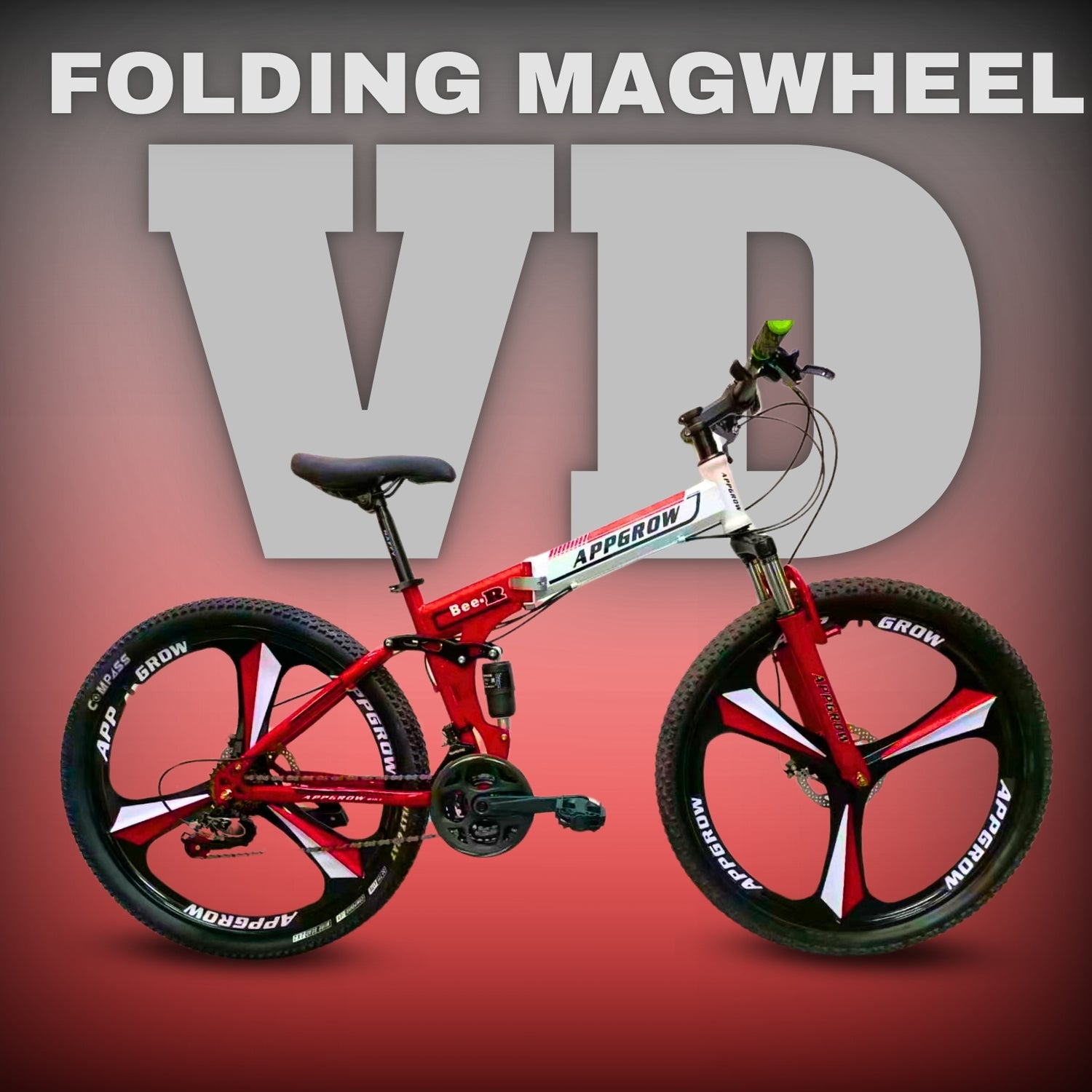
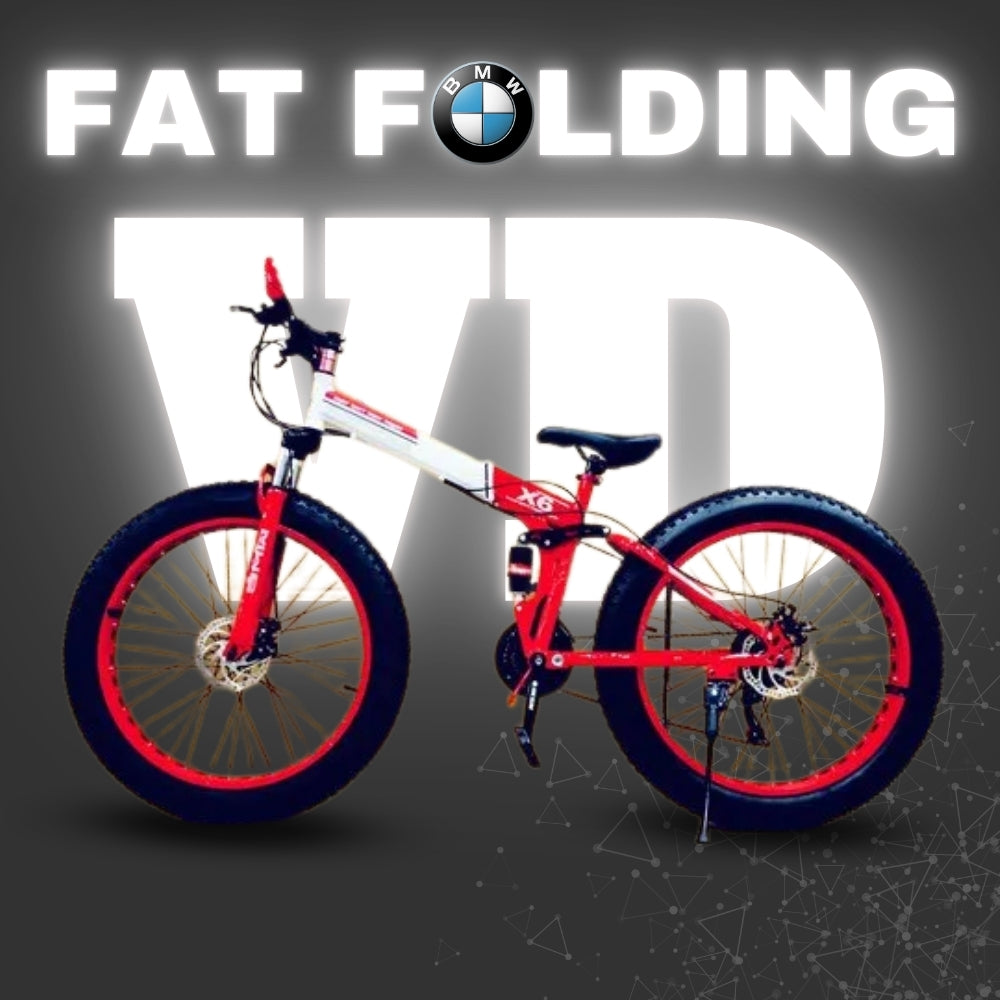
| MTB | Mixed surfaces and rougher roads | Tyres, suspension, weight and riding position |
| Road Bike | Road-focused fitness and faster riding | Riding position, tyres and road conditions |
| City Bike | Everyday urban riding | Comfort, practicality and easy handling |
| Electric Cycle | Assisted everyday riding | Motor, battery, range and intended use |

Comfort and Bicycle Fit Matter
An uncomfortable bicycle can make regular riding harder to maintain. Before buying, consider your height, frame size, wheel size, saddle height, handlebar position and intended riding environment.
Correct bicycle sizing is especially important when cycling regularly because the bicycle should feel stable, controllable and comfortable.

Fit Before Extra Features
More gears or additional components do not automatically make a bicycle better for fitness. Start with correct sizing and a comfortable riding position.
Heart-Healthy Cycling Habits
Ride Consistently
Create a realistic routine that fits your schedule instead of relying on occasional intense sessions.
Warm Up Gradually
Begin your ride at an easier pace before increasing effort.
Stay Hydrated
Carry water when appropriate, especially during longer rides and hot weather.
Allow Recovery
Give your body enough recovery when rides become longer or more demanding.

Safety Tips for Cycling and Heart Health
- Choose a safe route appropriate for your experience.
- Wear a properly fitted helmet.
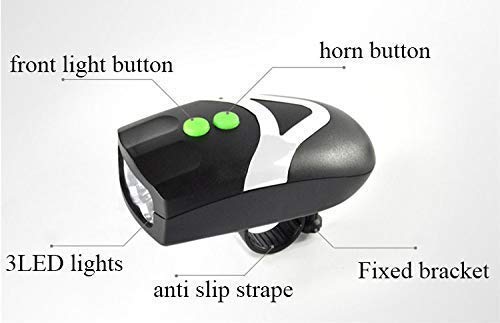
- Use lights and reflective elements when visibility is low.
- Stay hydrated during longer rides.
- Avoid suddenly increasing cycling intensity or distance.
- Take appropriate rest and recovery.
- Pay attention to unusual symptoms during exercise.
- Follow your healthcare professional's advice if you have a cardiovascular condition.

Safety Comes First
Cardiovascular fitness should be developed progressively. Completing a ride is never more important than responding appropriately to concerning symptoms.
When Should You Stop Cycling?
Stop exercising and seek appropriate medical attention if you experience concerning symptoms such as chest pain or pressure, fainting, severe or unusual shortness of breath, or other symptoms that are abnormal for you.
People with known cardiovascular conditions should follow their healthcare professional's recommendations about exercise intensity and warning signs.

Simple Cycling Routine for Beginners
- Choose a comfortable bicycle that fits your height.
- Start with an easy pace.
- Ride for a manageable duration.
- Gradually build your cycling time as your fitness improves.
- Keep harder sessions limited according to your fitness level.
- Allow recovery when needed.
- Stay hydrated and choose suitable riding conditions.
- Make cycling a sustainable part of your overall active lifestyle.

Cycling for Heart Health: Key Takeaways
- Cycling is an aerobic form of physical activity.
- Regular cycling can support cardiovascular fitness.
- Consistency is more practical than relying only on occasional intense rides.
- Beginners should increase cycling duration and intensity gradually.
- Correct bicycle fit can make regular riding more comfortable.
- Hydration, recovery and safe riding conditions matter.
- People with heart conditions should follow individualized medical advice.
- Unusual or concerning symptoms during exercise should not be ignored.

Frequently Asked Questions
Is cycling good for heart health?
Regular cycling can support cardiovascular fitness as part of an active lifestyle. The appropriate cycling routine depends on your health, fitness level, intensity and consistency.
Can cycling improve cardiovascular fitness?
Cycling is an aerobic activity and can help develop cardiovascular fitness when performed regularly at an appropriate intensity.
Can I cycle every day for heart fitness?
Some people can include easy cycling frequently, but daily high-intensity training is different. Frequency should match your fitness level, workload and recovery needs.
Is cycling better than walking for heart health?
Both cycling and walking can provide physical activity. The appropriate option depends on your fitness, goals, preferences, accessibility and health circumstances.
Can cycling help with weight management?
Cycling uses energy and can contribute to an active lifestyle. Weight management also depends on overall diet, activity, sleep and other lifestyle factors.
Can someone with heart disease cycle?
Exercise recommendations can vary significantly between people with cardiovascular conditions. Anyone with diagnosed heart disease or cardiovascular symptoms should follow individualized medical advice before changing their exercise routine.
Useful Bicycle Guides
Conclusion
Cycling can be a practical way to increase regular physical activity and support cardiovascular fitness. A comfortable bicycle, sensible progression, consistent riding, adequate recovery and safe riding habits can make cycling easier to maintain as part of a healthy lifestyle.
If you have a heart condition, cardiovascular symptoms or specific exercise restrictions, use individualized medical guidance when planning your cycling routine.
This article is for general educational information about cycling and heart health. It is not a substitute for individualized medical advice, diagnosis or treatment.