























Cycling for Belly Fat: Can Cycling Help Reduce Belly Fat?
Cycling can be a practical way to increase physical activity and support overall weight management. But cycling does not selectively remove fat from the belly. This guide explains the relationship between cycling, calorie expenditure, overall body fat, riding duration, intensity and consistent fitness habits.
Cycling can support overall weight management by increasing physical activity and energy expenditure, but it cannot specifically target belly fat. Where the body loses fat first varies between individuals. A sustainable combination of regular physical activity, appropriate nutrition, sleep and recovery is more useful than trying to target only one area of the body.

Can Cycling Help Reduce Belly Fat?
Cycling can contribute to overall physical activity and energy expenditure. If a person consistently maintains an appropriate energy balance over time, body weight and body-fat levels may change.
However, exercise cannot choose where the body removes fat first. Therefore, cycling should be viewed as a whole-body fitness activity rather than a specific belly-fat exercise.

1. Why Cycling Cannot Specifically Target Belly Fat
The body stores and uses fat in different areas according to individual physiology. Performing an exercise that uses the abdominal muscles or involves the body moving does not mean that fat will be removed only from the belly.
Cycling uses many muscles of the lower body and requires continuous physical effort, but the resulting changes in body fat occur according to the individual's overall energy balance and physiology.

Think About Overall Fat Loss
Instead of trying to burn fat from one specific area, focus on regular physical activity and sustainable lifestyle habits.
2. How Cycling Burns Energy
Cycling requires energy to move the bicycle and rider. The amount of energy used depends on factors such as body weight, riding duration, speed, terrain and effort.
Duration
Longer rides can involve more total physical activity when other conditions are similar.
Intensity
Harder riding generally requires more energy than very easy riding.
Terrain
Hills, wind and road surfaces can change the effort required.
Body Weight
Body weight is one factor used in many estimates of activity energy expenditure.

Every Ride Is Different
Two people can ride for the same amount of time and use different amounts of energy because their body size, speed, terrain and effort can differ.
3. How Long Should You Cycle for Belly Fat?
There is no universal number of minutes that guarantees belly-fat loss. The appropriate duration depends on your current fitness, schedule, recovery and overall activity level.
Beginners can start with manageable rides and gradually increase their duration as their fitness improves.

4. Does Cycling Every Day Help With Belly Fat?
Cycling every day can increase overall physical activity, but daily cycling does not automatically mean faster fat loss.
If you cycle frequently, vary the effort according to your fitness and allow appropriate recovery. Not every ride needs to be hard.
| Type of Ride | Purpose | Practical Approach |
|---|---|---|
| Easy Ride | Regular movement and recovery | Comfortable pace |
| Moderate Ride | Aerobic fitness | Sustainable effort |
| Longer Ride | Endurance and increased activity | Build duration gradually |
| Hard Ride | Higher-intensity training | Use according to fitness and recovery |

Consistency Over Extremes
A routine that you can continue for months is generally more practical than repeatedly performing sessions that are too difficult to maintain.
5. Cycling Intensity and Belly Fat
Cycling intensity affects how demanding a ride is. A relaxed ride, moderate ride and vigorous ride can feel very different even when they last for the same amount of time.
Beginners should not chase maximum intensity simply to burn more calories. Start at an appropriate level and increase the workload gradually.

Intensity Should Match Your Fitness
The right effort is one that challenges you appropriately without making the activity unsustainable.
6. Cycling vs Walking for Belly Fat
Both cycling and walking can increase physical activity and contribute to overall weight management. The appropriate option depends on your fitness level, available time, route and preference.
| Factor | Cycling | Walking |
|---|---|---|
| Equipment | Requires a suitable bicycle | Usually requires no specialised equipment |
| Distance | Can cover longer distances efficiently | Practical for shorter everyday routes |
| Intensity | Can range from easy to vigorous | Can range from easy to brisk |
| Daily Use | Can combine transport and exercise | Easy to add to short trips |

7. Cycling vs Running for Belly Fat
Running and cycling can both increase physical activity and energy expenditure. Neither activity specifically targets belly fat.
The choice can depend on your comfort, fitness level, schedule, route and preference. Cycling may be particularly useful for people who want to combine exercise with commuting or longer outdoor rides.

Choose the Activity You Can Continue
Sustainable activity is more practical than choosing an exercise simply because it is associated with higher calorie expenditure.
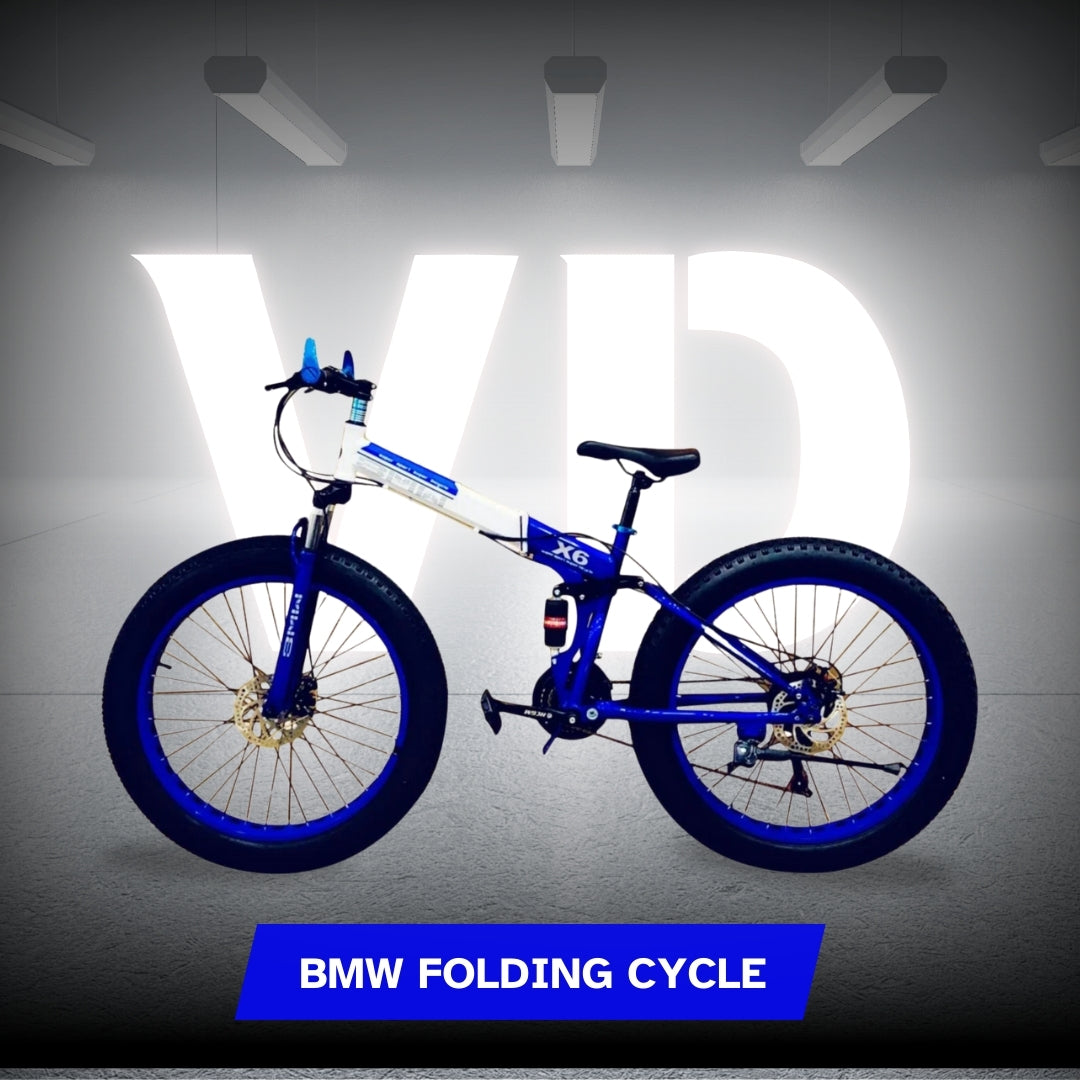
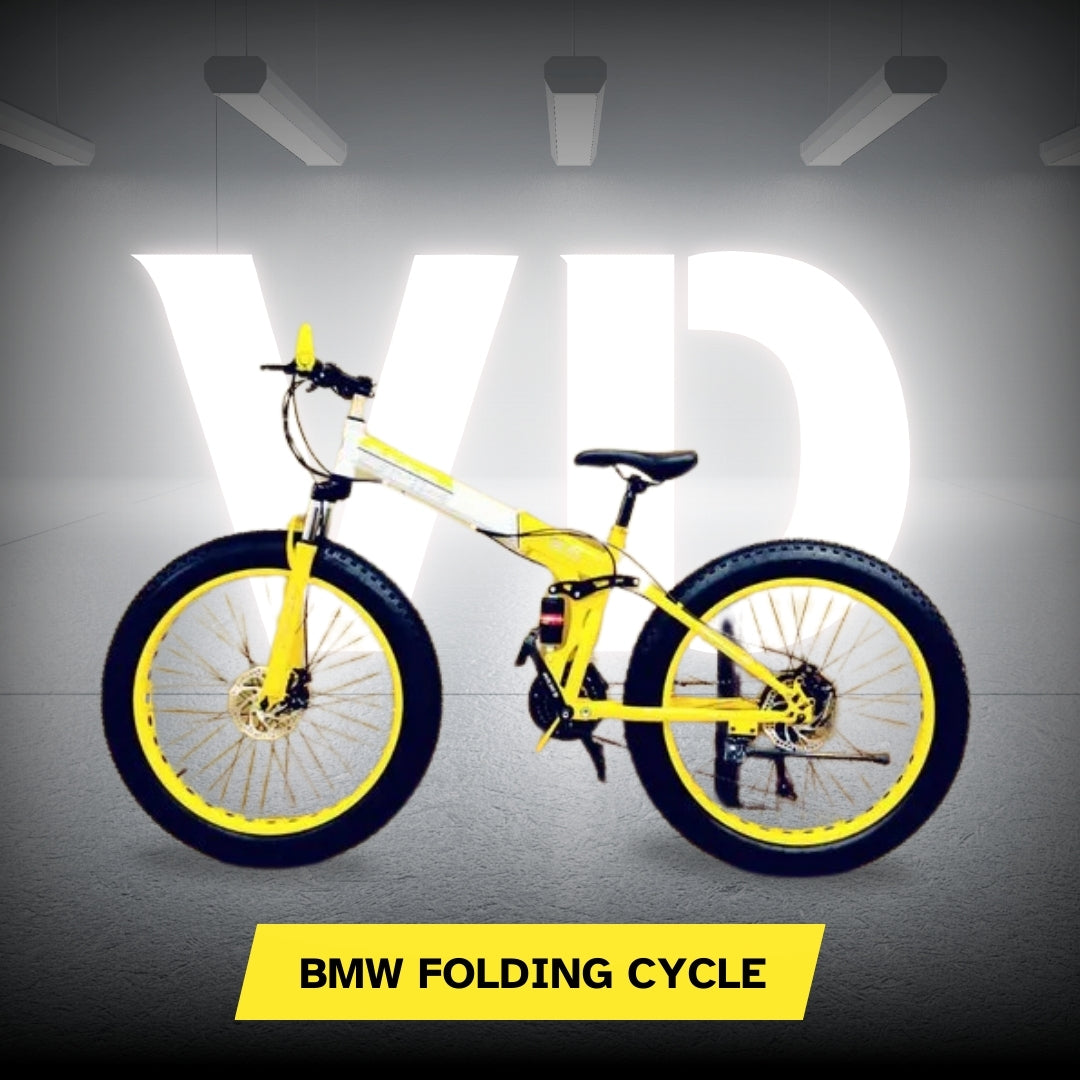
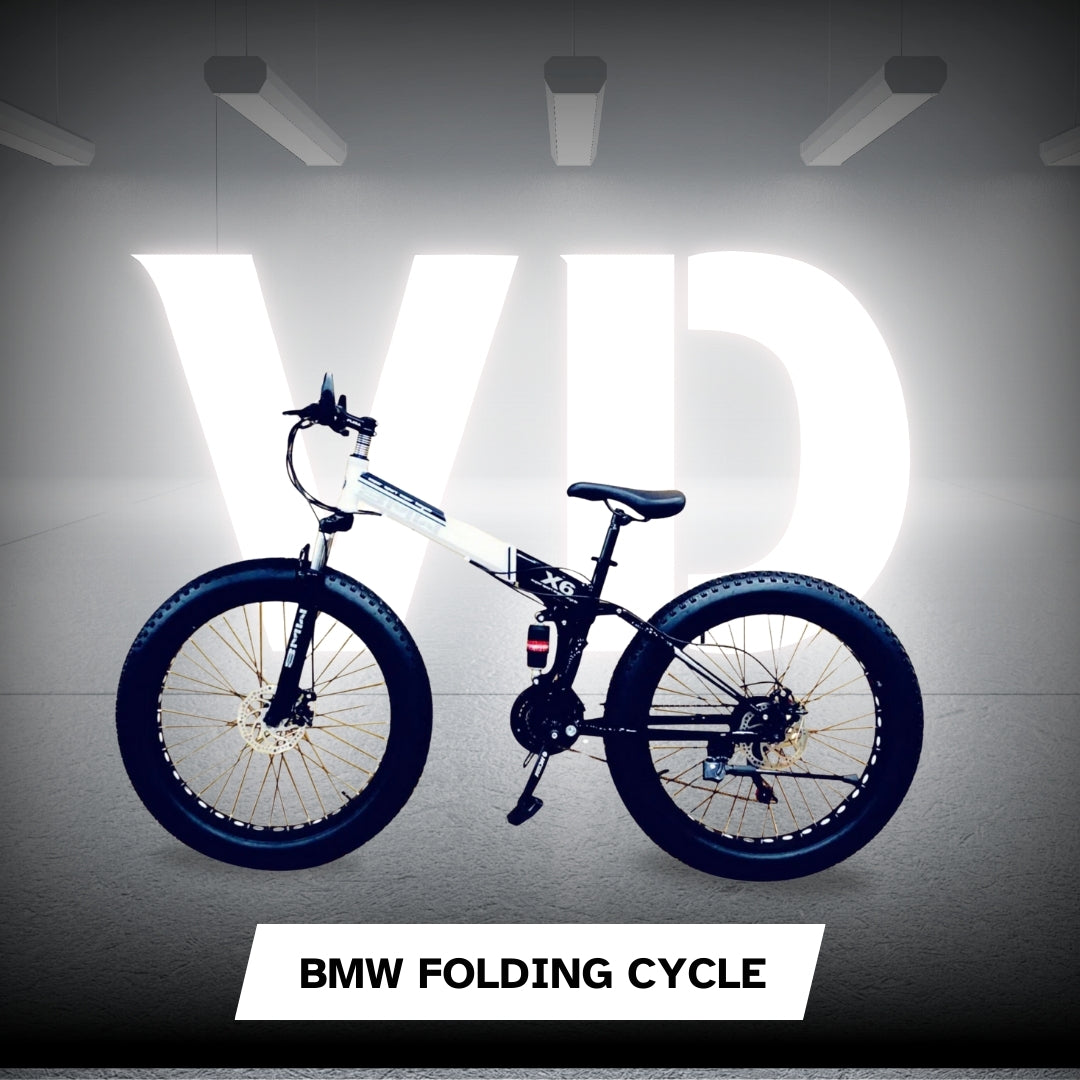
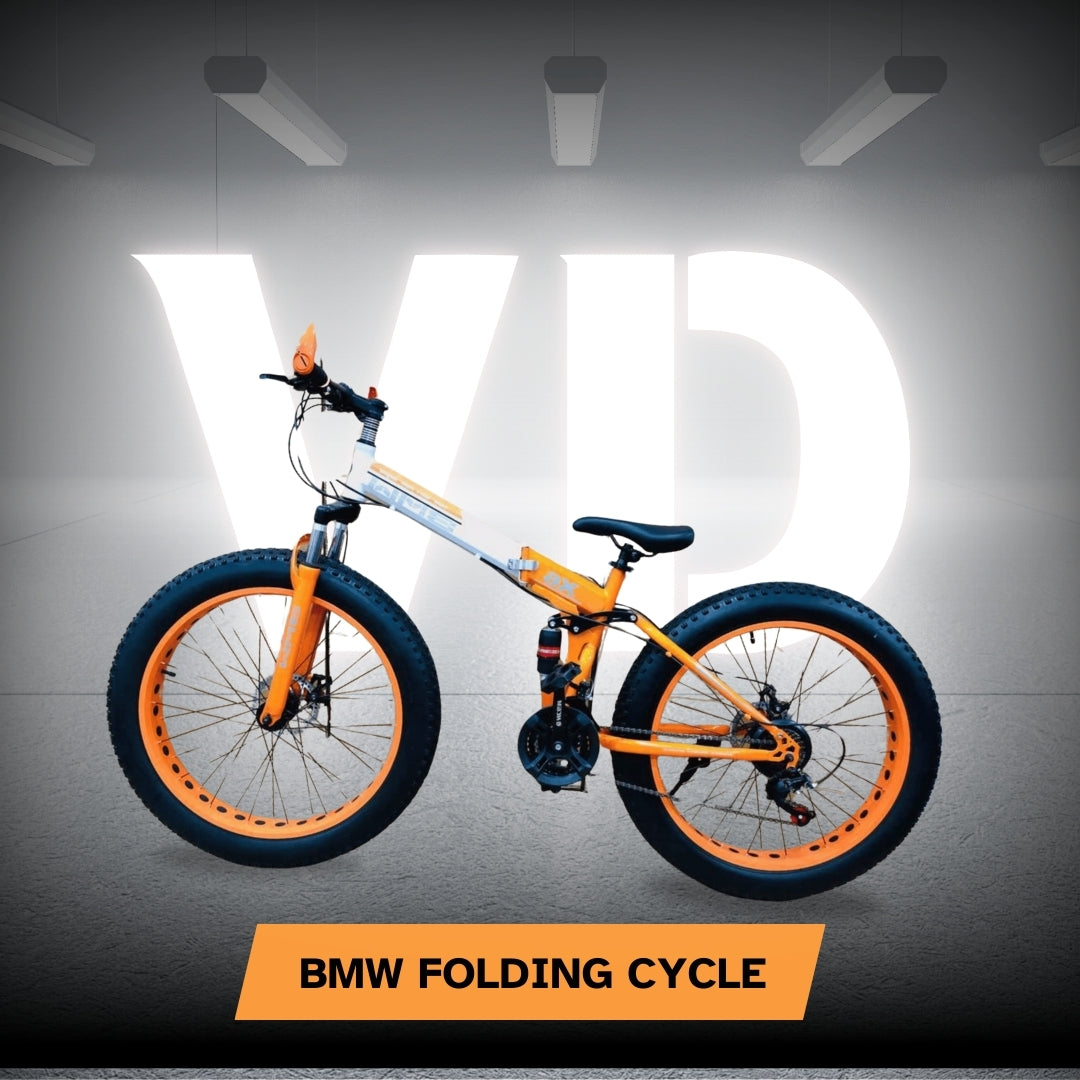
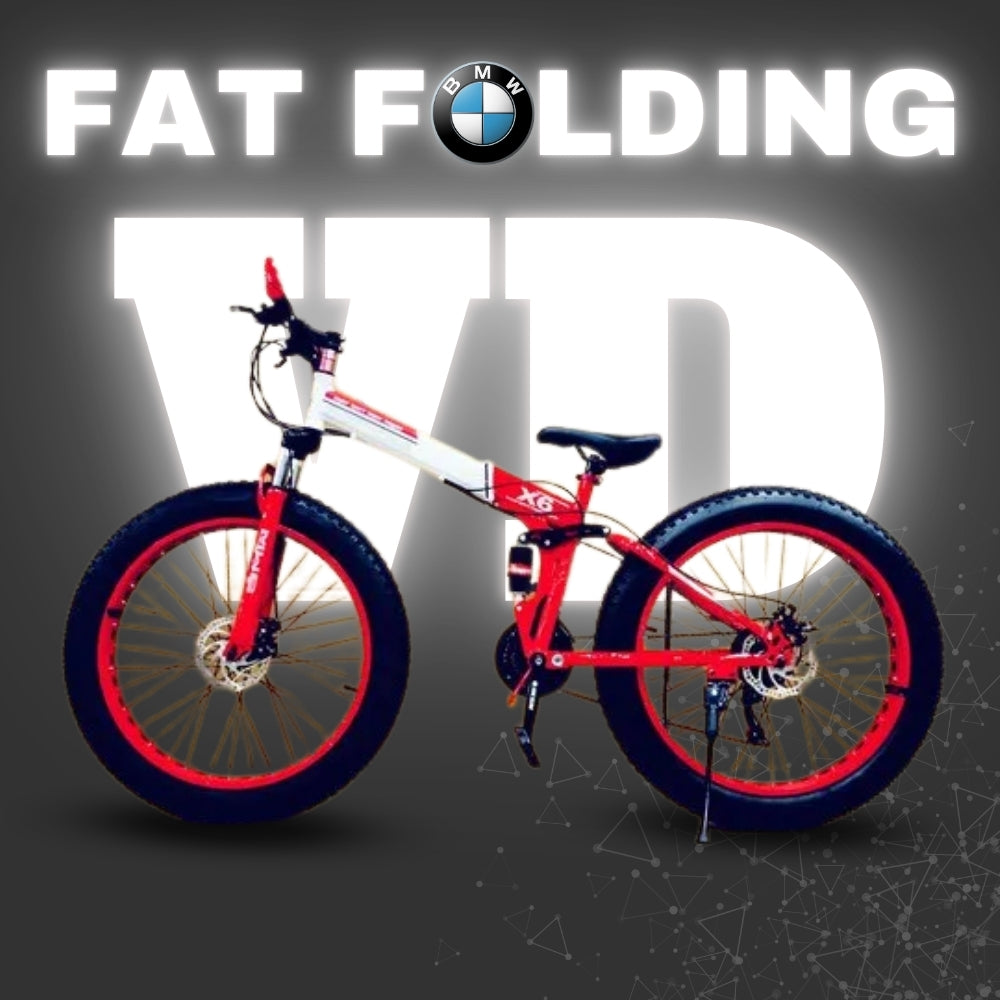
8. Does Cycling Burn More Calories on a Fat Bike?
A fat bike can require a different amount of effort depending on its tyres, surface, terrain, speed and riding conditions. Wider tyres can create a different rolling feel compared with conventional bicycle tyres.
Do not choose a fat bike solely because you expect it to burn more calories. Choose the bicycle category according to your actual riding environment and preferences.

9. Which Bicycle Is Best for Losing Belly Fat?
There is no specific bicycle that automatically produces greater belly-fat loss. The right bicycle is the one that fits your body, riding environment, budget and intended use well enough for you to ride consistently.
| Bicycle Type | Can Suit | What to Check |
|---|---|---|
| Hybrid | Roads, commuting and recreational fitness | Frame, tyres, gears and riding position |
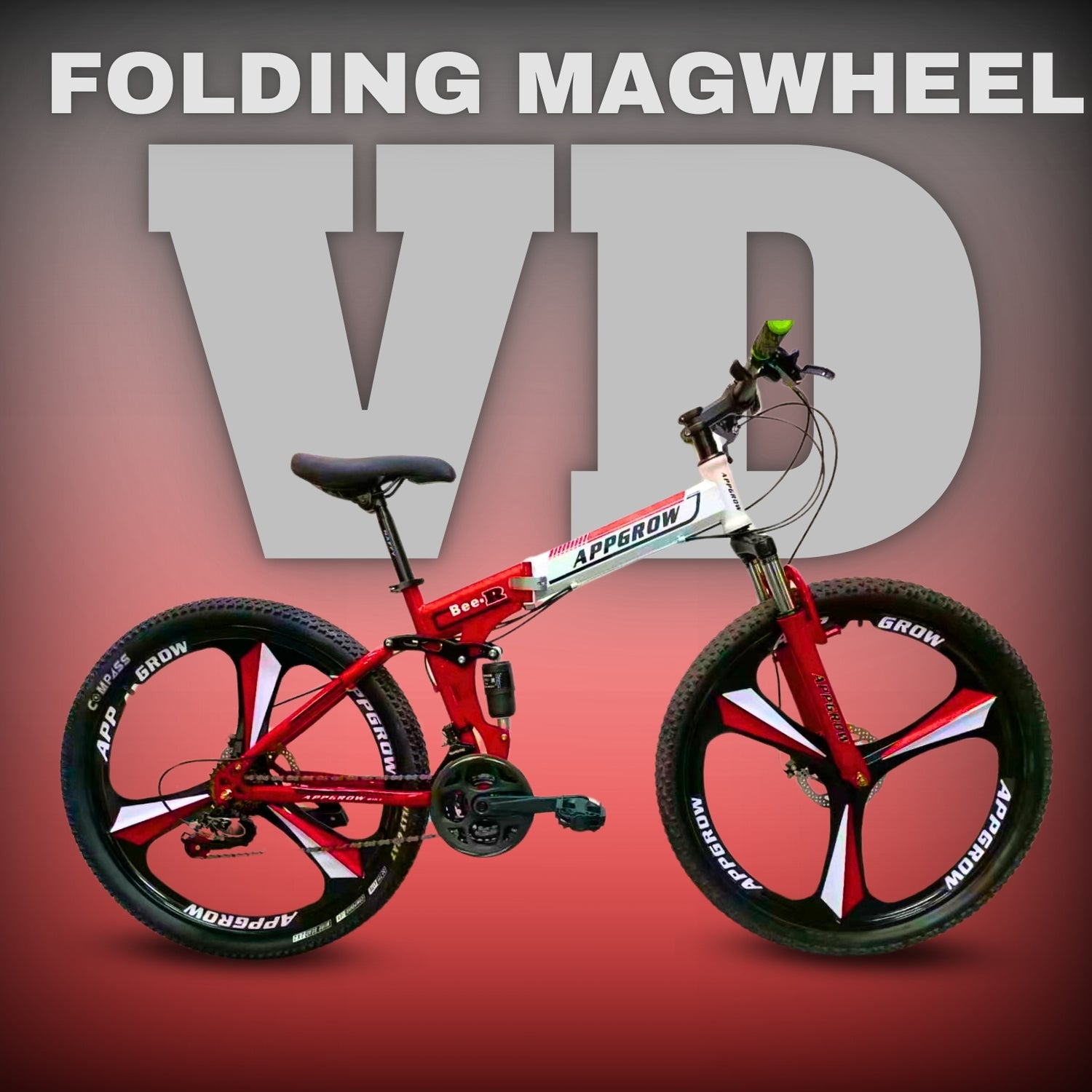
| MTB | Mixed surfaces and rougher roads or trails | Tyres, suspension, frame and brakes |
| City Bicycle | Everyday urban riding | Comfort, weight and practical features |
| 700C | Road-oriented and hybrid-style riding | Fit, tyres, gearing and riding position |
| Electric Cycle | Assisted recreational and commuting rides | Battery, motor, assistance and service |
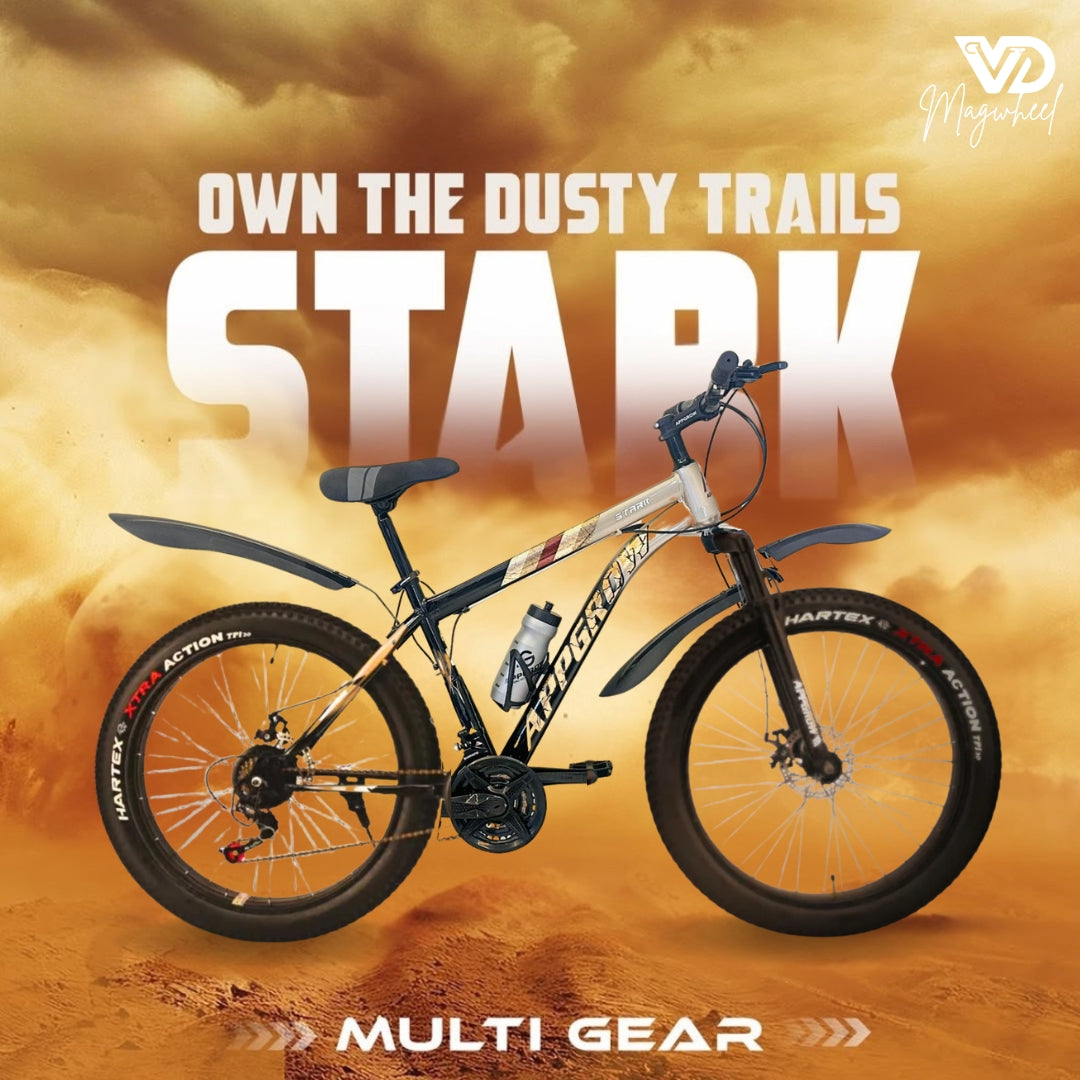
| Fat Bike | Wide-tyre recreational riding | Terrain, tyre width, weight and comfort |

Start With Fit
Correct bicycle size and a comfortable riding position are more important than choosing a bicycle simply because it looks sporty.
10. What Should You Check Before Buying a Fitness Cycle?
- Rider height: Choose the correct bicycle size.
- Frame: Make sure the riding position is comfortable.
- Wheel size: Match it to your height and bicycle category.
- Tyres: Choose according to your normal roads and terrain.
- Gears: Decide whether multiple gear ratios are useful.
- Brakes: Check the braking system and specification.
- Suspension: Consider it based on actual riding conditions.
- Weight: Consider handling, storage and transportation.
- Service: Check parts and service availability.
- Budget: Compare complete specifications rather than only price.

11. What Else Matters Besides Cycling?
Cycling is only one part of a weight-management routine. Food intake, sleep, stress, recovery and other daily activity can also affect changes in body weight and body composition.
A sustainable approach is generally more practical than relying on extreme exercise sessions or very restrictive habits.

12. How to Start Cycling for Weight Management
- Choose a bicycle that fits your height and riding purpose.
- Start with a comfortable route.
- Begin with a manageable duration.
- Keep the initial intensity appropriate for your fitness.
- Gradually increase duration or effort.
- Maintain your bicycle regularly.
- Use appropriate safety equipment.
- Allow enough recovery between demanding sessions.

13. Can Electric Cycles Help With Fitness?
Electric bicycles can still involve physical activity because the rider can pedal while receiving motor assistance. The amount of effort depends on the assistance level, terrain, duration and riding style.
If fitness is your priority, choose an assistance level that provides the support you need while allowing you to pedal comfortably.

Assistance Level Changes Effort
Higher assistance can reduce the effort required, while lower assistance can require more rider input.
14. How Many Calories Should You Burn for Belly Fat?
There is no universal number of cycling calories that guarantees belly-fat reduction. Calorie expenditure and changes in body weight depend on the complete energy balance over time.
Use a calorie calculator as an estimate rather than treating a specific calorie target as a guaranteed fat-loss result.
Use the Cycling Calories Calculator
15. Related Cycling Fitness Guides
Cycling for Weight Loss
Learn how cycling can fit into a sustainable weight-management routine.
Read the GuideCycling Calories Calculator
Estimate calories using body weight, duration and cycling intensity.
Calculate CaloriesCycling vs Walking
Compare cycling and walking for fitness and weight management.
Read the ComparisonCycling vs Running
Compare cycling and running for calories, fitness and everyday use.
Read the ComparisonMorning vs Evening Cycling
Compare practical considerations when choosing your riding time.
Read the GuideUseful Bicycle Guides
Frequently Asked Questions
Can cycling reduce belly fat?
Cycling can support overall physical activity and weight management, but it cannot specifically target fat from the belly.
How long should I cycle to lose belly fat?
There is no universal duration that guarantees belly-fat loss. Start at a manageable level and gradually build your cycling routine according to fitness and recovery.
Does cycling every day reduce belly fat?
Daily cycling can increase physical activity, but changes in body fat depend on overall energy balance and individual factors.
Is cycling better than walking for belly fat?
Both can contribute to physical activity and weight management. The more appropriate choice depends on your goals, fitness, schedule and preference.
Is cycling better than running for belly fat?
Neither specifically targets belly fat. Both can increase physical activity and energy expenditure when performed appropriately.
Which cycle is best for belly fat?
No bicycle automatically reduces belly fat. Choose a bicycle that fits your height, riding purpose, terrain, comfort and budget so you can ride consistently.
Can an electric cycle help with weight management?
Electric cycling can involve physical activity, but the effort depends on the assistance level, terrain, duration and how actively the rider pedals.
Conclusion
Cycling can be a practical way to increase physical activity and support overall weight management, but it cannot selectively burn belly fat. Consistent cycling, appropriate nutrition, recovery and an active lifestyle are more important than trying to target one specific area.
Choose a bicycle that fits your height, riding purpose, terrain, comfort and budget. A bicycle that you enjoy riding and can use consistently is more useful than choosing one based only on the expectation of faster belly-fat loss.