
























Cycling Calories Calculator: Calculate Calories Burned While Cycling
Use this cycling calories calculator to estimate how many calories you may burn during a cycling session. Enter your body weight, riding duration and cycling intensity to get an approximate result.
Calories burned while cycling depend on factors such as body weight, riding duration, cycling speed, terrain and effort. There is no single calorie number for every cyclist. This calculator provides an estimate, not an exact measurement of individual energy expenditure.

Calculate Calories Burned While Cycling
Enter Your Cycling Details
This is an estimate for educational purposes. Actual energy expenditure varies between individuals and riding conditions.
How Does the Cycling Calories Calculator Work?
Calorie estimates for physical activity commonly use a value called MET, or metabolic equivalent of task. Different cycling intensities can be represented by different MET values.
The calculator combines the selected activity intensity with body weight and duration to produce an approximate calorie estimate.

What Factors Affect Calories Burned While Cycling?
Body Weight
Body weight is one of the variables used in many calorie-estimation methods.
Duration
The amount of time spent cycling affects total energy expenditure.
Intensity
Higher-effort cycling generally requires more energy than easy riding.
Terrain
Hills, wind, road surfaces and stops can change the effort required during a ride.

Calories Are Not the Same for Every Ride
Two people can ride for the same amount of time and still use different amounts of energy. Body size, speed, terrain and effort all contribute to the difference.
Calories Burned Cycling by Intensity
| Intensity | Typical Riding Feel | What Can Affect the Result? |
|---|---|---|
| Easy / Leisurely | Comfortable pace with relatively low effort | Speed, stops, terrain and body weight |
| Moderate | Noticeable effort that can be sustained for a period | Speed, hills, wind and duration |
| Vigorous | Higher effort with increased breathing and exertion | Fitness level, terrain and cycling intensity |
| Very Vigorous | High-effort cycling | Individual fitness and actual riding conditions |

Intensity Changes Energy Expenditure
A faster or harder ride generally requires more effort, but intensity should always be appropriate for the rider's fitness level.
Does Cycling Speed Affect Calories Burned?
Cycling speed can influence the effort required, but speed alone does not provide a complete measure of energy expenditure.
Wind, hills, road surface, bicycle type, riding position and traffic can all affect the effort required to maintain a particular speed.

Does Cycling Duration Affect Calories Burned?
Yes. Duration is an important input in calorie-estimation formulas. A longer ride can result in greater total energy expenditure, although the exact amount depends on the effort and the individual.

30 Minutes vs 60 Minutes
If other conditions remain similar, spending more time cycling means more total physical activity. However, riding intensity can change substantially between sessions.
Does Body Weight Affect Cycling Calories?
Body weight is one of the variables used in many estimates of energy expenditure. This is why the same cycling session can produce different estimated calorie values for different people.

Use Your Current Weight
For a more relevant estimate, enter your current body weight rather than using someone else's calorie calculation.
Can Cycling Help With Weight Loss?
Cycling can contribute to weight management by increasing physical activity and energy expenditure. Weight change, however, is influenced by overall energy intake, activity, sleep and other lifestyle factors.
The calculator should therefore be used as a planning and educational tool rather than as a guarantee of a particular amount of weight loss.

Cycling Calories vs Other Activities
Different physical activities have different movement patterns and intensity levels. Calorie expenditure should therefore be compared using similar durations and appropriate activity-intensity estimates.
Cycling
Can range from relaxed riding to high-effort cycling depending on speed, terrain and effort.
Walking
Can range from easy walking to brisk walking and can be added easily to many daily routines.
Running
Generally involves a different movement pattern and can reach higher intensity depending on pace and fitness.
Daily Activity
Everyday movement also contributes to overall physical activity, even outside structured exercise.
Cycling for Beginners: How Long Should You Ride?
Beginners should choose a duration and intensity that feels manageable for their current fitness level. There is no requirement to begin with long or highly intense rides.
- Start with a comfortable route.
- Use an appropriately sized bicycle.
- Begin with manageable riding duration.
- Keep the initial effort comfortable.
- Increase duration gradually as fitness improves.
- Allow appropriate recovery between harder sessions.
- Use suitable safety equipment.

Which Bicycle Is Suitable for Fitness Cycling?
The right bicycle depends on where you ride, your height, riding position, terrain, comfort and budget.
| Bicycle Type | Can Suit | What to Consider |
|---|---|---|
| Hybrid | Roads, commuting and recreational fitness | Frame, tyres, riding position and gears |
| MTB | Mixed surfaces and rougher terrain | Tyres, suspension, frame and brakes |
| 700C | Road-oriented and hybrid-style riding | Fit, tyres, gearing and riding position |
| City Bicycle | Everyday urban riding | Comfort, weight and practical features |
| Electric Cycle | Assisted recreational or commuting rides | Battery, motor, assistance, range and service |

How to Choose a Fitness Bicycle
- Height: Check the correct bicycle size for your height.
- Frame: Choose a frame that provides a comfortable riding position.
- Tyres: Match tyre type and width to your roads.
- Gears: Decide whether multiple gear ratios are useful for your routes.
- Brakes: Check the brake system and specifications.
- Suspension: Consider whether your terrain actually requires it.
- Weight: Consider handling, storage and transport.
- Service: Check parts and service availability.
- Budget: Compare complete specifications rather than choosing only by price.
Does an Electric Cycle Burn Calories?
Electric bicycles can still involve physical activity, but the amount of effort depends on the bicycle's assistance level, terrain, duration and how actively the rider pedals.
Using higher assistance can reduce the physical effort required compared with riding without assistance. Therefore, electric-cycle calorie expenditure can vary significantly between rides.

Assistance Level Matters
If fitness is a priority, riders can choose an assistance level that allows them to pedal comfortably while still getting the support they need.
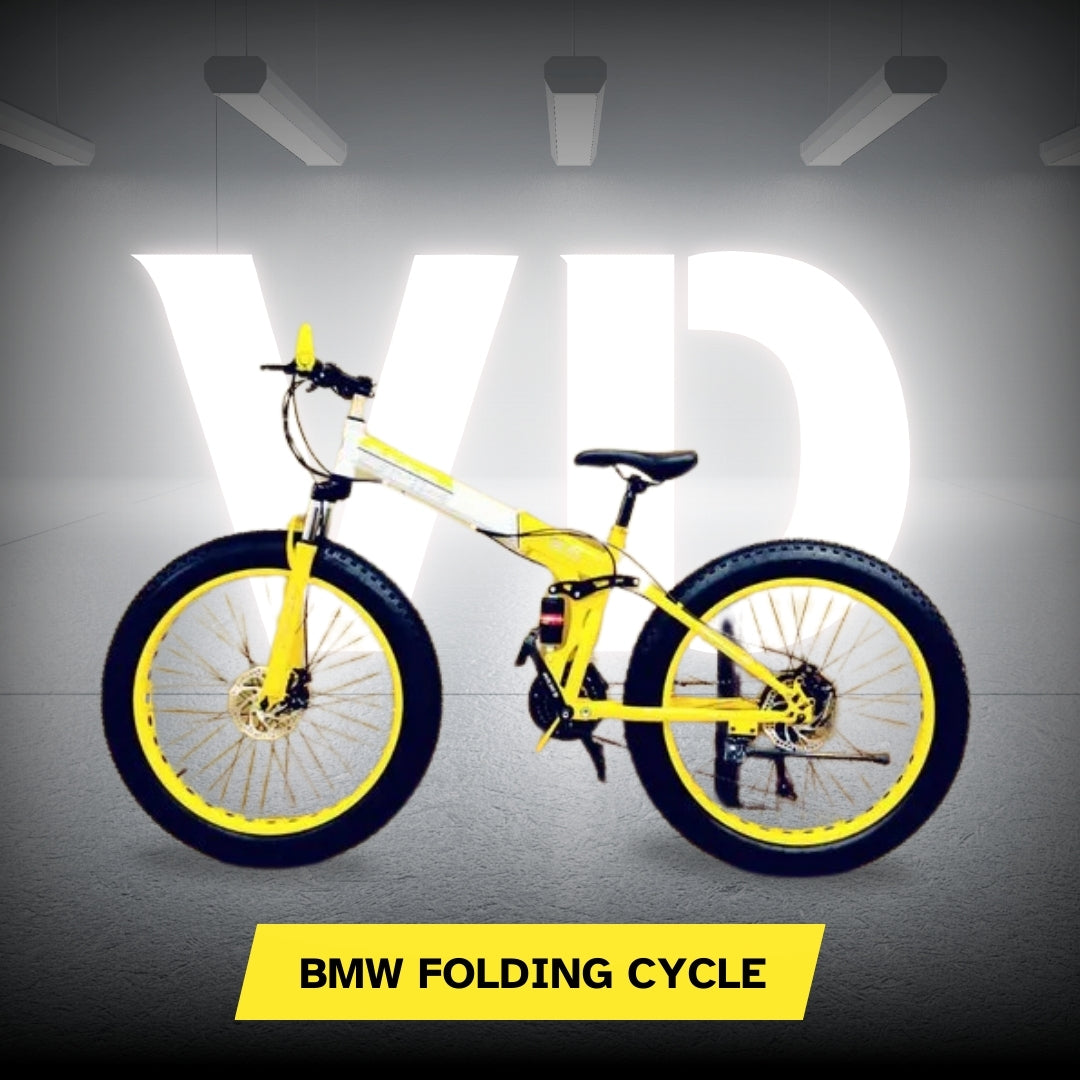
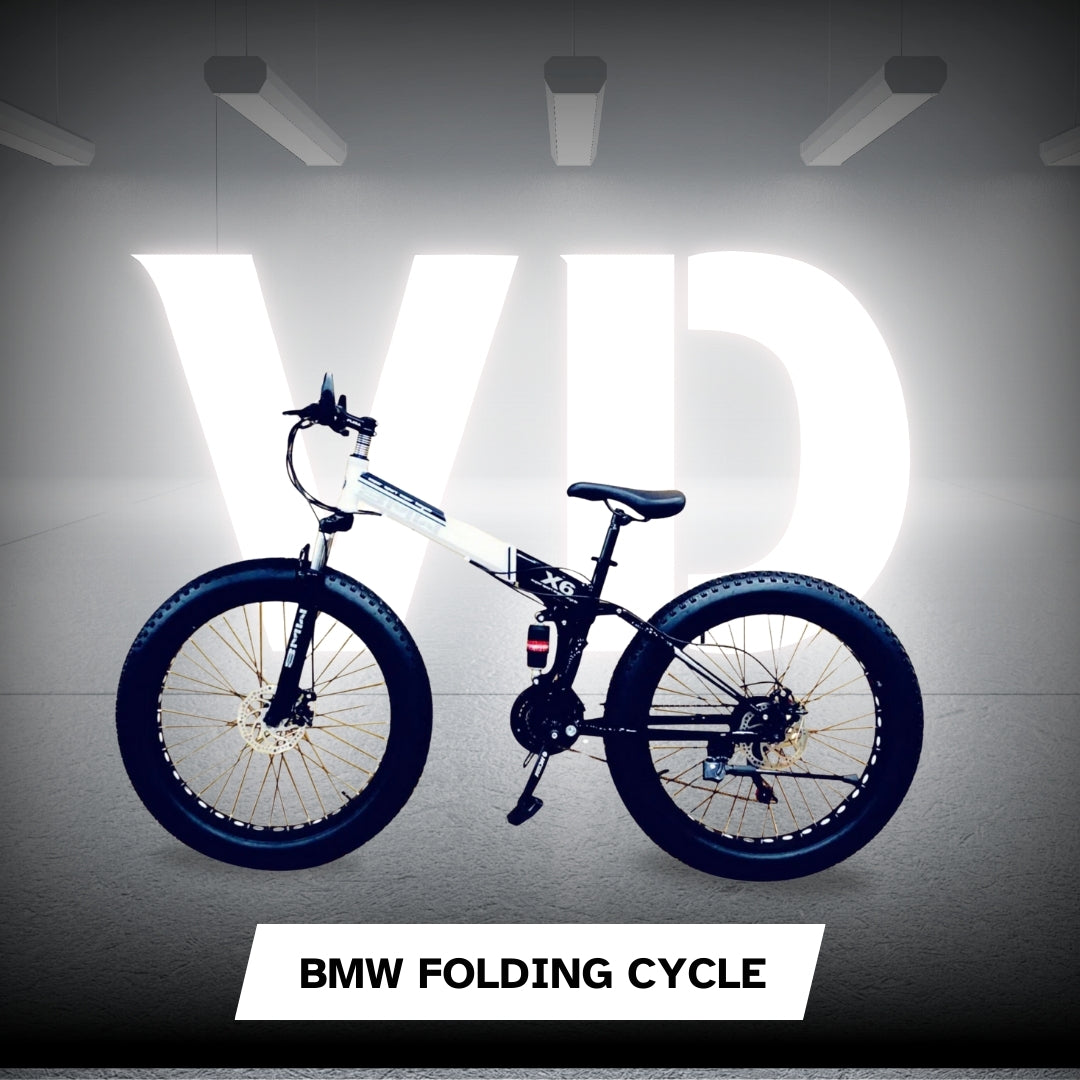
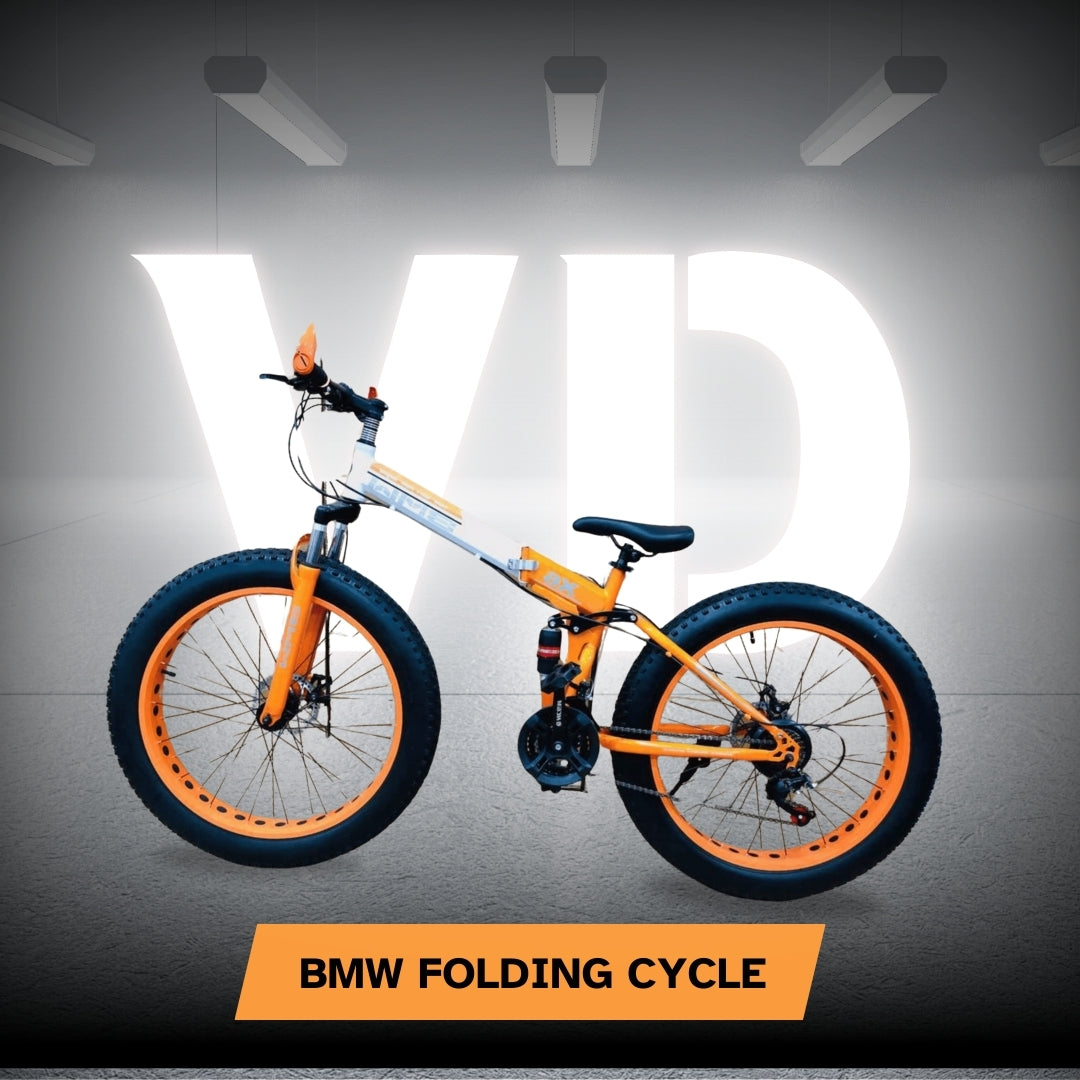
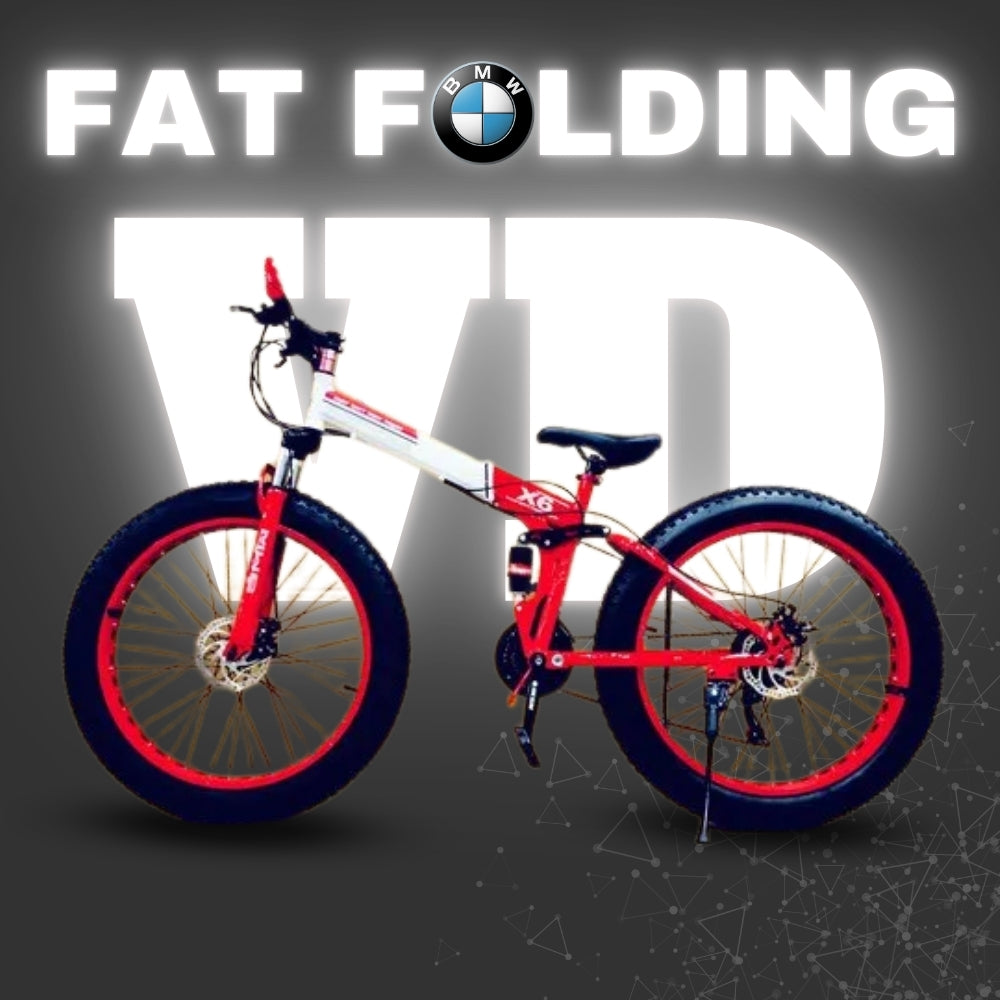
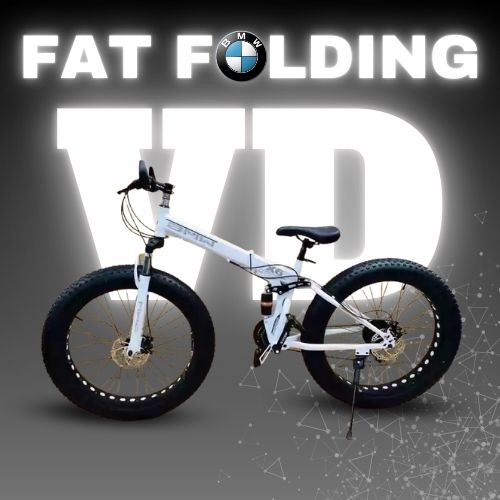
Can a Fat Bike Be Used for Fitness?
Yes, a fat bike can be used for recreational fitness riding. Its wide tyres create a different riding feel and can be useful for certain surfaces and riding preferences.
A fat bike should be selected because it suits the intended terrain and rider preference, not simply because it has wider tyres.

Consider the Riding Surface
Wider tyres can provide a different balance of traction, comfort and rolling resistance compared with conventional bicycle tyres.
How Often Should You Cycle for Fitness?
Frequency should be based on your current fitness level, schedule and recovery. Some riders prefer shorter regular rides, while others prefer fewer longer sessions.
The most useful routine is one that you can maintain consistently without causing excessive fatigue or discomfort.

How Accurate Is a Cycling Calories Calculator?
A calorie calculator provides an estimate. Actual energy expenditure can differ because people have different fitness levels, metabolic responses, cycling techniques and riding conditions.
Even when using the same inputs, a calculator should not be interpreted as a laboratory measurement of exact calorie expenditure.
How to Use This Calculator Correctly
- Enter your approximate current body weight.
- Enter the total time you actually spend cycling.
- Select the intensity that most closely matches the ride.
- Remember that hills, wind, traffic and terrain can change effort.
- Treat the result as an estimate rather than an exact measurement.

Related Cycling Fitness Guides
Cycling for Weight Loss
Learn how cycling can fit into a sustainable weight-management routine.
Read the GuideCycling vs Walking
Compare cycling and walking as practical forms of physical activity.
Read the ComparisonCycling vs Running
Understand the practical differences between cycling and running.
Read the ComparisonMorning vs Evening Cycling
Compare practical considerations when choosing your riding time.
Read the GuideUseful Bicycle Guides from VD Chawla Cycles
Frequently Asked Questions
How many calories does cycling burn?
Calories burned depend on body weight, duration, intensity, speed, terrain and other riding conditions. Use the calculator above for an approximate estimate.
Does cycling burn more calories than walking?
It depends on the duration and intensity of both activities. A direct comparison should consider similar durations and the effort involved.
Does cycling burn more calories than running?
Calorie expenditure varies with speed, intensity, duration and individual factors. Neither activity has one fixed calorie value.
Can cycling help with weight loss?
Cycling can increase physical activity and energy expenditure and may support weight management as part of an appropriate overall lifestyle.
Does cycling reduce belly fat?
Cycling cannot specifically target belly fat. It can contribute to overall physical activity and weight management.
Is cycling every day okay?
Some people can cycle every day, but the appropriate frequency and intensity depend on fitness, recovery and individual circumstances.
Is an electric cycle good for fitness?
Electric cycles can still involve pedalling and physical activity. The amount of effort depends on the assistance level, terrain and duration.
Conclusion
A cycling calories calculator can help estimate energy expenditure using body weight, duration and cycling intensity. The result should always be treated as an estimate because actual calorie expenditure varies between individuals and riding conditions.
For fitness and weight management, focus on a sustainable cycling routine, an appropriately sized bicycle, suitable riding intensity and consistent activity rather than relying on a single calorie number.