



























Cycling Every Day: Benefits, Calories, Fitness & Safety Guide
Cycling every day can be a practical way to add regular physical activity to your routine. The effect of daily cycling depends on how long you ride, how hard you ride, your current fitness, recovery and overall health.
Quick Answer
Is cycling every day good for you? Daily cycling can help you stay active, develop cardiovascular fitness and make exercise a consistent part of your lifestyle. However, cycling every day does not mean every ride should be a hard workout.
Easy everyday rides and high-intensity training place different demands on the body. Beginners should start gradually, while regular riders should balance cycling with recovery, hydration, nutrition and appropriate rest.

What Happens When You Cycle Every Day?
Cycling every day increases your regular physical activity. Depending on the duration and intensity, a daily ride can contribute to cardiovascular fitness, muscular endurance, energy expenditure and overall activity levels.
The biggest difference comes from the type of riding you do. A relaxed commute is not the same as a long-distance or high-intensity training session.

Daily Movement
Regular cycling can turn exercise into part of your normal routine instead of something that happens only occasionally.
EDUCATIONAL VISUAL: show daily cycling, cardiovascular activity, leg movement and recovery using premium editorial callout labels.
Benefits of Cycling Every Day
Regular Physical Activity
Daily cycling provides a simple way to increase movement throughout the week.
Cardiovascular Fitness
Cycling is an aerobic activity that can support cardiovascular fitness when performed consistently.
Energy Expenditure
Cycling uses energy, with expenditure varying according to body size, duration, terrain and riding intensity.
Endurance
Regular riding can help build endurance as your body adapts to repeated physical activity.

Consistency Has Value
A manageable cycling routine that you can maintain regularly can be more practical than relying only on occasional demanding workouts.
How Long Should You Cycle Every Day?
There is no single daily cycling duration that works for everyone. Your ideal ride depends on your age, fitness, experience, schedule, health and cycling intensity.
If you are new to cycling, begin with a comfortable duration and gradually increase the amount of riding as your fitness develops.
| Riding Approach | Typical Purpose | General Consideration |
|---|---|---|
| Short Easy Ride | Daily movement and light activity | Can be easier to fit into a busy routine |
| Moderate Ride | Fitness and endurance | Requires more effort and recovery |
| Long Ride | Endurance and recreational cycling | Requires more planning, hydration and recovery |
| High-Intensity Ride | Structured performance training | Should not automatically be performed every day |

Choose a Sustainable Duration
The right duration is one that fits your current fitness and allows you to recover properly. You can gradually increase riding time instead of making a large jump immediately.
Can You Cycle Every Day for Weight Loss?
Cycling uses energy and can contribute to an active lifestyle, which may support weight-management goals. However, changes in body weight depend on overall energy intake, physical activity and other lifestyle factors.
Daily cycling should therefore be viewed as one part of a broader approach rather than a guaranteed method of weight loss.

How Many Calories Does Daily Cycling Burn?
Calories burned while cycling vary from person to person. Body weight, cycling speed, duration, terrain, wind, bicycle type and effort can all affect energy expenditure.
A calorie calculator can provide an estimate, but it should not be treated as an exact measurement of an individual's calorie expenditure.
Factors That Affect Cycling Calories
- Body weight
- Riding duration
- Cycling intensity
- Terrain and elevation
- Wind and weather
- Bicycle type
- Rider fitness and efficiency

Calories Are an Estimate
Two people can complete the same ride and expend different amounts of energy. Use calorie estimates as a general reference rather than an exact number.
Is Cycling Every Day Good for Fitness?
Cycling can be an effective way to build regular aerobic activity. Fitness improvements depend on the consistency, duration and intensity of your rides as well as adequate recovery.
If every ride is extremely easy, the fitness stimulus may differ from a structured training routine. If every ride is extremely hard, recovery can become more important.

Easy Cycling vs Hard Cycling Every Day
| Feature | Easy Daily Cycling | Hard Daily Training |
|---|---|---|
| Effort | Low to comfortable | High |
| Recovery Demand | Generally lower | Generally higher |
| Typical Purpose | Daily movement and active lifestyle | Structured fitness or performance training |
| Beginner Friendly | Often easier to start with | Requires greater fitness and appropriate progression |

Every Day Does Not Mean Maximum Effort
A daily cycling routine can include different levels of effort. Recovery rides and easy rides can be very different from demanding training sessions.
Does Cycling Every Day Build Leg Strength?
Cycling repeatedly uses the muscles involved in pedalling, including the muscles of the legs. The physical demand varies according to resistance, terrain, cadence, riding position and intensity.
Cycling is primarily an endurance-oriented activity. It should not automatically be considered a replacement for dedicated strength training when strength development is the main goal.

Recovery When Cycling Every Day
Recovery becomes increasingly important as ride duration and intensity increase. Your routine should allow enough time for your body to adapt to the workload.
Sleep
Adequate sleep supports general recovery and overall wellbeing.
Hydration
Drink appropriately for your activity level, weather and individual needs.
Nutrition
A balanced diet supports the energy requirements of an active lifestyle.
Rest
Easier days or rest can be useful when the overall training load becomes demanding.

Recovery Is Part of Training
Increasing cycling without considering recovery can make it harder to maintain a consistent routine. Balance activity with appropriate rest.
Best Time to Cycle Every Day
The best time for daily cycling is often the time that fits your schedule, weather conditions and personal preference.
| Time | Potential Advantage | Things to Consider |
|---|---|---|
| Morning | Can establish an active start to the day | Consider visibility, traffic and weather |
| Afternoon | Can fit into a daytime schedule | Heat can be important in warmer climates |
| Evening | Convenient for people with daytime commitments | Use appropriate lights and visibility equipment |

Daily Cycling in Indian Weather
Weather can significantly affect everyday cycling. Hot conditions, strong sunlight, rain, humidity and poor visibility can all change how comfortable and safe a ride feels.
During hot weather, choose suitable riding times, carry water and avoid unnecessarily demanding rides in extreme heat.

Plan Around Conditions
A flexible routine can make daily cycling more practical. If weather or road conditions become unsuitable, adjust the route, timing or intensity.
Which Bicycle Is Good for Daily Cycling?
The right bicycle depends on where you ride, your body size, comfort requirements and intended use. Daily riders should prioritize fit, reliability, comfort and suitability for their roads.
| Bicycle Type | Common Daily Use | Key Considerations |
|---|---|---|
| City Bike | Urban commuting and everyday rides | Comfort, practicality and easy handling |
| Hybrid | Fitness, commuting and mixed road use | Tyres, riding position and comfort |
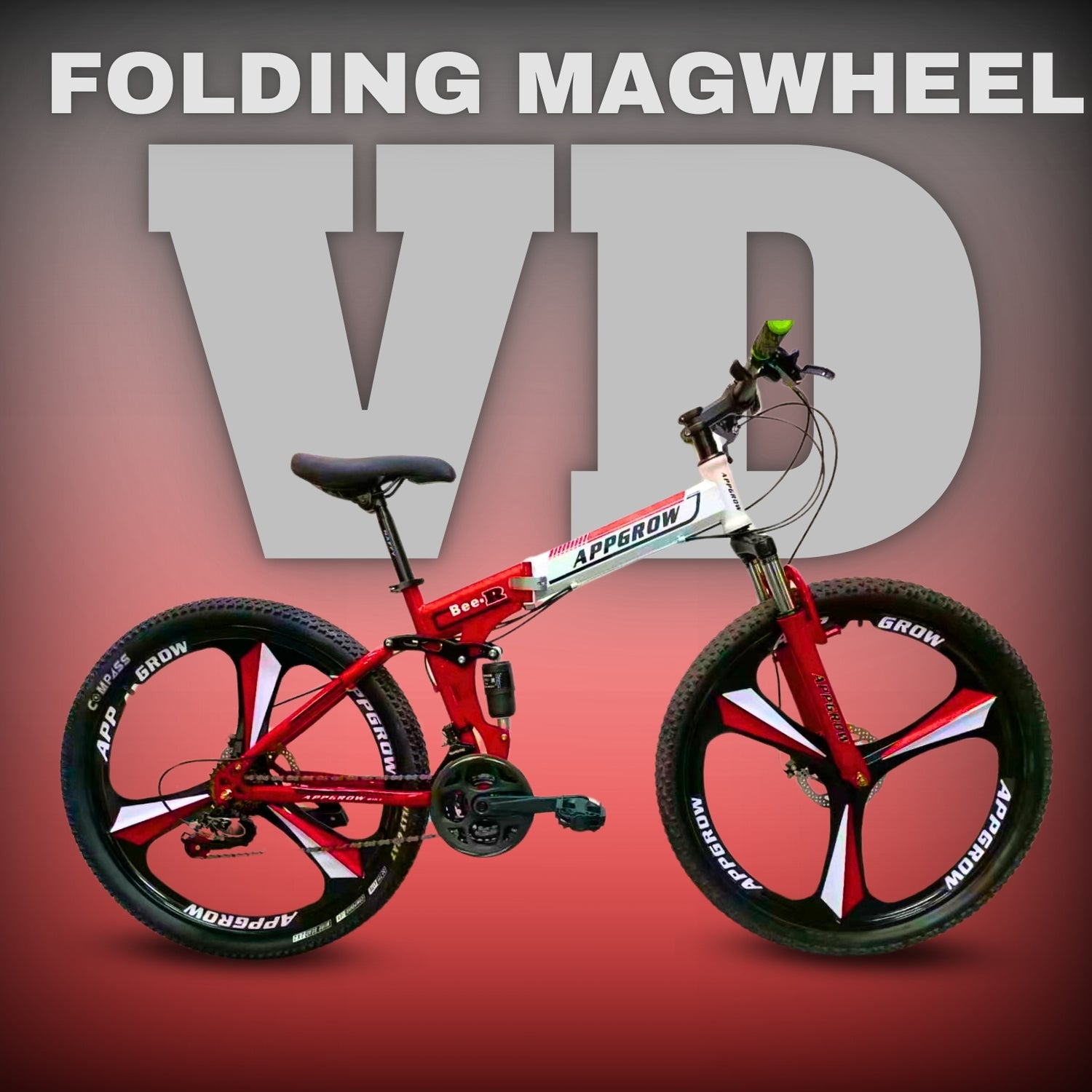
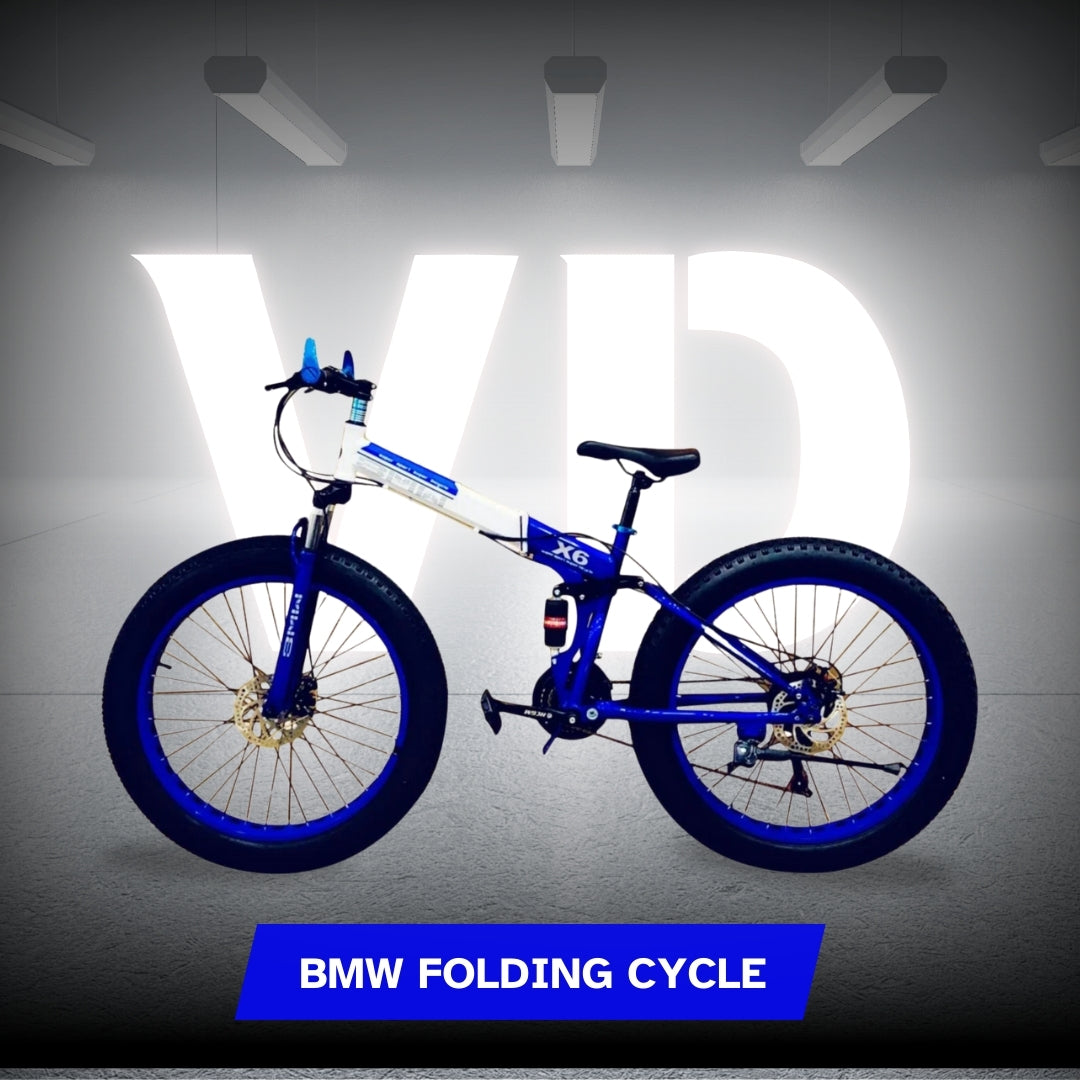
| MTB | Rough roads and mixed surfaces | Tyres, suspension and riding position |
| Road Bike | Road-focused fitness riding | Riding position, tyres and road quality |
| Electric Cycle | Assisted commuting and everyday riding | Battery, motor, range and charging |

Why Bicycle Fit Matters for Everyday Riding
A bicycle that fits correctly is easier to control and can make regular riding more comfortable. Consider your height, wheel size, frame size, saddle height and handlebar position before buying.
More gears or extra components do not automatically make a bicycle better for everyday use. Start with correct sizing and a bicycle category that matches your route.

Fit Before Features
Correct bicycle sizing and a comfortable riding position should be considered before focusing on additional specifications.
Daily Cycling Safety Checklist
- Wear a properly fitted helmet.
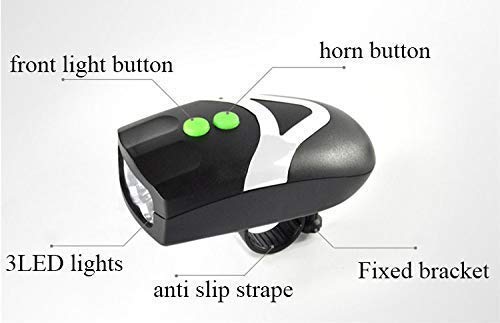
- Use lights when riding in low-light conditions.
- Choose routes appropriate for your experience.
- Check tyres and brakes before longer rides.
- Carry water when appropriate.
- Follow traffic rules and remain aware of surrounding vehicles.
- Adjust riding intensity according to weather and fitness.
- Do not ignore unusual or concerning symptoms.

Simple Daily Cycling Routine for Beginners
- Choose a correctly sized and comfortable bicycle.
- Start with an easy cycling pace.
- Ride for a manageable duration.
- Repeat the routine consistently.
- Increase duration gradually as your fitness improves.
- Keep some rides easier when your body needs recovery.
- Stay hydrated and adjust for weather conditions.
- Use safety equipment and choose suitable routes.

Who Should Be Careful About Cycling Every Day?
People with existing medical conditions, significant injuries or specific exercise restrictions may need individualized guidance before beginning or increasing a daily cycling routine.
If exercise causes unusual symptoms such as chest pain, fainting, severe breathlessness or another concerning symptom, stop the activity and seek appropriate medical attention.
Cycling Every Day: Key Takeaways
- Daily cycling can increase regular physical activity.
- Cycling can support cardiovascular fitness and endurance.
- Calories burned vary according to the individual and riding conditions.
- Daily cycling does not mean every ride should be intense.
- Gradual progression is more practical for beginners.
- Recovery becomes increasingly important as intensity and duration increase.
- Correct bicycle fit can make everyday riding more comfortable.
- Weather and road conditions should influence daily riding plans.
- Safety equipment and appropriate routes are important for regular cycling.

Frequently Asked Questions
Is cycling every day good for you?
Daily cycling can be a practical way to stay physically active and support cardiovascular fitness. The appropriate amount depends on your fitness, health, riding intensity and recovery.
Can I cycle every day for weight loss?
Daily cycling increases physical activity and uses energy, which can contribute to weight-management goals. Weight change also depends on overall food intake, activity and other lifestyle factors.
How long should I cycle every day?
There is no universal duration. Beginners should start with manageable rides and gradually increase their activity according to their fitness and circumstances.
Can I cycle every day without rest?
Easy cycling and demanding cycling place different loads on the body. If your rides are long or intense, adequate recovery and easier days can become important.
Does cycling every day build stamina?
Consistent cycling can help develop endurance as the body adapts to regular aerobic activity. Progress depends on the frequency, duration and intensity of riding.
Is cycling every day good for beginners?
Beginners can include cycling regularly, but starting gradually is important. A comfortable routine is generally easier to maintain than immediately attempting long or intense rides.
Useful Bicycle & Fitness Guides
Conclusion
Cycling every day can be an effective way to make physical activity part of your regular lifestyle. The key is to match cycling duration and intensity with your current fitness, riding goals and ability to recover.
Start gradually, choose a comfortable bicycle, maintain good riding habits and adjust your routine according to weather, road conditions and how your body responds.
This article is for general educational information about cycling and fitness. It is not a substitute for individualized medical advice, diagnosis or treatment.