




















Kids Geared vs Non-Geared Cycle: Complete Comparison & Buying Guide
Choosing between a geared and non-geared cycle depends on the child's riding ability, bicycle size, intended use and comfort with bicycle controls. Gears are not automatically necessary for every child, and a non-geared cycle is not automatically better for every rider.

What Is a Geared Kids Cycle?
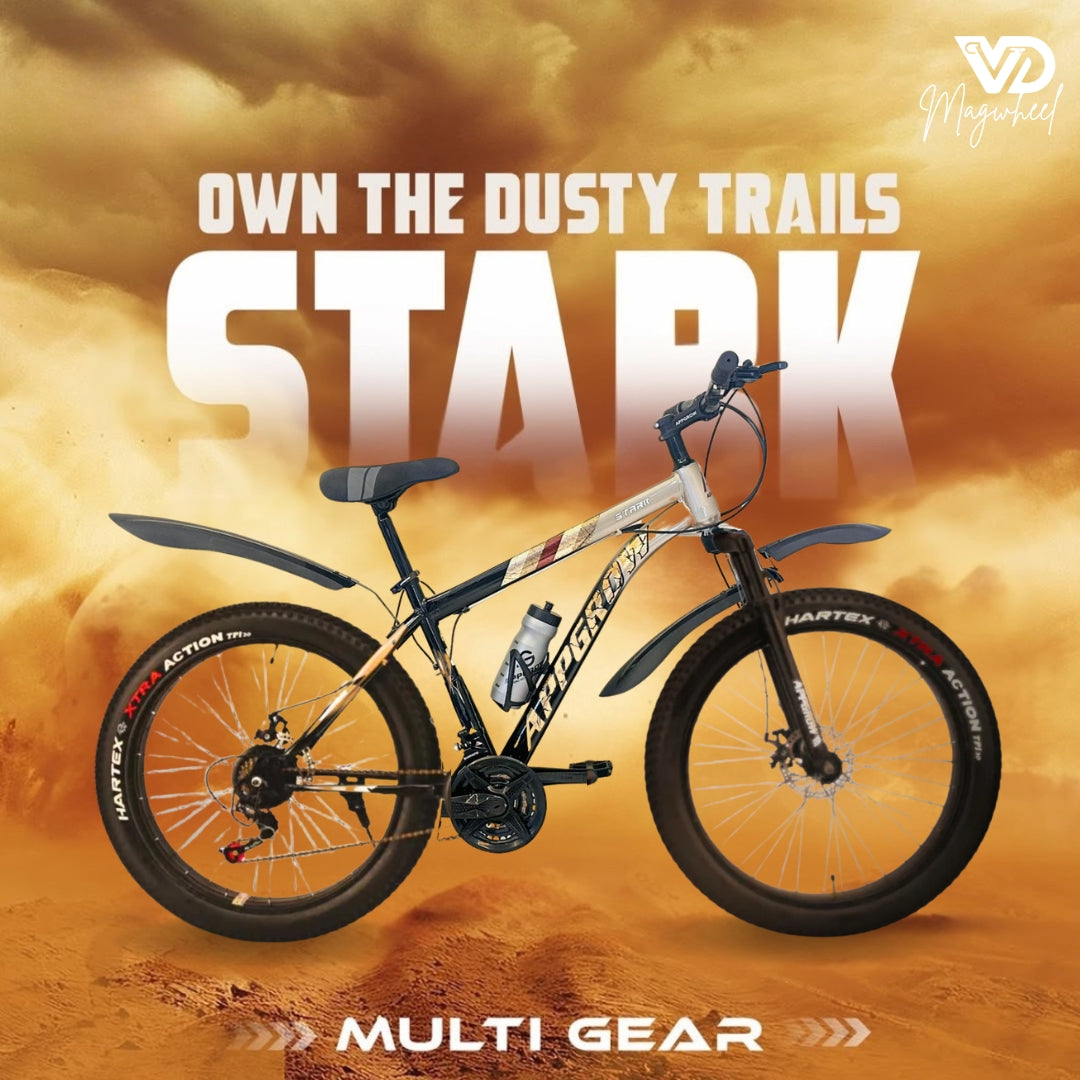
A geared kids cycle uses a drivetrain with multiple gear ratios. The rider can change gears to adjust the relationship between pedalling effort and bicycle speed.
Depending on the bicycle, gears may be operated using a shifter mounted on the handlebar. The exact number of gears and shifting system varies between models.

What Is a Non-Geared Kids Cycle?
A non-geared kids cycle uses a simpler drivetrain without multiple selectable gear ratios. The rider generally pedals using a single drivetrain ratio.
This simpler setup can be easier for a beginner to understand because there are fewer controls to operate.

Kids Geared vs Non-Geared Cycle: Quick Comparison
| Feature | Geared Cycle | Non-Geared Cycle |
|---|---|---|
| Gears | Multiple gear ratios | Single drivetrain ratio |
| Controls | Includes gear-shifting controls | Fewer controls |
| Learning | Requires learning gear shifting | Generally simpler to understand |
| Riding conditions | Can be useful for varied terrain | Suitable for straightforward riding |
| Maintenance | More drivetrain and shifting components to maintain | Simpler drivetrain configuration |
| Gear adjustment | Rider changes gears as needed | No gear shifting required |
| Best fit | Confident riders who can operate the controls | Beginners or riders who prefer simplicity |

How Do Gears Help a Child?
Gears allow the rider to select different ratios for different riding conditions. A lower gear can make pedalling easier at lower speeds or on an incline, while a higher gear can be used for faster riding when appropriate.
However, the child needs to understand when and how to change gears. Having more gears does not automatically make a bicycle more suitable for a particular child.
When Is a Non-Geared Cycle Useful?
A non-geared cycle can be useful when simplicity is the main priority. A child learning basic cycling may benefit from having fewer controls to think about while developing steering, pedalling and braking skills.
- Beginner riders.
- Children who prefer simple controls.
- Basic recreational riding.
- Riding in relatively straightforward terrain.
- Parents looking for a simpler drivetrain configuration.
When Is a Geared Cycle Useful?
A geared cycle can be considered when a child already has good bicycle control and can comfortably operate the shifting system.
- Confident young riders.
- Riding on varied terrain.
- Routes with inclines or changing gradients.
- Children who understand gear shifting.
- Riders who want to learn more advanced bicycle controls.

Geared vs Non-Geared Cycle for Beginners
For a child who is still learning the basics of cycling, simplicity can be useful. The child first needs to develop comfortable control of steering, pedalling and braking.
If the child already rides confidently and can manage additional controls, a geared bicycle may be considered.
Does a Geared Kids Cycle Need More Maintenance?
A geared bicycle generally has additional drivetrain and shifting components compared with a simple non-geared setup. These components need to remain correctly adjusted and maintained.
A non-geared bicycle has a simpler drivetrain configuration, which can make routine maintenance more straightforward. Maintenance requirements still depend on the bicycle's exact components and how it is used.

Geared vs Non-Geared Cycle: Which Is Easier to Use?
A non-geared bicycle generally requires fewer controls because the rider does not need to select gears. A geared bicycle requires the child to learn when and how to shift.
For a confident child, gear shifting can become a useful cycling skill. For a beginner, learning too many controls at once may be unnecessary.
What Age Is Suitable for a Geared Kids Cycle?
There is no universal age at which a child should move to a geared bicycle. Age alone does not determine whether a child can safely and comfortably operate gears.
Consider:
- Riding experience.
- Balance and steering control.
- Ability to use brakes.
- Ability to understand gear-shifting controls.
- Height and bicycle fit.
- Intended riding environment.
What Bicycle Size Should You Choose First?
Before deciding between gears and no gears, choose the correct bicycle size. The bicycle should match the child's height, inseam, reach and riding ability.

| Size Factor | What Parents Should Check |
|---|---|
| Wheel size | Compare with the child's height and the specific model. |
| Frame fit | Check frame geometry and stand-over clearance. |
| Saddle | Check adjustment and comfortable pedalling position. |
| Handlebar | Check comfortable reach. |
| Brake levers | Child should be able to reach and operate them. |
| Weight | Child should be able to control and manoeuvre the bicycle. |
Kids Geared Cycle: What Should You Check?
- Correct bicycle size.
- Easy-to-reach shifter.
- Simple and understandable gear controls.
- Correctly functioning brakes.
- Properly adjusted drivetrain.
- Suitable gear range for intended riding.
- Comfortable riding position.
- Overall bicycle weight.

Kids Non-Geared Cycle: What Should You Check?
- Correct bicycle size.
- Comfortable saddle position.
- Easy-to-reach handlebars.
- Working brakes.
- Suitable tyres.
- Secure pedals and wheels.
- Manageable bicycle weight.
- Simple and reliable drivetrain setup.
Geared vs Non-Geared for City Riding
For basic city and recreational riding, either setup can be appropriate depending on the child's ability and the bicycle's design.
A geared cycle can provide additional ratios when the route includes changing gradients. A non-geared cycle can be simpler when the child mainly rides on relatively straightforward routes.
Geared vs Non-Geared for Hills and Inclines
Gears can provide additional options for managing changes in gradient. A lower gear can reduce the pedalling effort required at slower speeds.
However, the child must understand how to use the gears. Bicycle fit, rider ability and safe control remain important.

Do Kids Need Many Gears?
Not necessarily. A large number of gears is not automatically required for a child. The useful gear range depends on the bicycle and the riding conditions.
Parents should consider whether the child can comfortably understand and operate the shifting system rather than selecting a bicycle based only on the number of gears.
Does Gear Count Make a Kids Cycle Better?
Gear count alone does not determine whether a bicycle is suitable for a child. A correctly fitted bicycle with controls the child can understand is more important than simply having a higher number of gears.
Kids Geared vs Non-Geared Cycle: Maintenance Comparison
| Maintenance Area | Geared | Non-Geared |
|---|---|---|
| Chain | Requires regular inspection and care | Requires regular inspection and care |
| Shifter | Present | Not required |
| Derailleur/gear mechanism | May be present depending on bicycle | Not required in a simple single-ratio setup |
| Gear adjustment | May require adjustment | Not applicable |
| Overall drivetrain complexity | Generally higher | Generally simpler |
Kids Bicycle Safety
Whether the bicycle has gears or not, basic safety requirements remain important.
- Use a properly fitted bicycle helmet.
- Choose the correct bicycle size.
- Check brakes before riding.
- Check tyre pressure and tyre condition.
- Check wheels and pedals.
- Use appropriate supervision for young riders.
- Teach children basic steering and braking.
- Practise in an environment appropriate for the child's ability.

Geared vs Non-Geared Kids Cycle: Decision Checklist
- Is the bicycle the correct size?
- Can the child comfortably reach the pedals?
- Can the child reach and operate the brakes?
- Can the child confidently steer?
- Does the child already ride independently?
- Can the child understand gear-shifting controls?
- Will the bicycle be used on varied terrain?
- Would a simpler drivetrain be easier for the child?
- Is the bicycle weight manageable?
- Are the brakes, tyres, wheels and drivetrain in good condition?
How to Choose Between Geared and Non-Geared
Use the following approach:
| If the Child... | Consider |
|---|---|
| Is learning basic cycling | Simple non-geared setup may be easier to understand. |
| Already rides confidently | Either setup can be considered based on intended use. |
| Rides varied terrain | A geared bicycle may provide useful gear options. |
| Finds gear controls confusing | A simpler non-geared bicycle may be easier to operate. |
| Has grown into a larger bicycle category | Compare both options based on fit and riding ability. |
Final Kids Cycle Buying Checklist
- Measure height.
- Check inseam.
- Select an appropriate wheel-size category.
- Check the exact frame size.
- Check saddle and handlebar position.
- Check brake-lever reach.
- Consider the child's riding experience.
- Decide whether training wheels are appropriate.
- Compare geared and non-geared options.
- Consider maintenance requirements.
- Check bicycle weight.
- Check brakes, tyres, wheels and drivetrain.
- Choose a properly fitted helmet.
- Consider where the child will ride.
- If possible, allow the child to test the bicycle before purchase.
Frequently Asked Questions
There is no universal choice. A non-geared cycle can be simpler for beginners, while a geared cycle can suit a confident rider who can operate the controls and may benefit from different gear ratios.
They introduce additional controls because the rider needs to understand gear shifting. Whether this is difficult depends on the child's riding experience and ability.
Not every child needs gears. Consider the child's riding environment, experience and ability before choosing a geared bicycle.
A simple non-geared drivetrain generally has fewer shifting components than a geared setup, although all bicycles require regular inspection and maintenance.
There is no universal age. Height, bicycle fit, riding ability and the child's ability to understand and operate the controls are more useful considerations.
A geared bicycle can have additional drivetrain and shifting components that require inspection and adjustment. Exact maintenance needs depend on the bicycle's components and use.
They solve different needs. Training wheels provide additional side support for some beginners, while gears provide different drivetrain ratios. Bicycle fit and riding ability should be considered first.
Prioritize correct size and fit, comfortable control, suitable bicycle weight, working brakes, appropriate tyres and the child's riding ability. Gear count should come after these factors.