



















26T Cycle Guide: Size, Age, Height & Complete Buying Guide
A 26T cycle is a widely used bicycle size for older children, teenagers and smaller riders, depending on the bicycle type and frame geometry. It is larger than 20T and 24T cycles and is available in different designs, including mountain bikes and city bicycles.

What Is a 26T Cycle?
A 26T cycle is a bicycle using a 26-inch-class wheel size. Compared with smaller 20T and 24T cycles, it has a larger wheel platform and is commonly available in bicycles designed for older children, teenagers and some smaller adults.
The wheel size alone does not determine whether a bicycle fits. Frame size, top-tube design, saddle height, handlebar reach and the intended bicycle category also affect rider fit.


Who Can Use a 26T Cycle?
A 26T bicycle may suit an older child, teenager or smaller rider who can comfortably reach the pedals, handlebars and brake controls. Always check the rider's measurements against the specific bicycle model.

Before choosing a cycle, check the following:
- Rider height and inseam length.
- Stand-over clearance.
- Handlebar reach and riding posture.
- Saddle adjustment range.
- Brake-lever accessibility.
- Riding experience and bicycle control.
26T Cycle Size by Age
Age should only be used as a broad reference when choosing a bicycle. Children and teenagers of the same age can have very different heights and proportions.
A rider may move from a 24T bicycle to a 26T bicycle when the smaller bicycle no longer provides a comfortable fit. Some smaller adults may also find certain 26T bicycles suitable, depending on frame size and geometry.
| Factor | What to Check |
|---|---|
| Age | Use only as a broad reference. |
| Height | Compare the rider with the specific bicycle's sizing information. |
| Inseam | Check stand-over clearance and comfortable leg extension. |
| Reach | Hands should comfortably reach the handlebars and controls. |
| Riding ability | The rider should be able to steer, brake and balance confidently. |
26T Cycle Height and Fit
Height and inseam are useful starting points, but they should be considered together with frame geometry. Two 26T bicycles can feel different even when they use the same wheel size.
Check Stand-over Clearance
The rider should be able to stand comfortably over the bicycle frame. Check the actual frame design rather than assuming every 26T bicycle provides the same clearance.

Check Saddle Height
The saddle should have a useful adjustment range so the rider can maintain a comfortable pedalling position. Ask a bicycle specialist for help if the correct setting is unclear.


Check Handlebar and Brake Reach
The rider should be able to reach the handlebars without stretching excessively and operate the brake levers comfortably. Correct reach supports confident handling and control.

24T vs 26T Cycle
A 26T bicycle belongs to a larger wheel-size category than a 24T bicycle. Moving up to 26T should be based on actual rider fit rather than buying a bigger bicycle simply for future growth.
| Feature | 24T | 26T |
|---|---|---|
| Wheel category | 24-inch class | 26-inch class |
| Rider stage | Growing children and some young teenagers | Older children, teenagers and some smaller riders |
| Fit factors | Height, inseam, reach and ability | Height, inseam, reach and ability |
| Frame consideration | Depends on the model | Frame geometry and size are especially important |

26T Cycle vs 27.5T Cycle
Both 26T and 27.5T bicycles are used in different bicycle categories. A 27.5T bicycle has a larger wheel diameter, but the appropriate choice depends on the complete bicycle design and rider fit.
| Feature | 26T | 27.5T |
|---|---|---|
| Wheel category | 26-inch class | 27.5-inch class |
| Common bicycle types | MTB, city and other designs | MTB, hybrid and other designs, depending on model |
| Fit priority | Height, inseam and frame geometry | Height, inseam and frame geometry |
| Selection | Use the manufacturer's sizing information and rider measurements. | |

26T Cycle for Kids and Teenagers
A 26T bicycle can be suitable for some older children and teenagers, but the appropriate size varies significantly from rider to rider.
For a taller teenager, a 27.5T, 29T or 700C bicycle may be appropriate depending on the bicycle category and frame size. A properly sized 26T model may be more comfortable for a shorter rider. Always assess the individual bicycle's fit.

26T MTB, City and Other Bicycle Types
26T wheels can be found on different bicycle designs. Choose the bicycle according to where and how it will be used, along with the rider's fit and ability.
26T Mountain Bike (MTB)
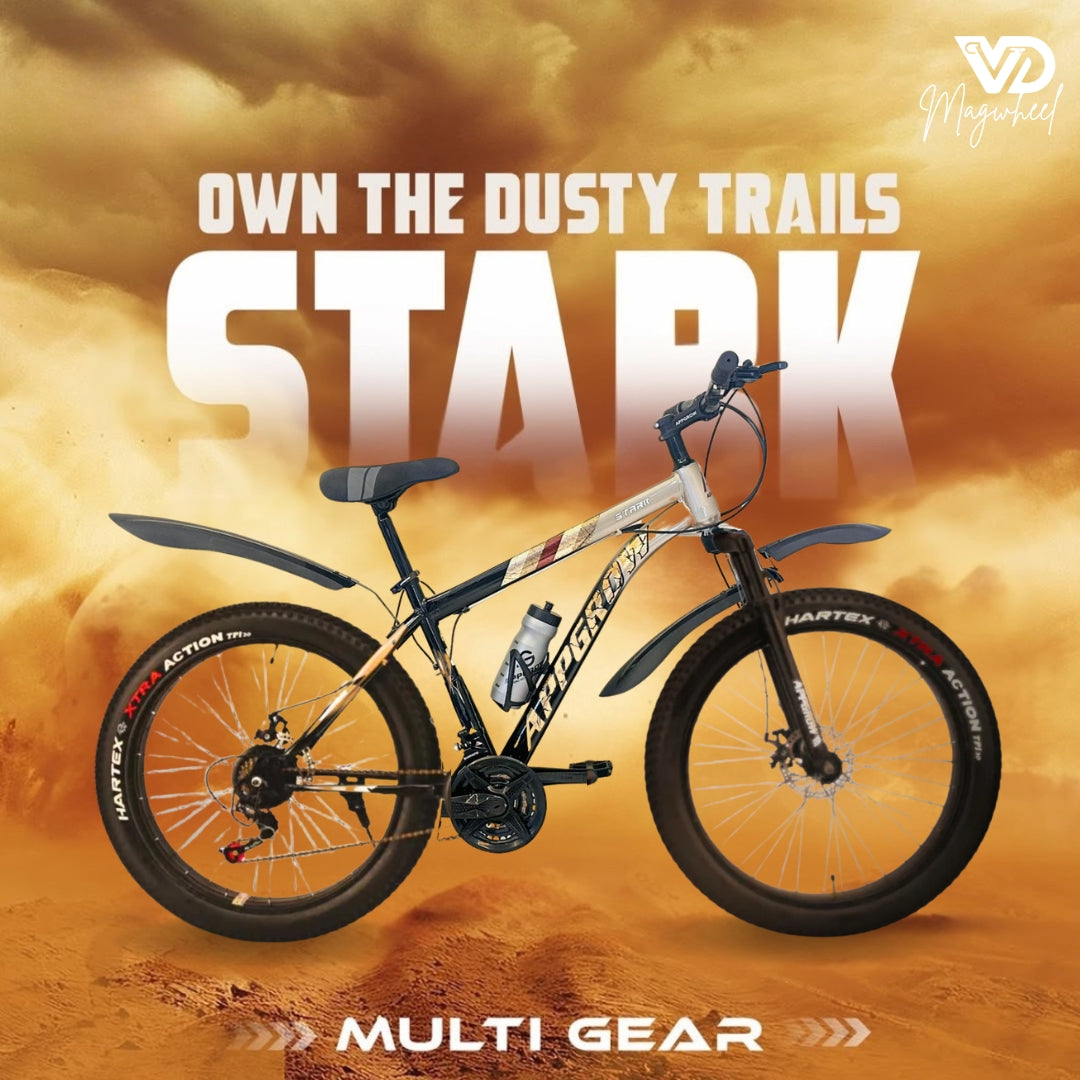
A 26T MTB may be suitable for recreational riding, trails and mixed surfaces, depending on its frame, tyres, suspension and components.
26T City Bicycle
A city-oriented 26T bicycle may suit everyday riding when its frame geometry, tyres and equipment match the rider and intended use.
Other 26T Designs
Manufacturers may use 26T wheels across different bicycle categories. Check the complete specifications rather than selecting by wheel size alone.

Geared vs Non-Geared 26T Cycle
26T bicycles are available in geared and non-geared designs. The right option depends on the rider's experience, intended use and terrain.
Non-Geared 26T Cycle
- Has a simpler drivetrain.
- Offers fewer controls to operate.
- Can suit straightforward everyday riding.
- May be appropriate when simplicity is a priority.
Geared 26T Cycle
- Offers multiple gear ratios.
- Can be useful on varied terrain and gradients.
- Requires the rider to understand shifting controls.
- Still needs the correct frame size and rider fit.
What Features Should You Check Before Buying a 26T Cycle?
- Frame size: Wheel size and frame size are not the same thing.
- Stand-over clearance: Check whether the rider can stand comfortably over the bicycle.
- Saddle adjustment: Ensure there is a useful adjustment range.
- Handlebar reach: Avoid a position that forces the rider to stretch excessively.
- Brake controls: Brake levers should be comfortably reachable.
- Tyres: Check tyre condition, tread and correct inflation.
- Wheels: Check wheel alignment and security.
- Drivetrain: Inspect the chain, crank and gears where applicable.
- Overall weight: The rider should be able to control and manoeuvre the bicycle.
- Intended use: Choose a bicycle category that matches where the rider plans to ride.

26T Cycle Safety Checklist
Before riding, inspect the bicycle and make sure the rider understands basic control and safety.
- Wear a properly fitted bicycle helmet.
- Check the front and rear brakes.
- Check tyre pressure and tyre condition.
- Check wheel security and alignment.
- Make sure pedals and crank components are secure.
- Check the chain and drivetrain.
- Use appropriate lighting or visibility equipment when required.
- Follow local traffic and cycling rules when riding on public roads.


Should You Buy a Bigger Cycle for Future Growth?
Buying an oversized bicycle purely for future growth can make it harder to control. A better approach is to choose a bicycle that fits the rider currently and provides a reasonable adjustment range.
As the rider grows, reassess saddle height, reach, frame fit and overall bicycle size rather than relying only on the original age recommendation.

26T Cycle Buying Checklist
Use this checklist when comparing bicycles or visiting a cycle shop.
- Measure the rider's height.
- Measure inseam length.
- Check the exact bicycle's sizing information.
- Check stand-over clearance.
- Check frame reach and riding position.
- Check saddle and handlebar adjustment.
- Check brake-lever reach.
- Decide whether gears are useful for the intended riding.
- Check bicycle weight and handling.
- Inspect brakes, tyres, wheels and drivetrain.
- Choose a properly fitted helmet and suitable safety equipment.
- If possible, let the rider sit on and test the bicycle before purchase.


Frequently Asked Questions
A 26T cycle is a bicycle using a 26-inch-class wheel size. It is available in MTB, city and other bicycle designs.
There is no universal age recommendation. Height, inseam, frame geometry, reach and riding ability should be considered.
It can suit some teenagers depending on their height and the specific bicycle's frame size. Taller teenagers may need a larger bicycle.
Some smaller adults may fit certain 26T bicycles. Adult fit depends on the complete bicycle geometry and frame size, not wheel size alone.
Choose according to the rider's current height, inseam, reach and ability. If a 24T bicycle has become too small and a particular 26T model fits comfortably, 26T may be appropriate.
Yes. Geared and non-geared 26T bicycles are available depending on the model.
No. 26T refers to the wheel-size category. Frame size is a separate measurement that varies between bicycle models.
Check rider height, inseam, stand-over clearance, frame reach, saddle adjustment, brake-lever reach, bicycle weight, intended use, brakes, tyres, wheels and drivetrain.