



















Kids Bicycle Safety Guide: Complete Safety Checklist for Children
Bicycle safety is important from the first learning session through regular riding. A properly fitted bicycle, correctly adjusted brakes, a suitable helmet, safe riding environment and appropriate supervision can help children develop safe cycling habits.

Why Is Bicycle Safety Important for Kids?
Children are still developing balance, coordination, steering and braking skills. A bicycle that fits correctly and is mechanically safe can make learning and riding more manageable.
Parents should check the bicycle regularly and teach children basic riding and safety habits before allowing them to ride independently.

Kids Bicycle Safety Checklist
- Use a properly fitted bicycle.
- Wear a properly fitted bicycle helmet.
- Check both brakes before riding.
- Check tyre pressure and tyre condition.
- Check wheels and pedals.
- Check the chain and drivetrain where applicable.
- Make sure the saddle and handlebar are correctly adjusted.
- Use a safe riding and learning area.
- Supervise younger or inexperienced riders.
- Teach basic steering, braking and road awareness.
1. Choose the Right Bicycle Size
A bicycle should fit the child properly. Avoid choosing a substantially oversized bicycle simply because the child may grow into it later.
Check wheel size, frame geometry, saddle height, handlebar reach and the child's ability to comfortably control the bicycle.

What Should Parents Check?
- Child's height.
- Inseam length.
- Stand-over clearance.
- Saddle adjustment.
- Handlebar reach.
- Brake-lever reach.
- Overall bicycle weight and control.
Wheel size and frame size are not the same thing. A bicycle with the appropriate wheel size can still have unsuitable frame geometry for a particular rider.
2. Choose and Fit the Right Helmet
A properly fitted bicycle helmet is an important part of a child's cycling safety equipment. The helmet should be appropriate for cycling and fit securely without being excessively loose or uncomfortable.

Helmet Fit Checklist
- Choose an appropriate bicycle helmet size.
- Follow the helmet manufacturer's fitting instructions.
- Make sure the helmet sits securely on the head.
- Adjust the straps correctly.
- Check that the helmet does not move excessively during normal head movement.
- Inspect the helmet regularly for damage.
3. Check the Brakes Before Every Ride
Children should understand how their bicycle brakes work before riding independently. Parents should also regularly inspect the braking system.

- Test the front and rear brakes where fitted.
- Check that brake levers operate correctly.
- Make sure the child can comfortably reach the brake levers.
- Look for unusual noise, rubbing or poor braking response.
- Have a bicycle mechanic inspect the brakes if they do not work correctly.
4. Check Tyres and Wheels
Tyres and wheels should be checked regularly because they directly affect bicycle handling.

- Check tyre pressure according to the tyre or bicycle manufacturer's guidance.
- Look for cuts, excessive wear or visible damage.
- Check that wheels are properly secured.
- Check that the wheels rotate correctly.
- Look for obvious wheel alignment problems.
5. Check the Saddle and Handlebar
The saddle and handlebar should be adjusted so the child can control the bicycle comfortably.
A child should not have to stretch excessively to reach the handlebars or brake controls. The saddle should also be positioned appropriately for comfortable pedalling and bicycle control.
6. Training Wheels Safety
Training wheels can be used as a learning aid on compatible children's bicycles. They should be correctly installed and regularly checked.
- Use compatible training wheels.
- Follow the manufacturer's installation instructions.
- Check mounting hardware regularly.
- Check both support wheels before riding.
- Make sure the bicycle itself is correctly sized.
- Remove training wheels when the child is ready to learn two-wheel riding.

7. Teach Basic Bicycle Controls
Before allowing a child to ride independently, make sure they understand the basic controls of their bicycle.
- How to start pedalling.
- How to steer.
- How to slow down.
- How to use the brakes.
- How to stop safely.
- How to look around while maintaining control.
Practise these skills in a safe, open area before introducing more complicated riding environments.
8. Choose a Safe Area for Learning
Young or inexperienced riders should practise in a controlled area away from moving traffic and other hazards.

Look for an Area That Is:
- Flat or appropriately manageable for the child's ability.
- Free from moving traffic.
- Free from major obstacles.
- Large enough for controlled turns.
- Suitable for adult supervision.
9. Teach Children About Road Safety
When children are ready to ride around roads or other traffic environments, they should learn applicable local traffic rules and safe cycling behaviour.
- Follow applicable traffic signals and signs.
- Stay aware of surrounding vehicles and pedestrians.
- Look carefully before changing direction.
- Use appropriate hand signals where applicable and where the child can do so safely.
- Avoid sudden movements around traffic.
- Use designated cycling infrastructure where available and appropriate.
- Use lights or reflective equipment when riding in low-light conditions.
10. Visibility and Reflective Equipment
Visibility can become especially important when cycling in low-light conditions. Depending on local rules and riding conditions, appropriate bicycle lights and reflective equipment can help make a rider more visible.
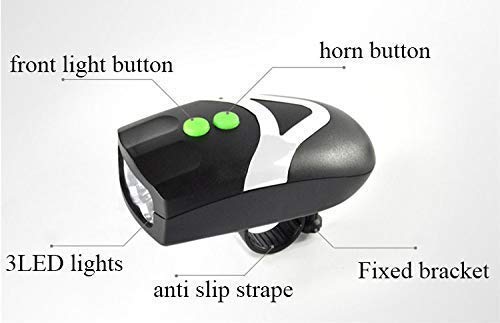
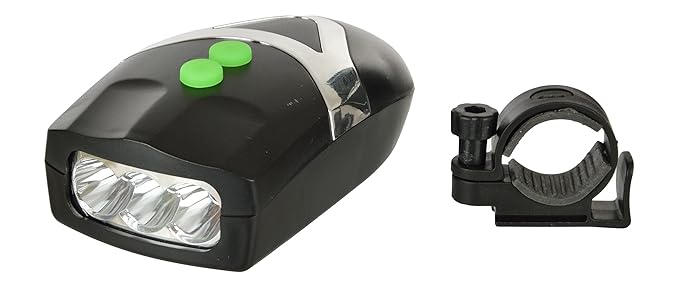
- Use appropriate front and rear bicycle lights where required.
- Consider reflective elements on clothing or equipment.
- Keep reflectors clean and visible where fitted.
- Avoid riding in poor visibility until the child has appropriate skills and equipment.
11. Supervision for Young Riders
Young children and inexperienced riders should receive appropriate adult supervision. The amount of supervision required depends on the child's age, ability, environment and riding experience.
Parents should gradually increase independence as the child's bicycle control and awareness develop.
12. Bicycle Maintenance for Kids
Regular basic checks can help identify problems before a child rides.
| Component | What to Check |
|---|---|
| Brakes | Correct operation and comfortable lever reach. |
| Tyres | Pressure, tread, cuts and visible damage. |
| Wheels | Security, alignment and free rotation. |
| Pedals | Secure attachment and condition. |
| Chain | Condition and correct operation where applicable. |
| Saddle | Secure attachment and suitable height. |
| Handlebar | Secure attachment and comfortable position. |
Kids Bicycle Safety by Riding Stage
| Riding Stage | Main Safety Focus |
|---|---|
| Learning with training wheels | Correct fit, secure training wheels, helmet and supervision. |
| Learning on two wheels | Balance, steering, braking and safe practice area. |
| Confident recreational riding | Helmet, bicycle checks, awareness and safe riding habits. |
| Road riding | Traffic awareness, applicable rules, visibility and bicycle control. |
What Should a Child Carry While Cycling?
The equipment a child needs depends on where and how they ride. For normal recreational riding, avoid unnecessarily loading the bicycle with items that can affect handling.
For longer or more practical rides, parents can consider age-appropriate storage and essential items while keeping the bicycle balanced and easy to control.
What Should Kids Avoid While Riding?
- Riding without appropriate safety equipment.
- Using a bicycle that is too large or too small.
- Riding a bicycle with defective brakes.
- Riding with damaged tyres or loose components.
- Using a phone or other distraction while riding.
- Carrying passengers on a bicycle not designed for passengers.
- Riding into traffic before developing adequate skills.
- Performing stunts in unsuitable areas.
Kids Bicycle Safety Checklist Before Every Ride
- Helmet fitted correctly.
- Bicycle size checked.
- Saddle secure.
- Handlebar secure.
- Brakes working.
- Tyres correctly inflated and free from obvious damage.
- Wheels secure.
- Pedals secure.
- Chain and drivetrain checked where applicable.
- Riding area appropriate for the child's ability.
- Adult supervision provided when appropriate.
When Should a Child Ride Independently?
Independence should develop gradually. A child should first demonstrate adequate bicycle control in a safe environment before being allowed to ride in more complex areas.
Parents should consider the child's balance, braking, steering, awareness, confidence and ability to follow safety instructions.
Kids Bicycle Safety: Quick Parent Checklist
- Correct bicycle size.
- Properly fitted helmet.
- Working brakes.
- Safe tyre pressure and condition.
- Secure wheels, pedals and handlebars.
- Correct saddle adjustment.
- Compatible and secure training wheels where used.
- Safe practice environment.
- Appropriate supervision.
- Basic traffic and cycling awareness.

Frequently Asked Questions
Children should use a properly fitted bicycle and helmet, have working brakes and ride in an environment appropriate for their ability with suitable supervision.
The safest choice is a bicycle that fits the child's height, inseam, reach and riding ability. Avoid choosing a substantially oversized bicycle for future growth.
A properly fitted bicycle helmet is an important part of cycling safety. Follow applicable local requirements and helmet manufacturer's guidance.
Training wheels can be used as a learning aid when compatible with the bicycle and correctly installed. They should be regularly checked and used with appropriate supervision.
There is no universal age. Consider the child's balance, steering, braking, confidence and readiness to begin learning on two wheels.
Basic safety checks should be performed regularly and before riding. Brakes, tyres, wheels, pedals, saddle and handlebar should be checked for secure and proper operation.
Children should ride in environments appropriate for their age, ability and local rules. Before road riding, they need adequate bicycle control and an understanding of applicable traffic and cycling safety rules.
Check the helmet, bicycle fit, brakes, tyres, wheels, pedals, saddle, handlebar and overall bicycle condition, then make sure the riding environment is appropriate.