



















Which Electric Cycle Is Best? Complete Electric Bicycle Buying Guide for Beginners in India
Which electric cycle is best depends on how you plan to ride, your required range, battery capacity, motor, bicycle size, tyres, brakes, charging needs and overall budget. There is no single electric cycle that is ideal for every rider. The right choice is the one whose specifications match your daily riding requirements.
How Do You Choose the Best Electric Cycle?
Start with your actual riding requirement instead of choosing an electric cycle only by its appearance or claimed range. Consider how far you normally travel, the type of roads you use, how much pedalling assistance you want and how frequently you can charge the battery.


1. Check the Electric Cycle Battery
The battery is one of the most important components of an electric bicycle. Battery specifications commonly include voltage and capacity. A larger battery can provide more stored energy, but actual riding range also depends on rider weight, riding mode, terrain, tyre pressure, speed, wind and other conditions.

Battery Capacity
When comparing two electric cycles, look at the battery specification rather than judging range only from marketing claims. Watt-hours (Wh) can be useful for comparing the amount of stored energy between batteries.
Also check whether the battery is removable or integrated and whether replacement support is available.
2. Understand the Electric Cycle Motor

Motor Power Matters
Electric cycles commonly use hub motors. Motor specifications can help you understand how the cycle is designed to assist the rider, but motor power should not be considered separately from battery capacity, controller, bicycle weight, gearing and riding conditions.
Always check the manufacturer's stated specifications and the applicable requirements for the model you are considering.
3. Check the Real-World Range

Electric cycle range is not a fixed number. A manufacturer's claimed range may be measured under particular test conditions. Your actual range can change according to rider weight, assist level, speed, terrain, wind, tyre pressure, battery condition and temperature.
4. Pedal Assist vs Throttle

Understand the Riding Modes
Pedal-assist systems provide motor assistance while you pedal. Some electric cycles may also have a throttle or other control system, depending on the model and applicable configuration.
Before purchasing, check exactly which riding modes the particular electric cycle provides.
5. Check the Display and Controls

Useful Information While Riding
Depending on the model, an electric cycle display may show information such as speed, battery level, assist mode, distance and other riding data.
A simple and readable control system can make everyday use easier, particularly for first-time e-cycle buyers.
6. Charging and Battery Convenience

Before buying, check how the battery is charged, whether it can be removed, the supplied charger specifications and the manufacturer's charging instructions. Also consider where you will normally park and charge the bicycle.
7. Choose the Right Electric Cycle Type

Electric MTB
Designed around an MTB-style frame and equipment. Depending on the model, it may be suitable for city riding as well as rougher surfaces.
City Electric Cycle
Generally designed around practical everyday riding, comfort and easy handling on urban roads.
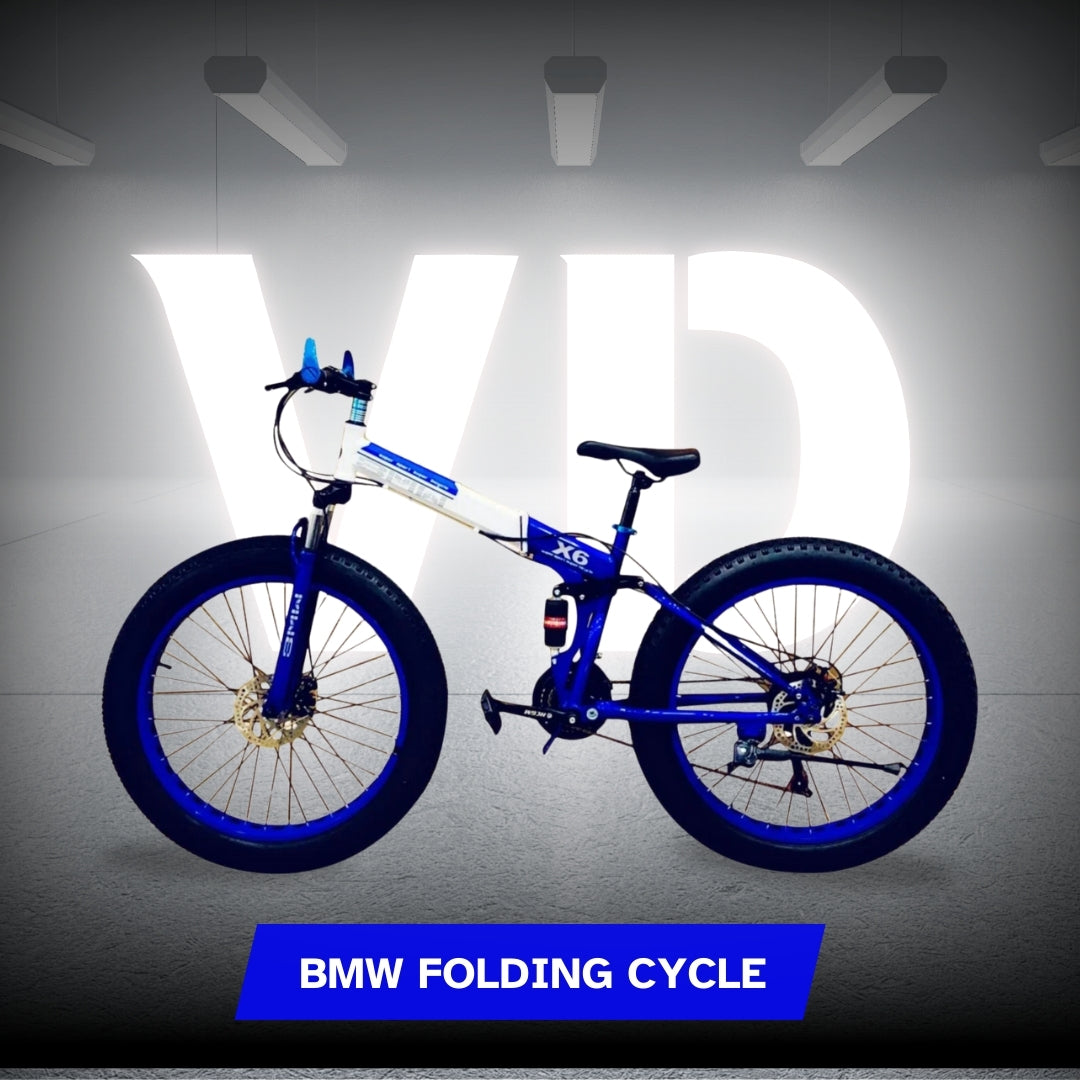
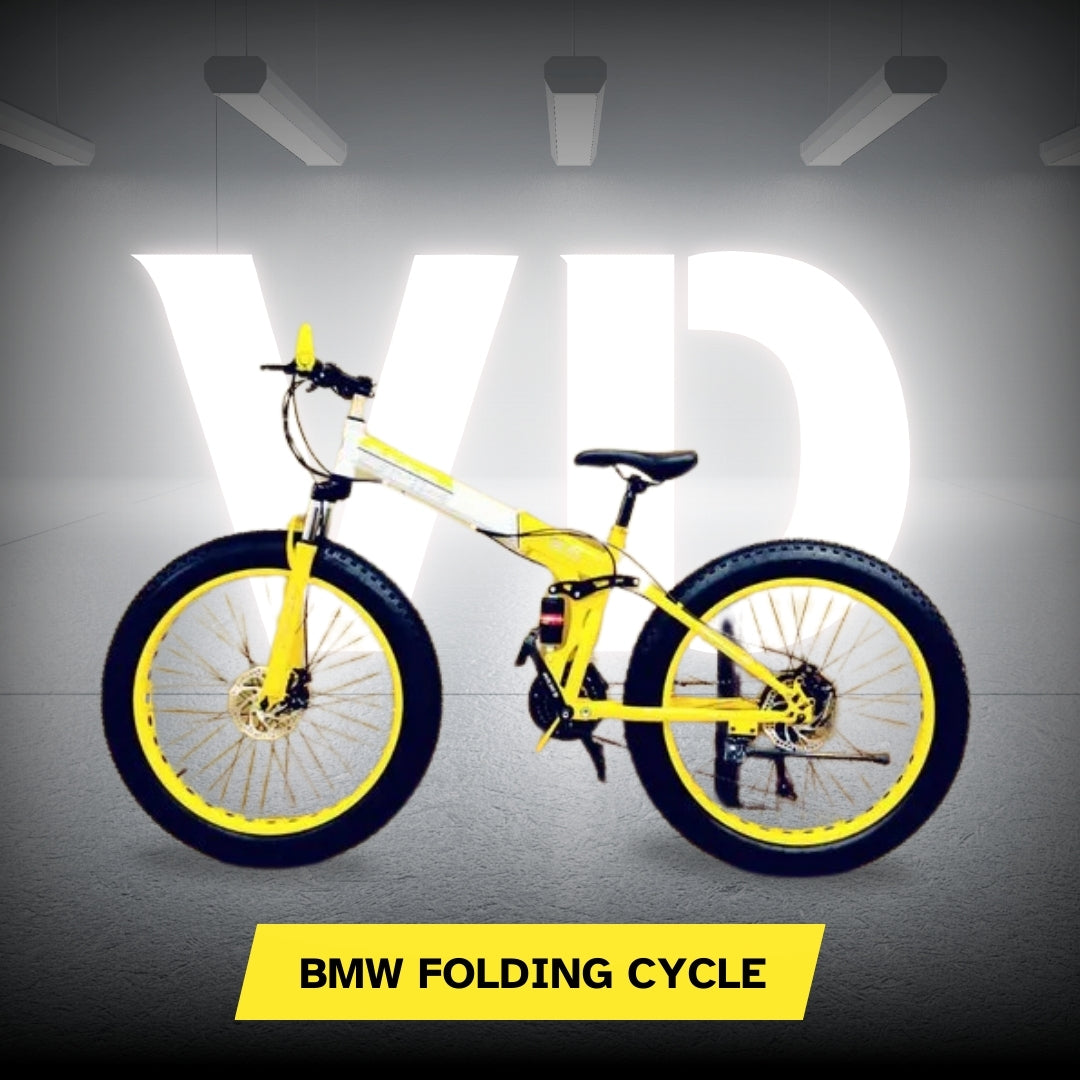
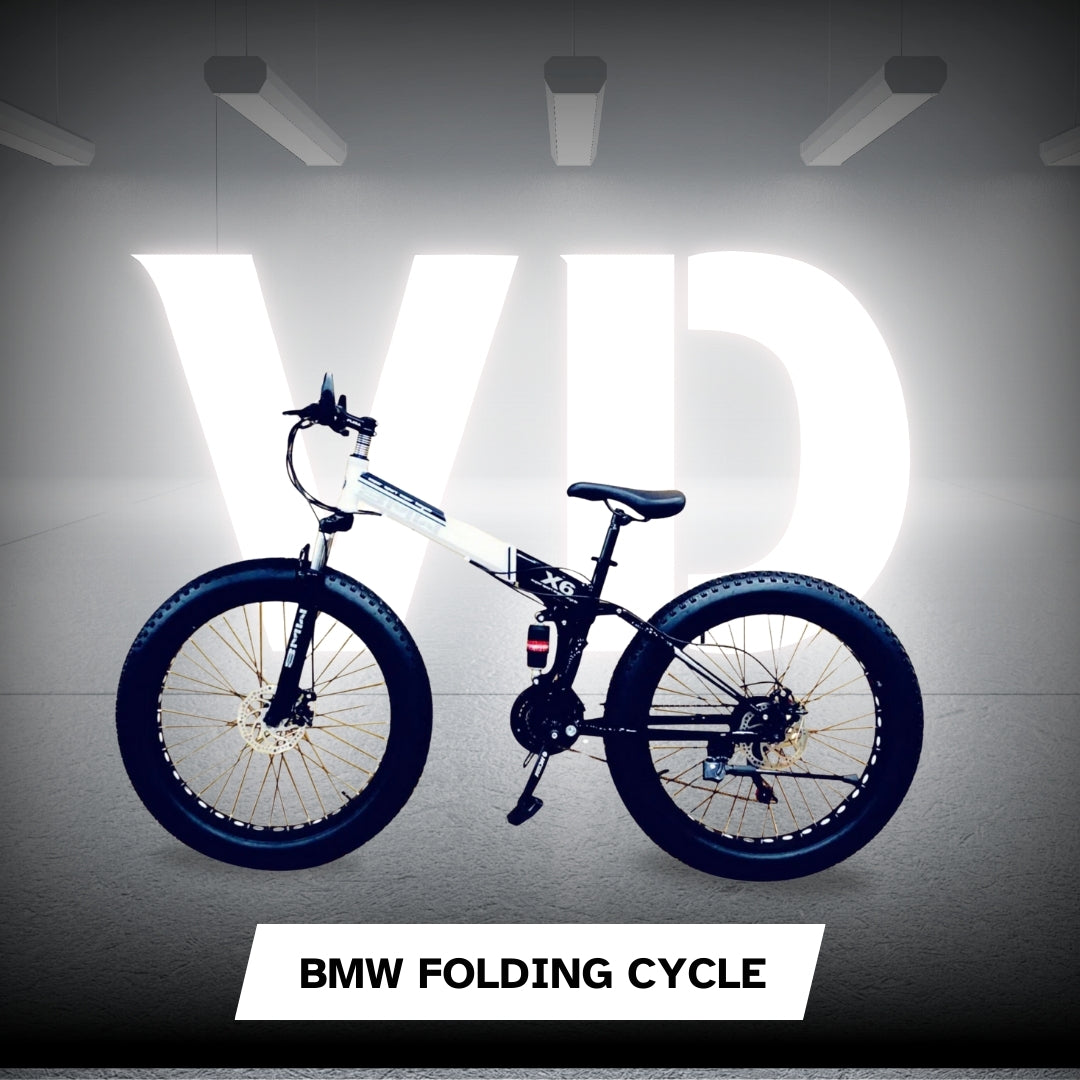
Electric Folding Cycle
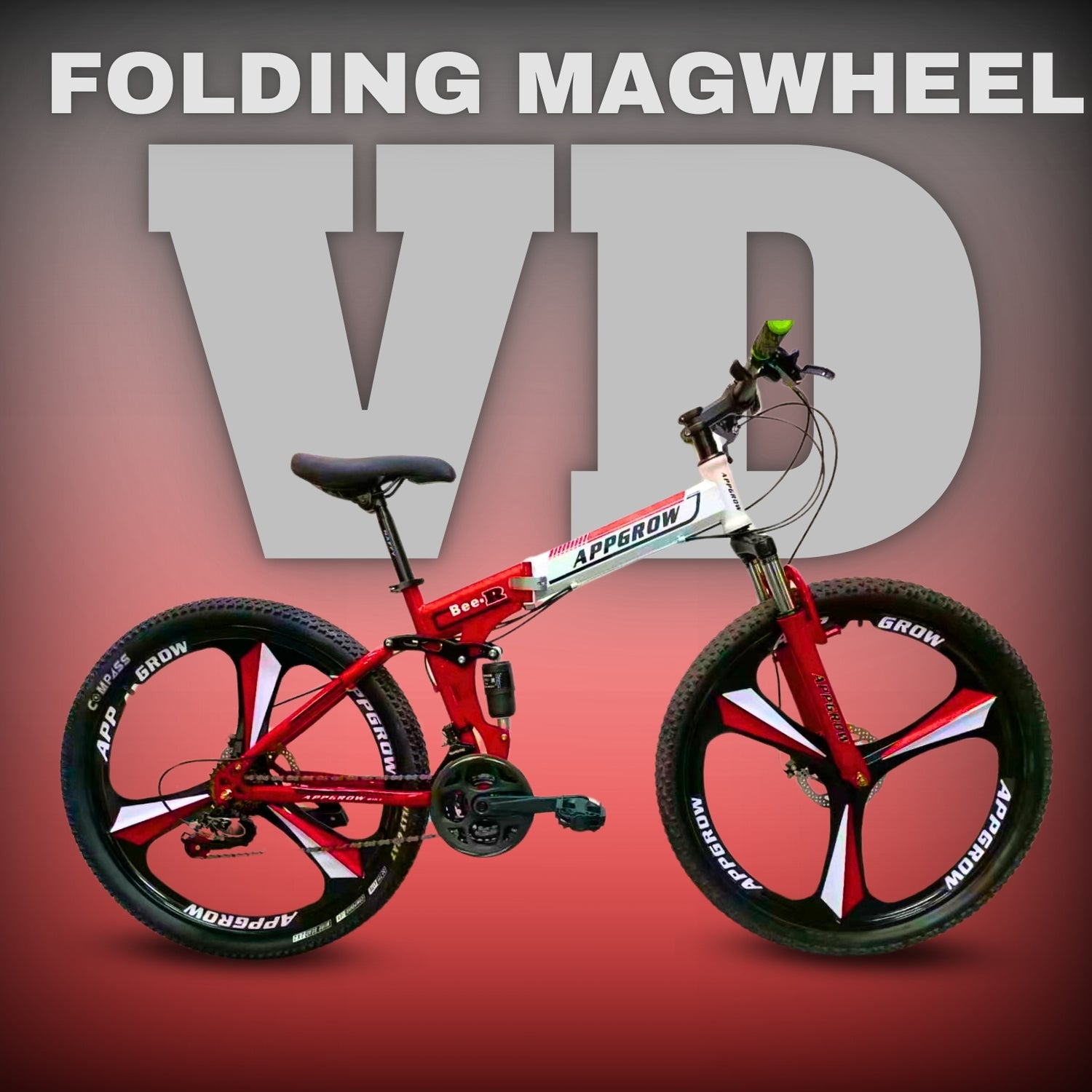
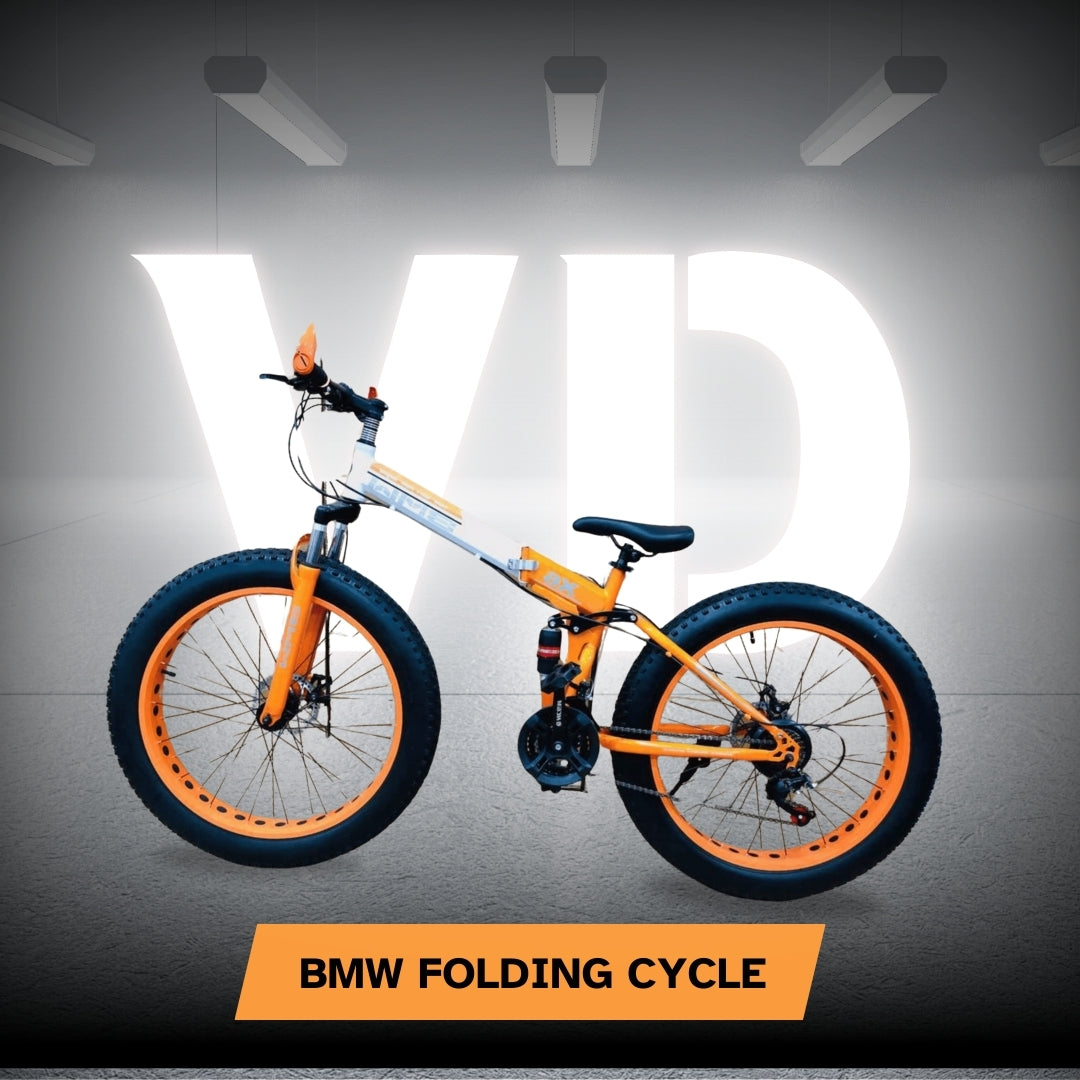
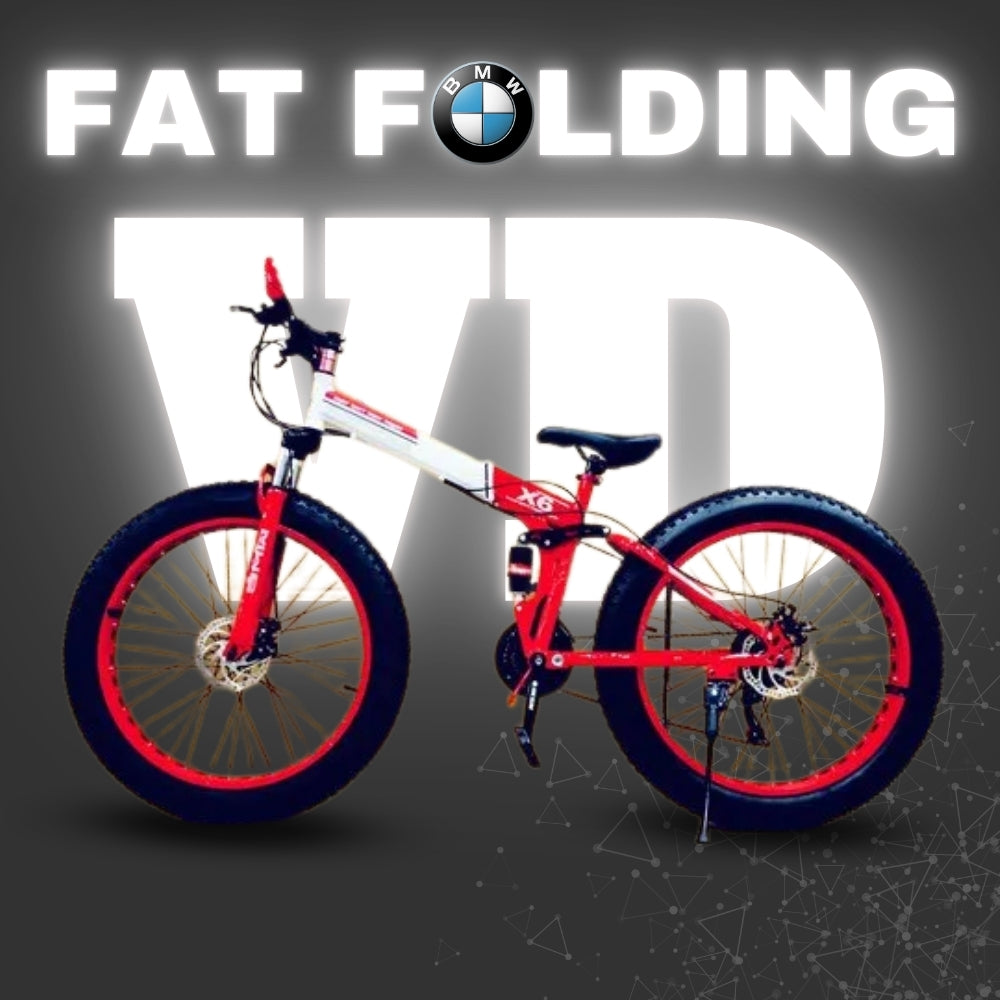
A folding design can be useful where compact storage or transportation is an important requirement.
Electric Fat Bike
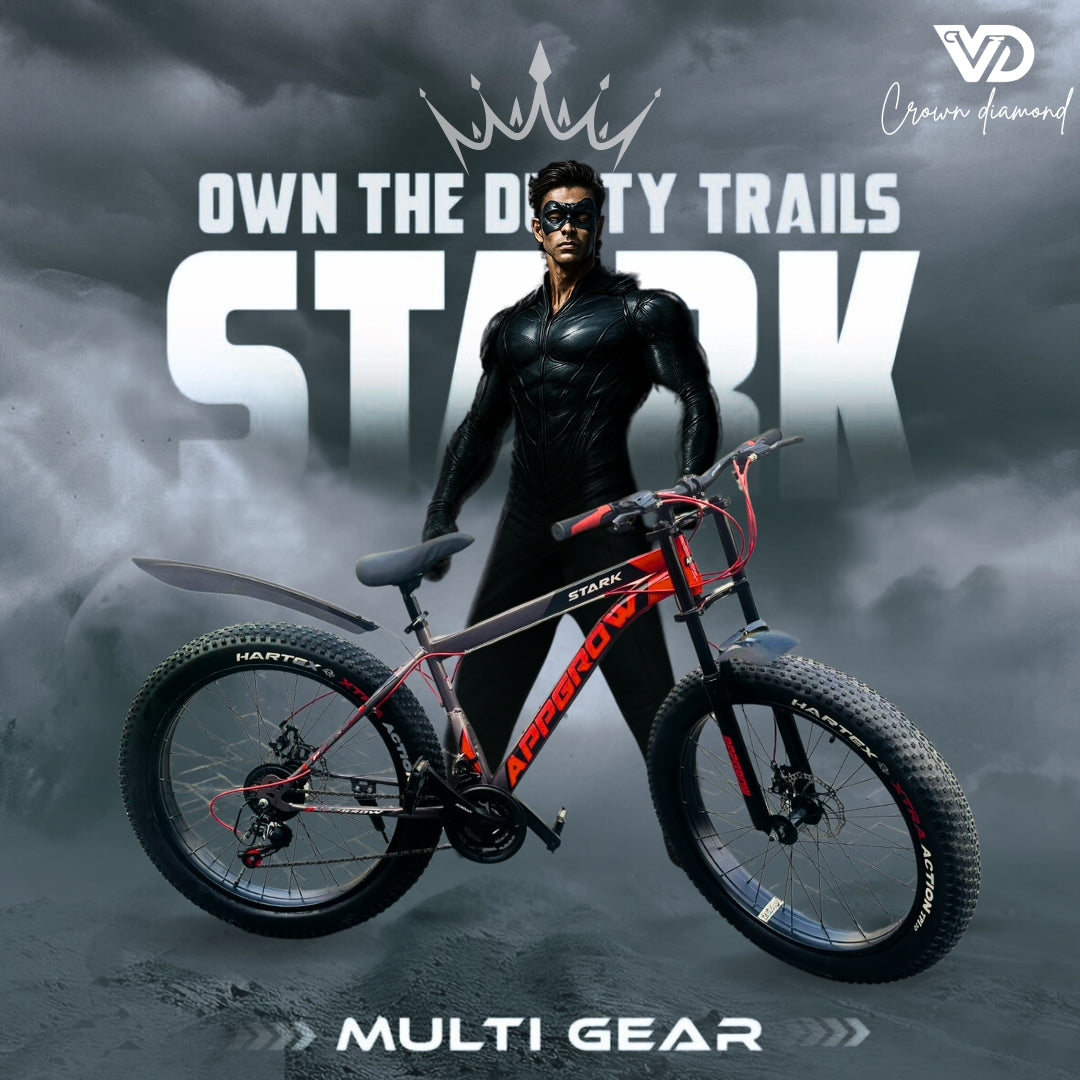
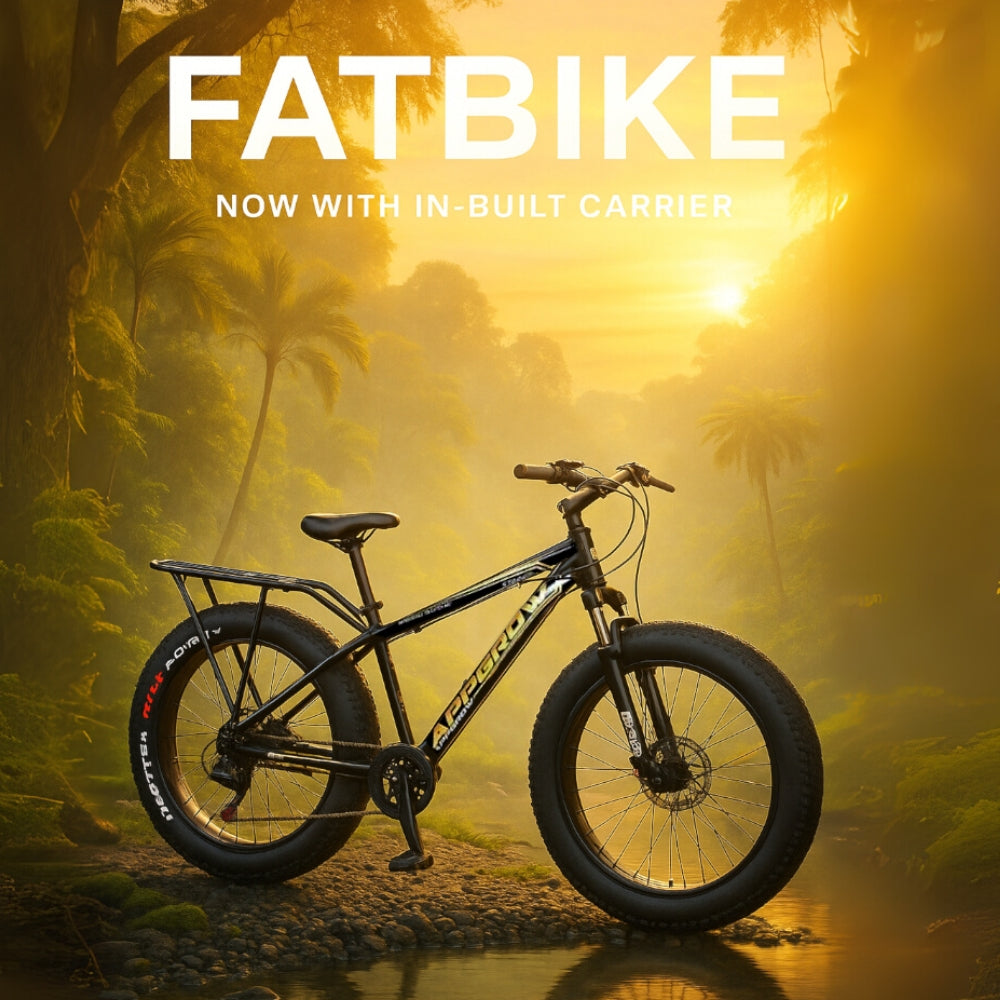
Uses wider tyres and a different frame and tyre setup. Compare its size, weight and intended riding conditions before buying.
8. Check Tyres, Suspension and Brakes

Components Affect Riding Feel
Tyre width and tread influence grip and rolling behaviour. Suspension can improve comfort over suitable uneven surfaces, while the braking system affects control and stopping performance.
Compare the actual component specifications rather than choosing an electric cycle based only on the number of features listed on the product page.
9. Battery Placement and Frame Design

Look at the Complete Bicycle
Battery position can affect the overall design, weight distribution and appearance of an electric cycle. Compare the frame geometry, battery position, riding position and overall bicycle weight.
Most importantly, choose a frame size that is appropriate for your height and riding position.
10. Think About Your Actual Riding Environment

Your regular riding environment should influence your choice. Consider city streets, local roads, uneven sections, slopes, traffic conditions and the distance of your normal rides.
A bicycle designed for a particular riding style may not provide the same experience as another category. Therefore, compare the complete specification and intended use rather than selecting an electric cycle only because it has a higher number for one specification.
Electric Cycle Features to Compare
| Feature | What to Check | Why It Matters |
|---|---|---|
| Battery | Voltage, capacity, Wh, removable/integrated | Determines stored electrical energy and charging convenience. |
| Motor | Motor type and stated power | Helps understand the electric assistance system. |
| Range | Claimed range and test conditions | Real-world range can vary with riding conditions. |
| Brakes | Mechanical or hydraulic disc, rim brake etc. | Important for control and stopping performance. |
| Tyres | Size, width and tread | Affects grip, comfort and rolling behaviour. |
| Suspension | Rigid or suspension fork | Can influence comfort on uneven surfaces. |
| Frame | Material, geometry and size | Affects fit, handling and overall riding feel. |
| Charging | Charger and charging method | Important for everyday ownership. |
| Warranty | Battery, motor, frame and other coverage | Helps understand after-sales coverage. |
| Service | Service availability and spare parts | Important for long-term ownership. |
How Much Should You Spend on an Electric Cycle?
Instead of choosing an electric cycle only by price, compare what you receive for the money. Battery capacity, motor system, frame quality, brakes, tyres, display, charging system, warranty and after-sales support can all affect the overall value.
A very low purchase price does not automatically mean better value, just as a higher price does not automatically make one electric cycle suitable for every rider.
Brand, Warranty and Service Matter
Electric cycles contain both bicycle components and electrical components. Therefore, check the manufacturer's warranty terms for the battery, motor, frame and other covered parts.
Also check whether service support and replacement parts are available for the specific model. This can be important when comparing different electric cycles with similar specifications.
Electric Cycle Buying Checklist

- Is the frame size suitable for your height?
- Is the battery capacity suitable for your expected riding distance?
- Is the stated range realistic for your riding conditions?
- What motor system does the cycle use?
- What riding modes are available?
- What type of brakes does it have?
- Are the tyres suitable for your roads?
- Does it have a rigid or suspension fork?
- How and where will you charge it?
- Is the battery removable?
- What warranty is provided for the battery and motor?
- Is service and spare-parts support available?
- What is the complete delivered price?
Which Electric Cycle Is Best for a Beginner?

For a beginner, the best electric cycle is one that matches the rider's height, daily distance, road conditions and preferred riding style. Start by deciding how you will use the bicycle, then compare battery, motor, range, brakes, tyres, frame size, charging and service support.
Do not select an electric cycle only because it has the highest claimed range, largest battery or most features. The complete combination of specifications matters more than one individual number.
Where Can You Compare Electric Cycles?
You can explore different bicycle categories and electric cycle options through the VD Chawla Cycles bicycle collection.
For electric bicycle-specific options, visit the Electric Cycles collection and compare the specifications of individual models.
You can also use the Cycle Size Guide to understand bicycle sizing before choosing a model.
Compare the bicycle category, size and specifications first. For store assistance, visit VD Chawla Cycles Contact.
Frequently Asked Questions
Which electric cycle is best?
The best electric cycle depends on the rider's height, riding purpose, required range, battery, motor, terrain, bicycle size, brakes, tyres, charging requirements and budget.
How do I choose an electric cycle battery?
Compare battery voltage and capacity, and consider your expected riding distance and charging routine. Actual range varies according to riding conditions and assist level.
Does a bigger battery always mean a better electric cycle?
Not necessarily. Battery capacity is only one part of an electric cycle. Frame size, motor system, weight, brakes, tyres, service support and the intended use also matter.
Is claimed electric cycle range accurate?
A claimed range is normally based on particular conditions. Actual range can vary depending on rider weight, speed, terrain, assist level, tyre pressure, wind, temperature and battery condition.
What should I check before buying an electric cycle?
Check battery, motor, real-world range, riding modes, frame size, tyres, brakes, suspension, charging, warranty, service support and the complete purchase price.
Is frame size important for an electric cycle?
Yes. The electric system does not remove the importance of bicycle fit. The frame and bicycle size should be appropriate for the rider's height and comfortable riding position.
Useful Bicycle Buying Guides
Conclusion
Choosing the right electric cycle is mainly about matching the bicycle to your actual riding requirements. Compare the battery, motor, range, riding modes, frame size, tyres, brakes, suspension, charging system, warranty and service support before making a purchase.
A well-matched electric cycle can provide a more suitable riding experience than simply choosing a model based on one specification. Take the complete bicycle and your own riding requirements into account before deciding.