



















Which Cycle Is Best? Complete Bicycle Buying Guide for Beginners in India
Which cycle is best depends on the rider and how the bicycle will be used. The right choice can change based on riding purpose, height, wheel size, frame, tyres, gears, brakes, terrain and budget.

How Do You Decide Which Cycle Is Best?
The best bicycle for one rider may be completely different from the best bicycle for another rider. A commuter may need a different setup from someone riding for fitness, while a rider using rough roads may need different tyres and suspension.
Before choosing a bicycle, consider these factors:
- Riding purpose
- Rider height and bicycle size
- Road and terrain
- Cycle category
- Frame material and geometry
- Wheel and tyre setup
- Gears or single-speed drivetrain
- Brake system
- Suspension or rigid fork
- Budget and long-term ownership
- Brand, warranty and service support

Which Type of Cycle Should You Choose?
Different bicycle categories are designed around different riding requirements. Instead of choosing a category because it is popular, first match the category to your actual use.
MTB Cycle
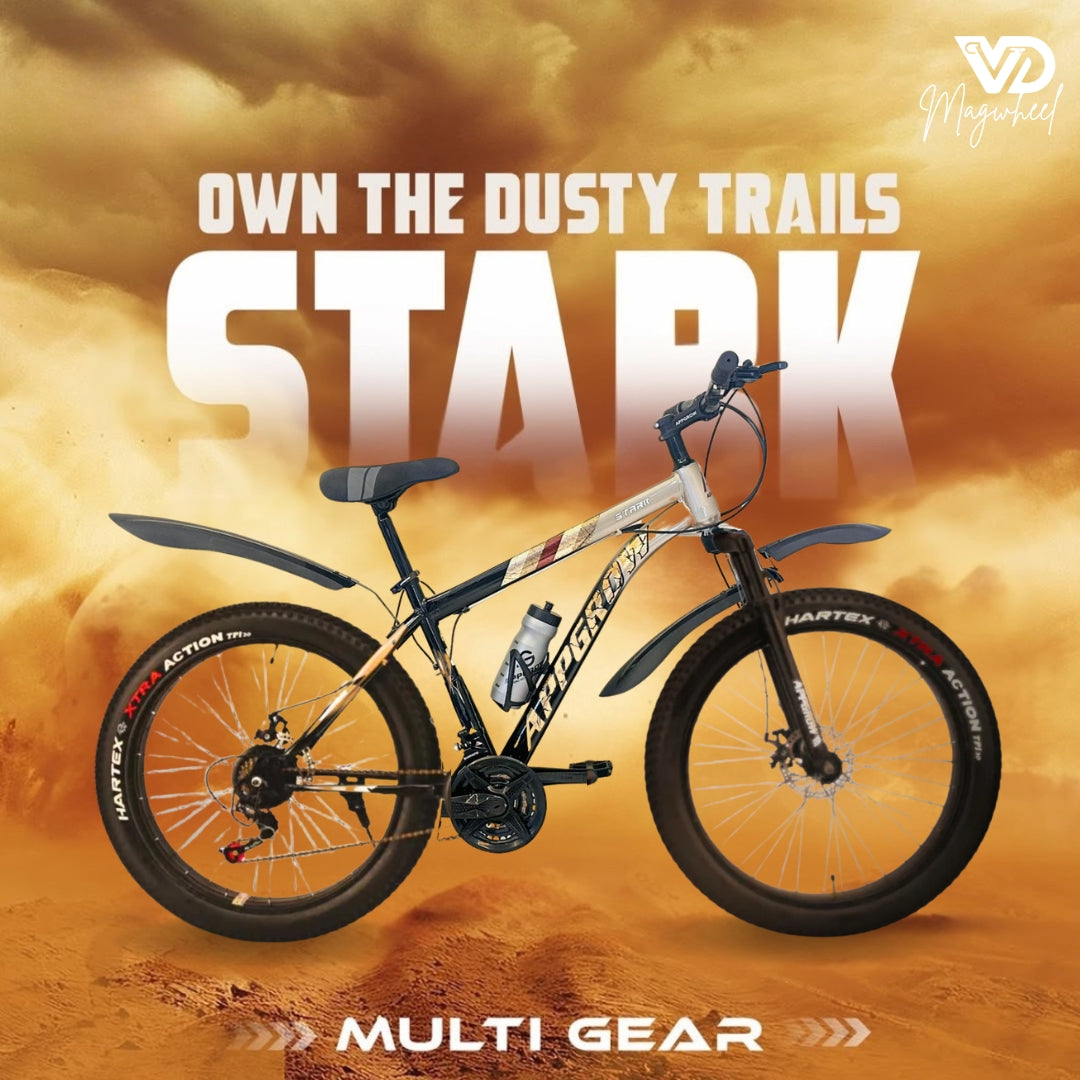
Mountain bikes are designed for mixed surfaces and can suit fitness riding, rougher roads, gravel and light trails depending on the model.
Explore MTB CyclesHybrid Cycle
Hybrid bicycles are designed to combine everyday practicality and road efficiency. They can suit commuting, fitness and general urban riding.
Explore 700C CyclesRoad Bike
Road bikes are designed primarily for efficient riding on paved roads, with features such as narrower tyres and performance-oriented riding positions.
Explore Road BikesFat Bike
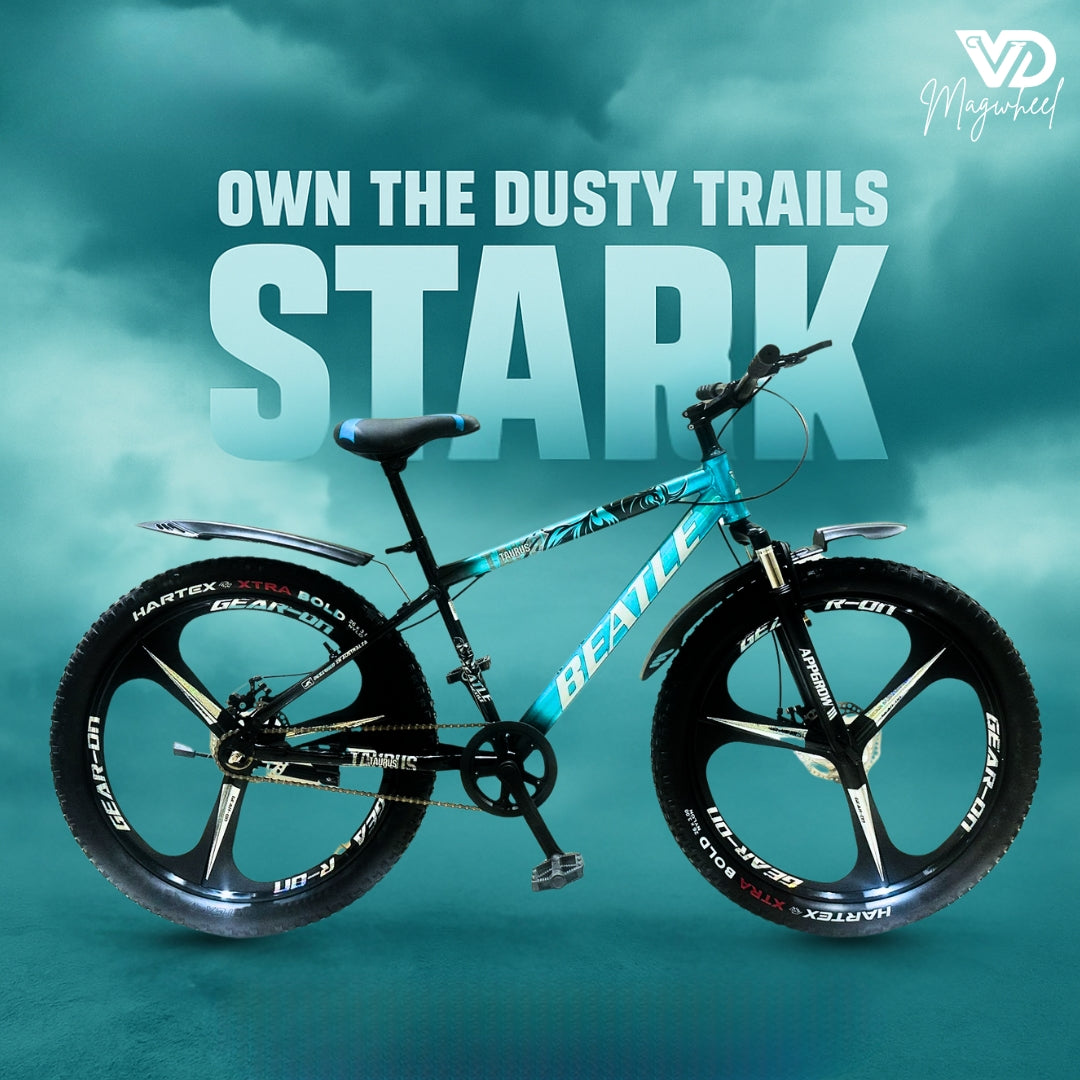
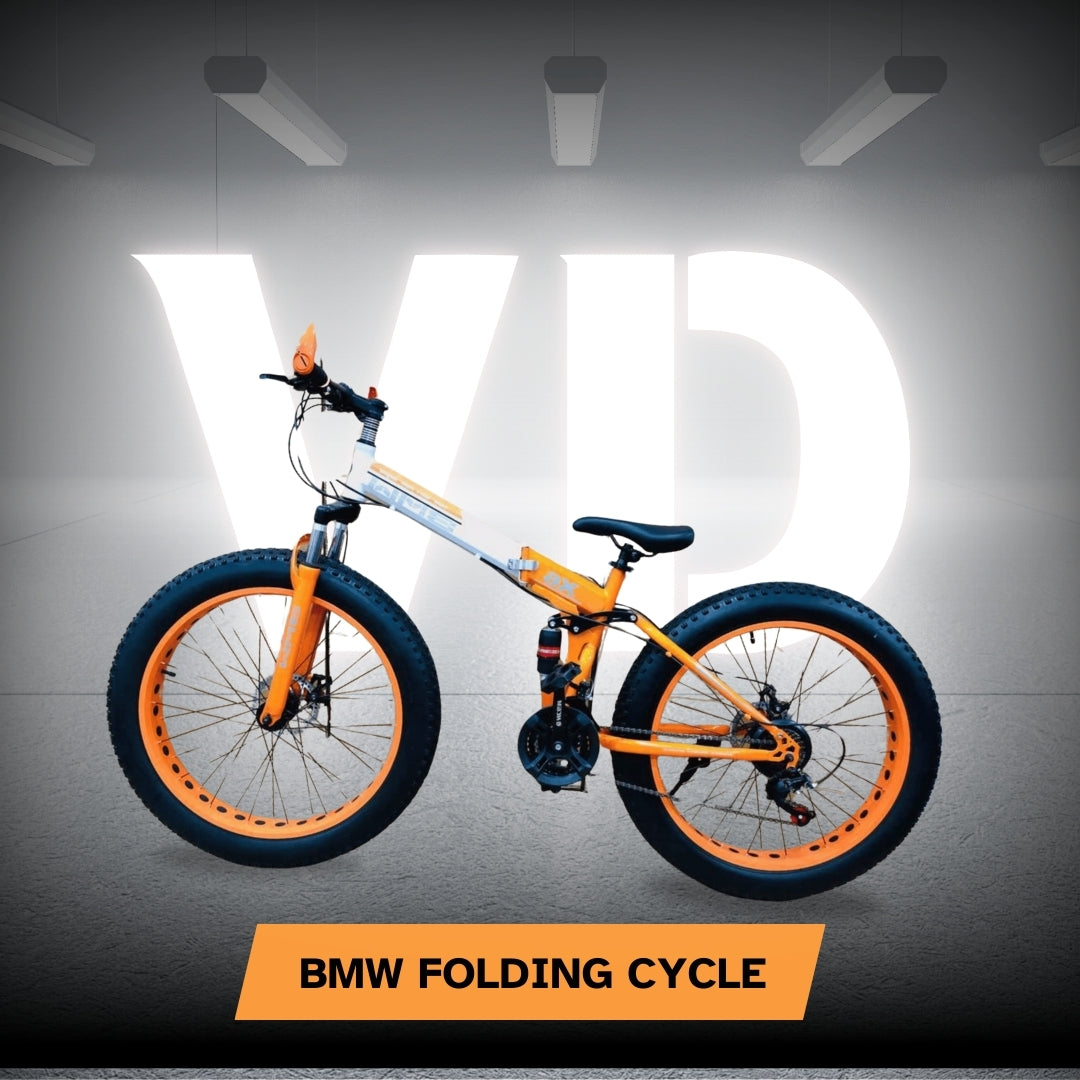
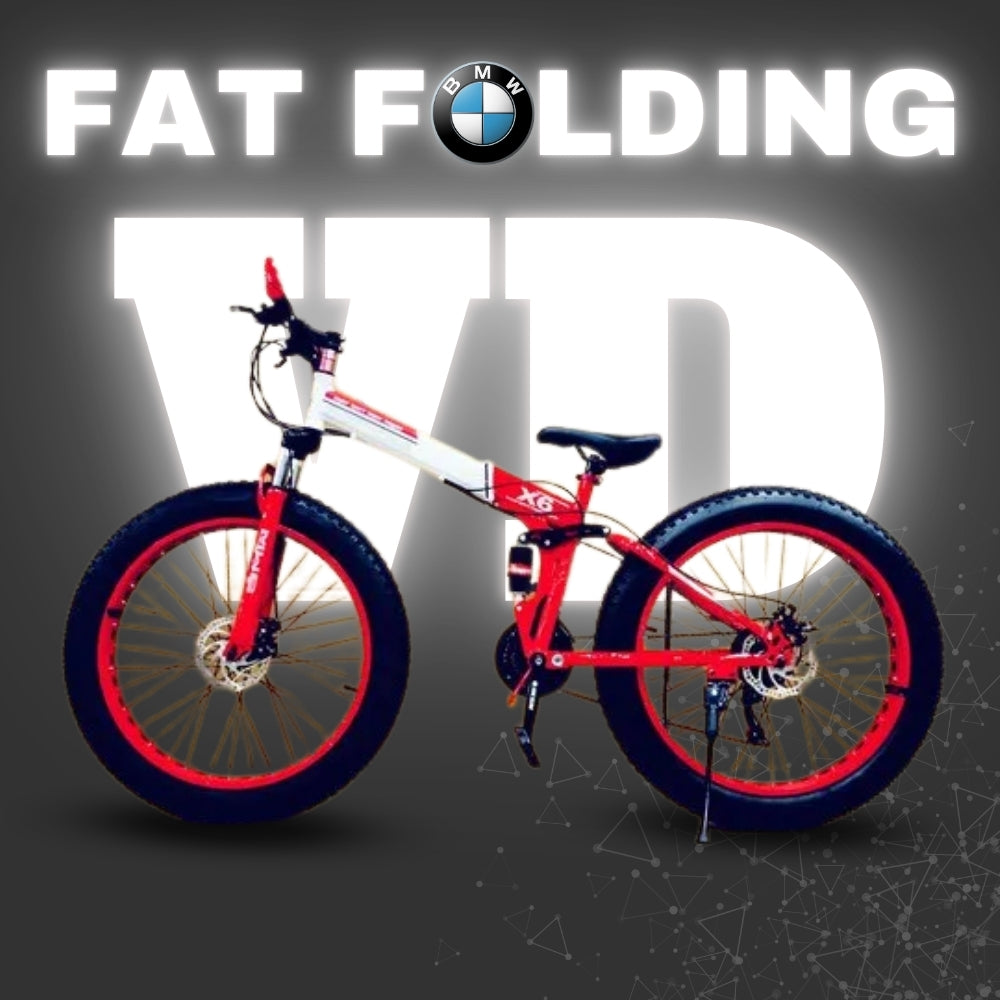
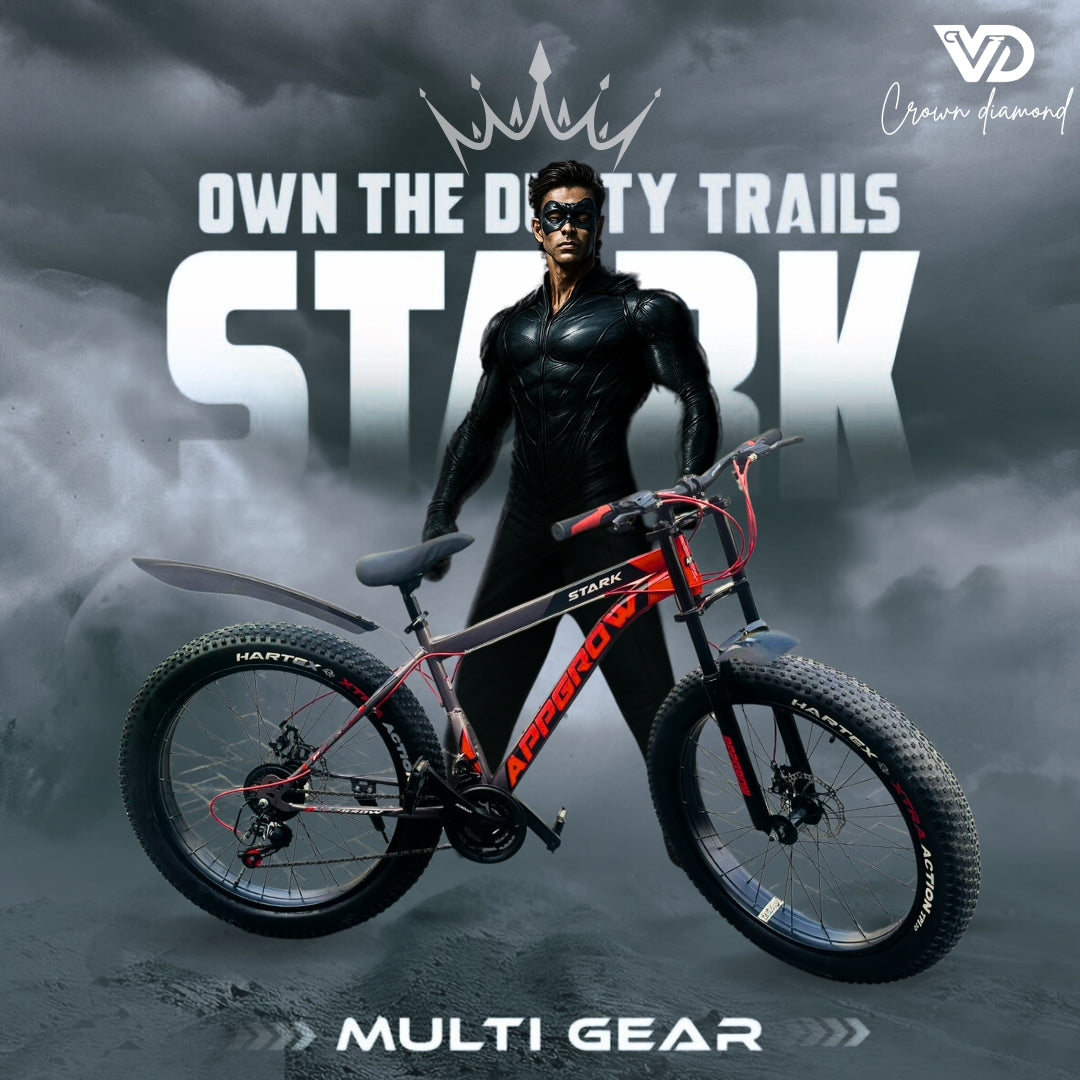
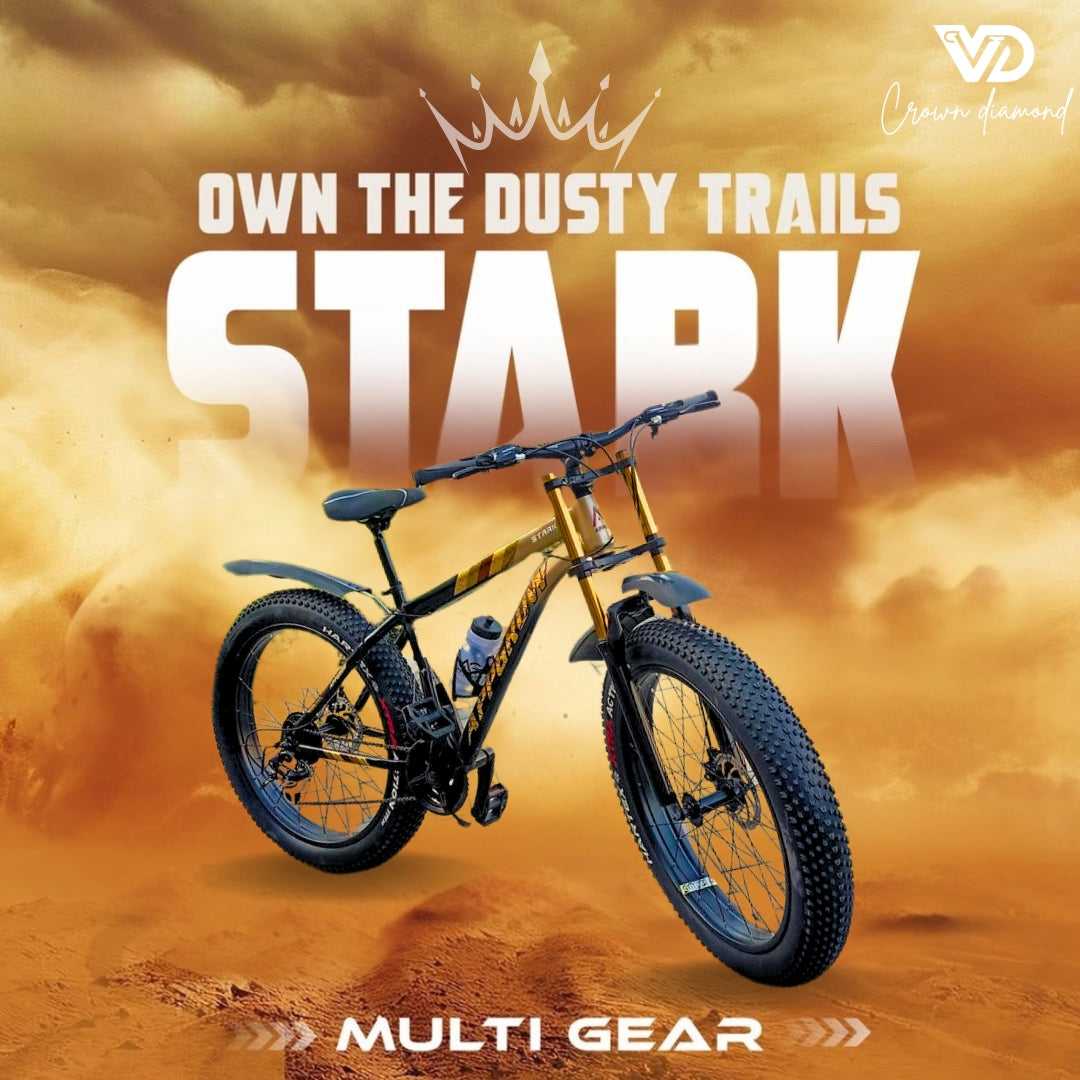
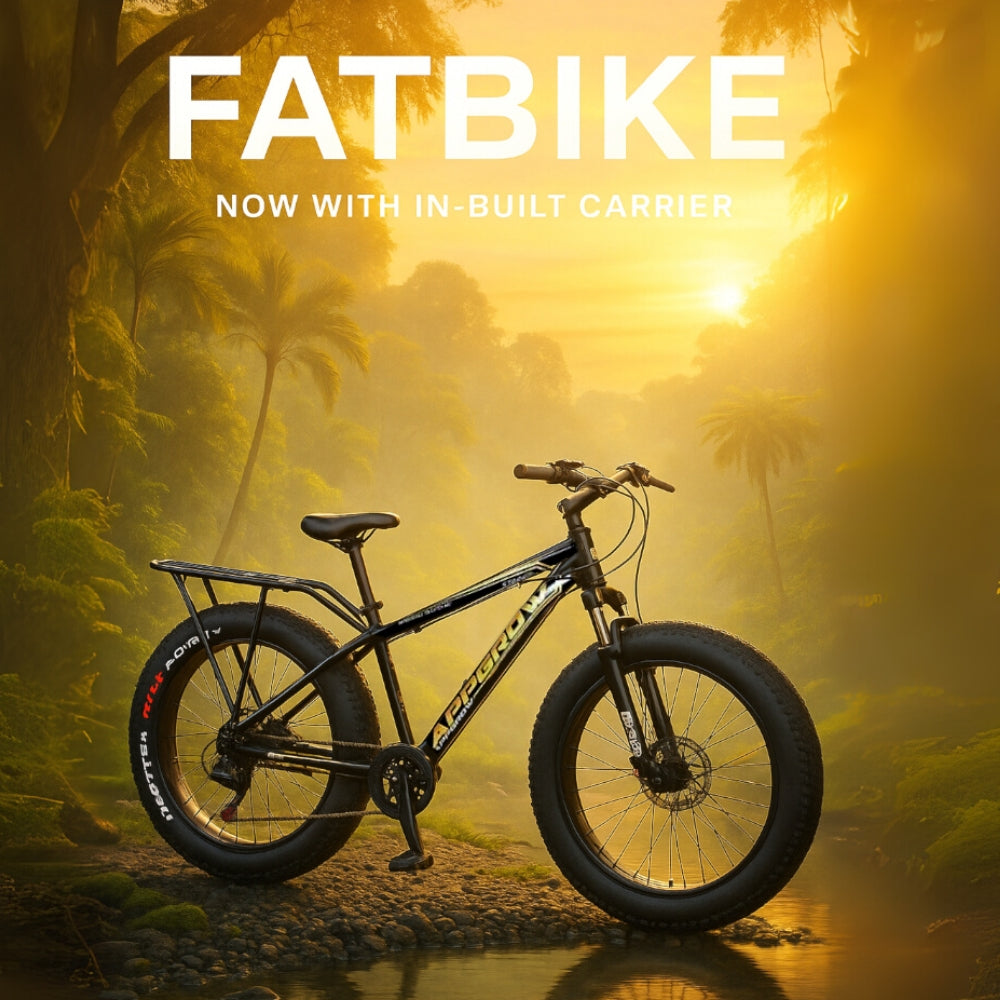
Fat bikes use very wide tyres and are intended for riders who specifically want the characteristics of a wide-tyre bicycle.
Folding Cycle
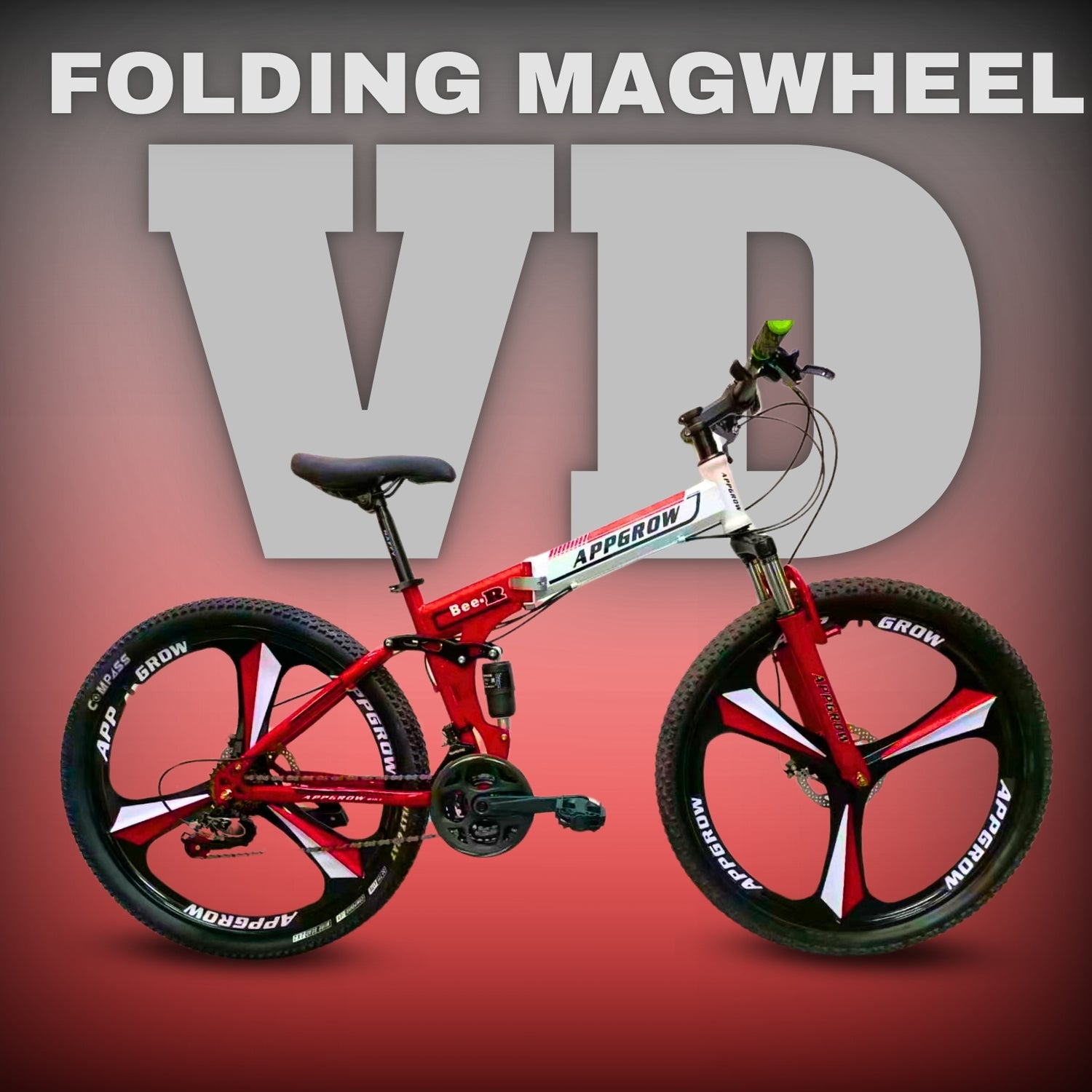
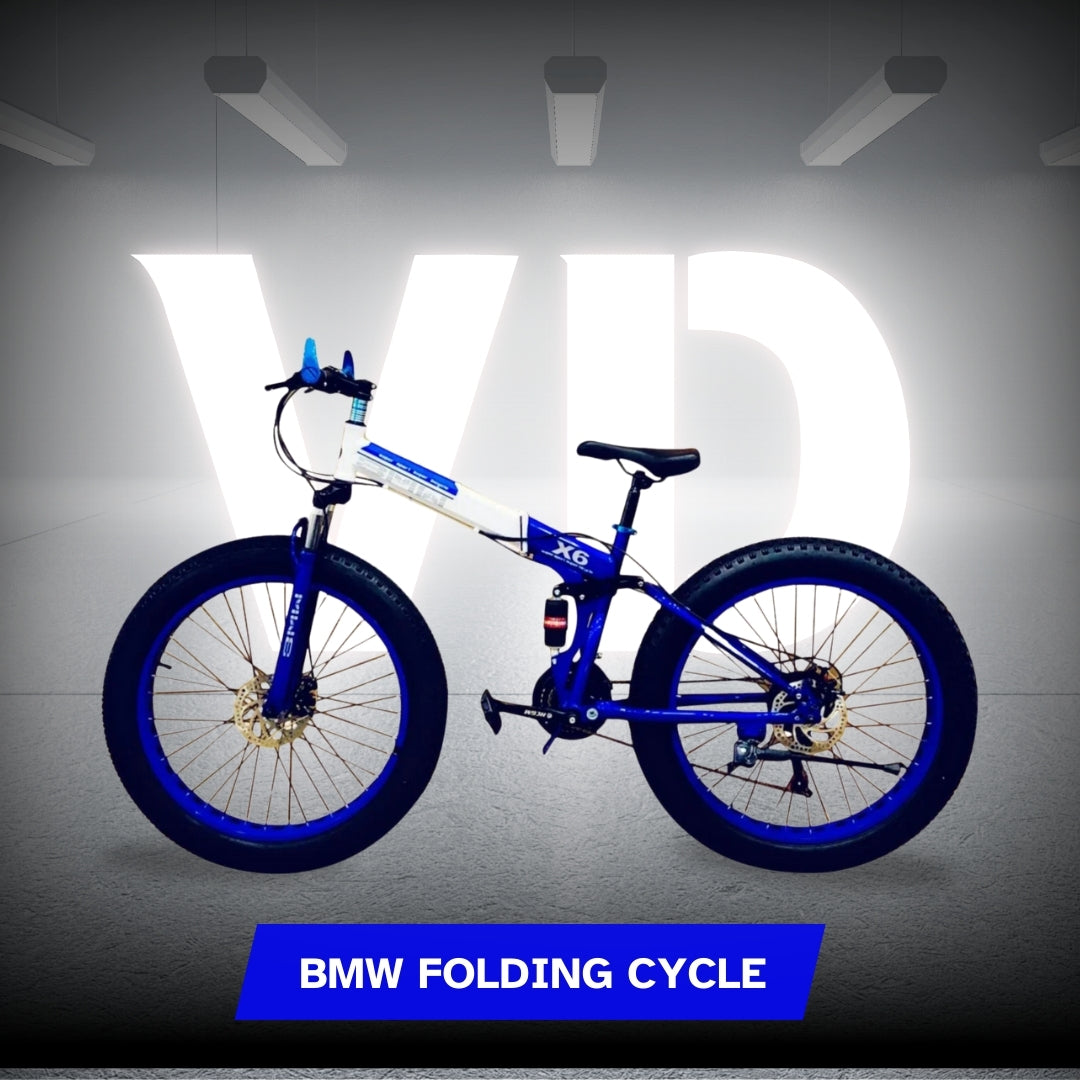
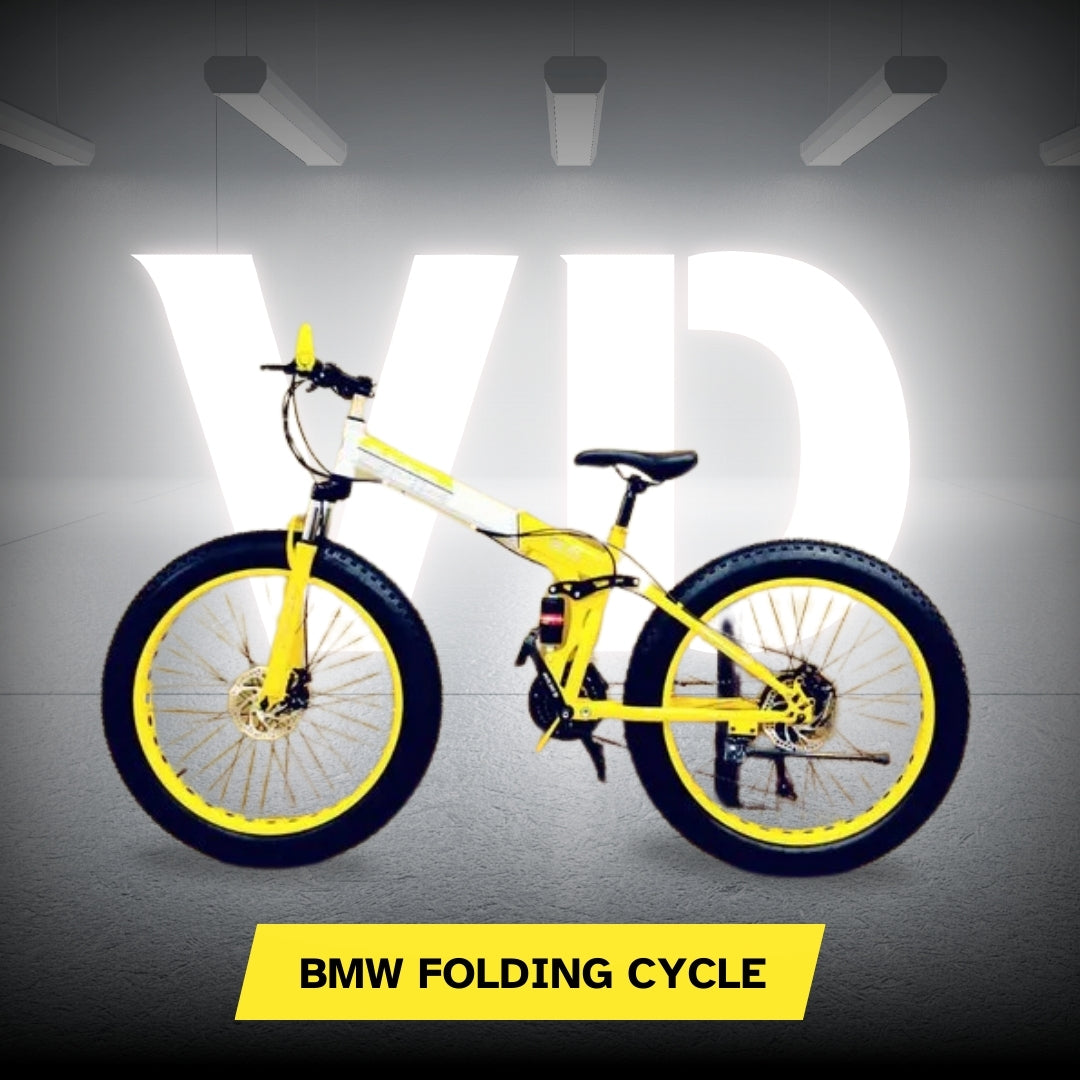
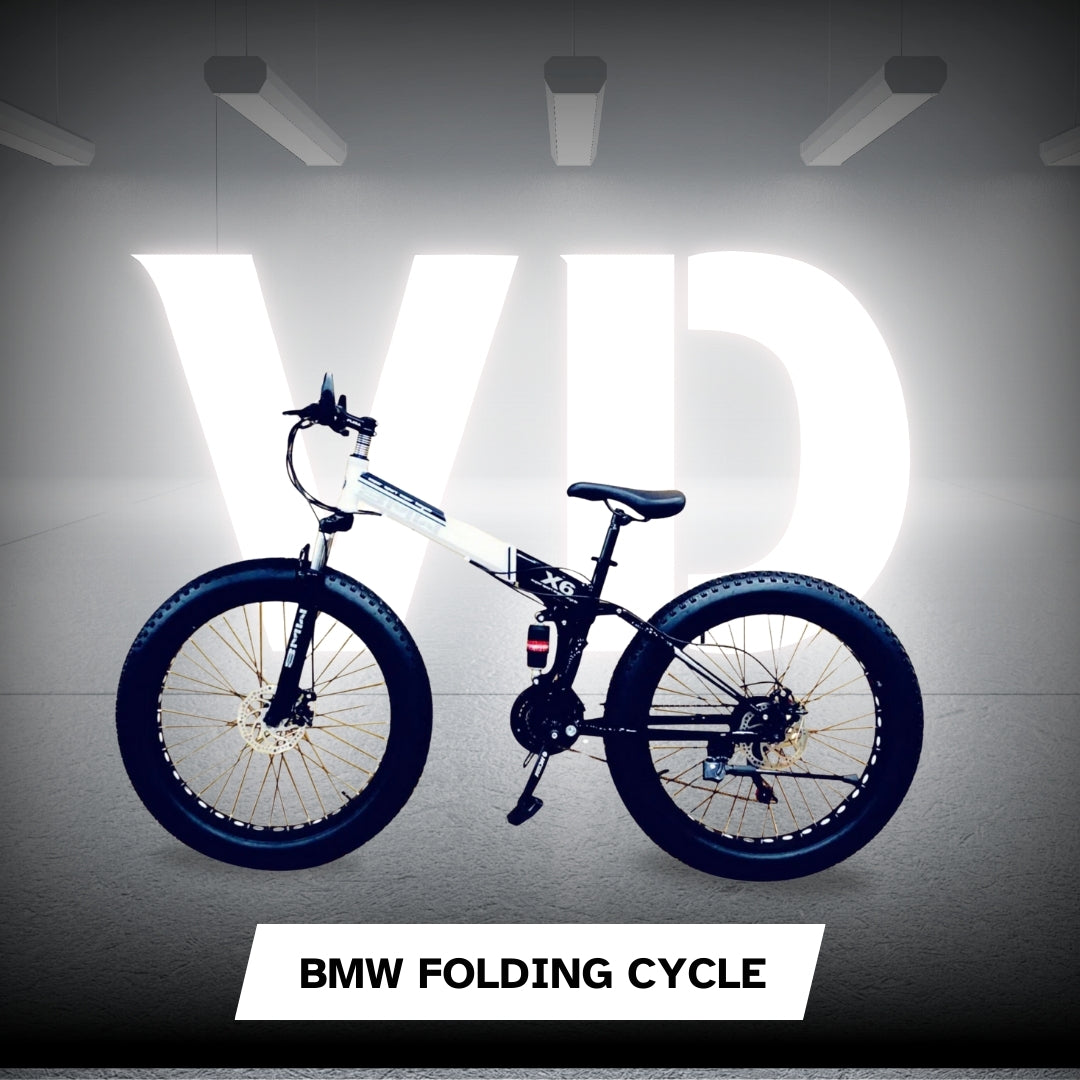
Folding bicycles can be useful when compact storage or easier transport is an important requirement.
City / Everyday Cycle
Simple city bicycles can suit riders who primarily need comfortable everyday transportation on relatively smooth roads.
Which Cycle Is Best for Daily Riding?

For daily riding, practicality is usually more important than having the maximum number of features.
Look for:
- Correct frame and wheel size
- Comfortable riding position
- Suitable tyre width
- Reliable brakes
- Gearing appropriate for the route
- Manageable bicycle weight
- Easy access to service and replacement parts
For mostly flat urban roads, a simple bicycle can be practical. For routes with inclines or varied terrain, multiple gears may provide more flexibility.
Which Cycle Is Best for Fitness Riding?

Fitness riders can consider MTB, hybrid or road bicycles depending on where they ride and the type of cycling they enjoy.
For mixed urban roads, an MTB or hybrid can be practical. Riders focused mainly on efficient paved-road riding may prefer a road-bike setup.
The correct frame size and riding position are important because an unsuitable bicycle can make longer rides less comfortable.
How Important Is Cycle Frame Size?
Frame size is one of the most important parts of choosing the right bicycle. A bicycle can have excellent components but still feel unsuitable if its frame is too large or too small for the rider.
Rider height, inseam, bicycle geometry and the manufacturer's size recommendations should all be considered.

Use the VD Chawla Cycles Cycle Size Guide before selecting a bicycle.
How Important Is Wheel Size?

Wheel size should be considered together with rider height and bicycle category.
Children's bicycles commonly use smaller wheel sizes, while adult bicycles may use larger wheels such as 26T, 27.5T, 29T or 700C depending on the category and model.
Wheel size alone does not determine whether a bicycle will fit correctly.
What Frame Material Should You Look For?
| Material | General Characteristics | What to Consider |
|---|---|---|
| Steel | Strong, familiar and widely used | Weight and specific frame construction |
| Aluminium Alloy | Often lighter than comparable steel designs | Frame design, tubing and overall build |
| Other Materials | Can vary significantly by bicycle | Construction, purpose and price |
Frame material should not be considered by itself. Geometry, construction quality, component specification and correct sizing also influence how a bicycle rides.
How Do Tyres Affect Which Cycle You Should Buy?

Tyres are directly connected to the surfaces where you ride.
- Narrower tyres can suit efficient paved-road riding.
- Moderate-width tyres can work well for everyday mixed urban use.
- Wider treaded tyres can provide more grip on loose or uneven surfaces.
- Fat-bike tyres are much wider and form part of that category's specific riding characteristics.
The correct tyre is therefore a use-case decision rather than simply a matter of appearance.
Should You Buy a Geared or Non-Geared Cycle?
Neither system is automatically right for everyone.
| Feature | Non-Geared | Geared |
|---|---|---|
| Mechanical Complexity | Lower | Higher |
| Maintenance | Generally simpler | More drivetrain components |
| Flat Routes | Often practical | Can provide additional flexibility |
| Inclines | Requires more rider effort | Lower gears can make climbing easier |
| Riding Flexibility | Limited gear range | Multiple gear ratios |

Which Brake System Should You Choose?
The brake system should match the bicycle category, riding conditions and maintenance preference.
V-Brakes
A simple rim-brake design commonly found on many everyday bicycles.
Mechanical Disc Brakes
Use a cable-operated caliper and disc rotor. They are found on many MTB and hybrid bicycles.
Hydraulic Disc Brakes
Use hydraulic pressure to operate the brake caliper and can provide a different lever feel and braking system design.
What Matters Most
Look at the complete bicycle specification rather than choosing a bicycle only because it has "disc brakes".
You can also read our detailed guide: What Is a Hydraulic Disc Brake?
Do You Need Suspension?

Suspension can be useful when the bicycle is ridden over uneven surfaces. A rigid fork can be simpler and lighter and may suit riders who primarily ride smooth roads.
For mixed roads and rougher riding, a front suspension fork may provide additional comfort and control depending on the bicycle.
If you are interested in suspension technology, see our Bicycle Suspension Guide.
How Much Should You Spend on a Cycle?
There is no single price that defines the best bicycle. Budget should be connected to how often you will ride, the bicycle category you need and the specification required.
When comparing bicycles at different prices, look beyond the price tag and check:
- Frame quality and size
- Wheel and tyre specification
- Brake system
- Drivetrain
- Fork type
- Component quality
- Warranty
- Service availability
- Spare-parts availability

Does Brand Matter When Buying a Cycle?
Brand can matter because warranty support, spare-parts availability, service network and product consistency can influence long-term ownership.
However, the exact model still matters. Two bicycles from the same brand can have different frames, components and intended uses.
At VD Chawla Cycles, buyers can compare established brands and different bicycle categories according to their requirements.
Hero
Compare the exact model, frame, size, components and intended use.
Firefox
Consider category, frame, components, riding purpose and current model availability.
Hercules
Compare the specific bicycle's build, size and riding application.
Kross
Look at the individual model's frame, gearing, brakes, wheels and intended use.
What Makes a Bicycle Good for Long-Term Ownership?

Long-term ownership depends on more than the initial purchase price.
Consider:
- Frame construction
- Component quality
- Correct assembly
- Regular maintenance
- Availability of replacement parts
- Warranty support
- Local service support
- How the bicycle is ridden and stored
A bicycle that matches the rider and is maintained properly can provide a better ownership experience than a bicycle chosen only because it has more features.
What Should You Check Before Buying?

- Rider height: Start with correct fit.
- Frame size: Match the bicycle geometry to the rider.
- Wheel size: Choose according to rider and bicycle category.
- Purpose: Commuting, fitness, recreation or off-road use.
- Terrain: Smooth roads, mixed roads, gravel or trails.
- Tyres: Match width and tread to the surface.
- Gears: Decide whether multiple ratios are actually needed.
- Brakes: Compare the actual braking system.
- Fork: Decide between rigid and suspension.
- Service: Check warranty and parts availability.
Which Cycle Is Best for a Beginner?
For a beginner, the best starting point is usually the bicycle category that matches the rider's actual route and purpose rather than the bicycle with the longest feature list.
A beginner who mainly rides smooth city roads may need a different bicycle from someone who wants fitness rides on mixed surfaces. Correct size and comfortable riding position should come before advanced components.

Where Can You Compare Cycles?
VD Chawla Cycles offers different bicycle categories and brands, allowing buyers to compare models according to their riding requirements.
Browse the Cycles Collection to see the currently available bicycles.
For riders who want MTB bicycles, visit the MTB Cycles Collection.
For road-focused bicycles, visit the Road Bikes Collection.
Cycle Accessories
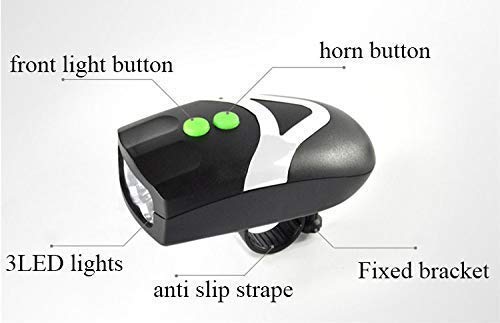
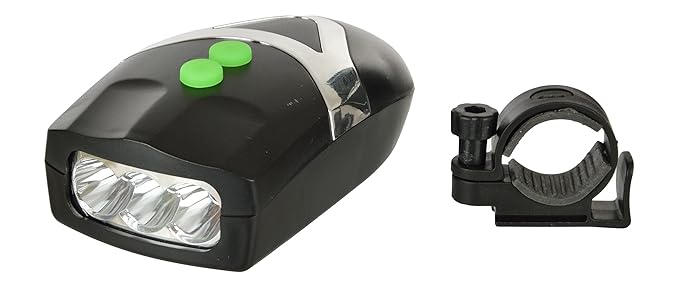
Once you have selected the bicycle, choose accessories according to your actual riding requirements. Common bicycle accessories include helmets, locks, lights, pumps, bottle holders, mudguards and basic maintenance equipment.
You can browse cycling accessories and riding products through the VD Chawla Cycles Amazon Storefront.
Affiliate disclosure: Some links may be affiliate links. If you purchase through an affiliate link, VD Chawla Cycles may earn a commission at no additional cost to you.
Frequently Asked Questions
Which cycle is best?
There is no single cycle that is best for everyone. The right bicycle depends on rider height, riding purpose, terrain, bicycle category, budget and required features.
How do I choose the best cycle?
Start with the rider's height and purpose. Then compare the bicycle category, frame size, wheel size, tyres, gears, brakes, fork, weight, warranty and service support.
Which type of cycle is best for daily use?
The suitable type depends on the roads and distance. City and hybrid bicycles can suit many urban riders, while MTB bicycles can be considered for mixed or rougher routes.
Is MTB a good choice for beginners?
An MTB can be a suitable beginner bicycle when the rider wants to use it on mixed roads, fitness rides or rougher surfaces. The correct size remains important.
Is a geared cycle better than a non-geared cycle?
Not automatically. Geared bicycles provide more gear ratios for varied terrain, while non-geared bicycles have a simpler drivetrain and can suit riders who prioritise simplicity.
What should I check first when buying a cycle?
Check rider fit and intended use first. After that, compare frame, wheel size, tyres, brakes, gears, fork, weight and service support.
Does an expensive cycle mean it is better?
Not necessarily. A more expensive bicycle may have higher-specification components, but the right choice depends on whether those features are useful for your riding.
Does bicycle brand matter?
Brand can matter for warranty, service and spare-parts support, but the exact bicycle model and its specifications should also be evaluated.
Useful Bicycle Guides From VD Chawla Cycles
Cycle Size Guide
Find the correct cycle size
MTB Cycles
Explore MTB Cycles
Road Bikes
Explore Road Bikes
700C Cycles
Explore 700C Cycles
All Cycles
Browse All Cycles
Service & Repair
Cycle Service & Repair
Watch & Buy
Watch & Buy Cycles
Contact
Contact VD Chawla Cycles
Ready to Choose Your Cycle?
Start with your riding purpose and correct size, then compare the bicycle category and specifications that actually matter for your use.
Conclusion
So, which cycle is best? The answer depends on the rider. There is no universal bicycle that is ideal for every person, every road and every budget.
Start with the rider's height and purpose. Then choose the appropriate bicycle category and compare frame size, wheel size, tyres, gears, brakes, fork, weight, brand support and service availability.
The goal is not to buy the bicycle with the most features. The goal is to buy a bicycle whose features actually match the way you ride.