
















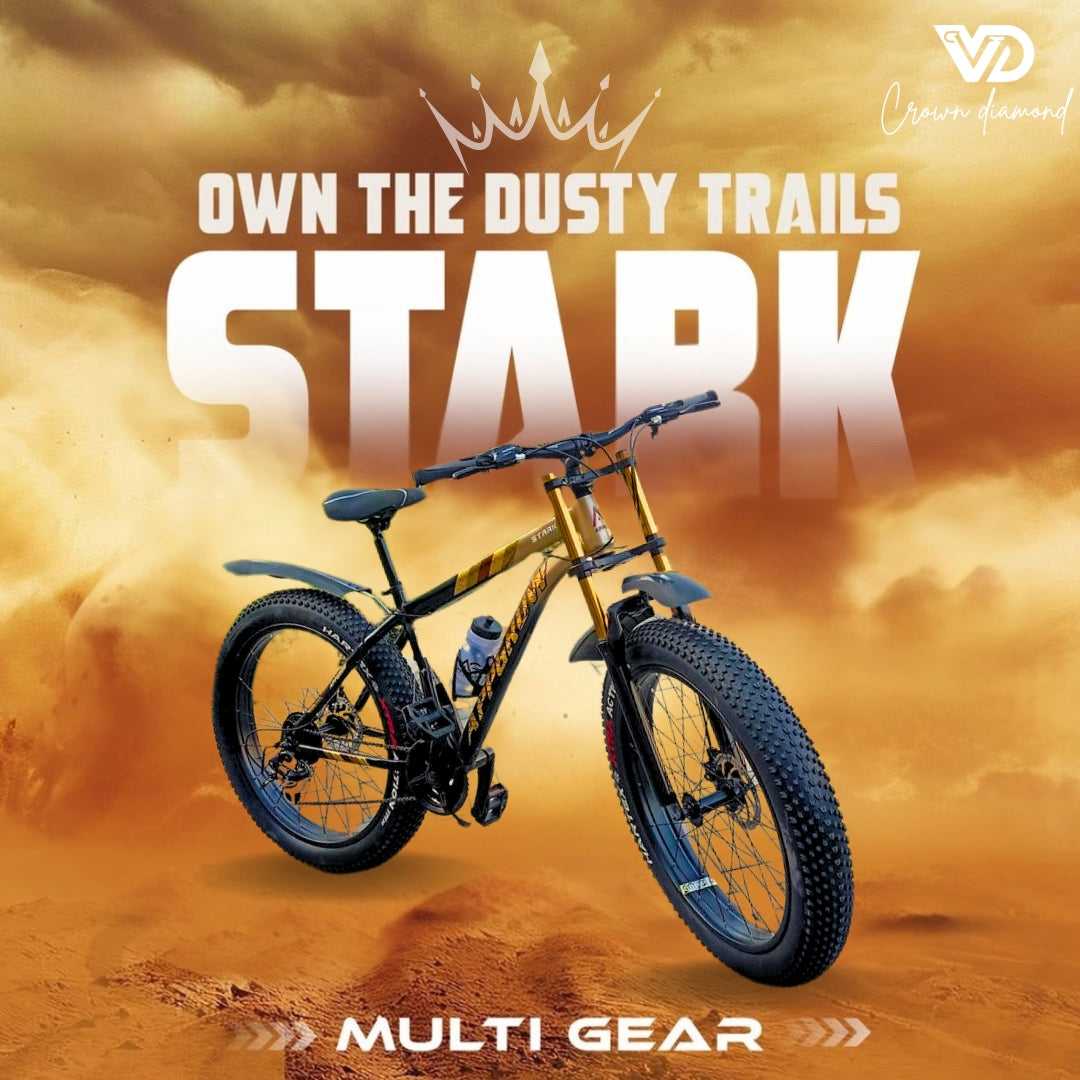

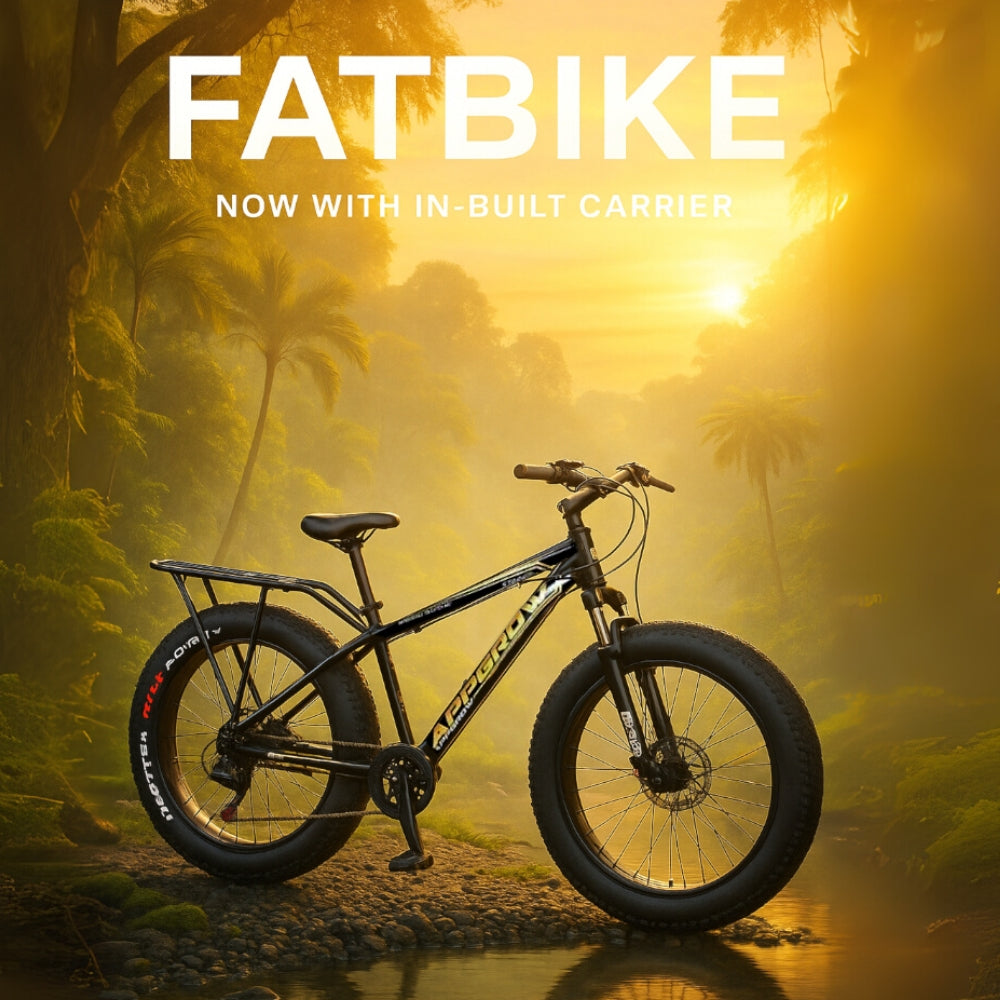


What Is an MTB Cycle? Complete Guide to Mountain Bikes in India

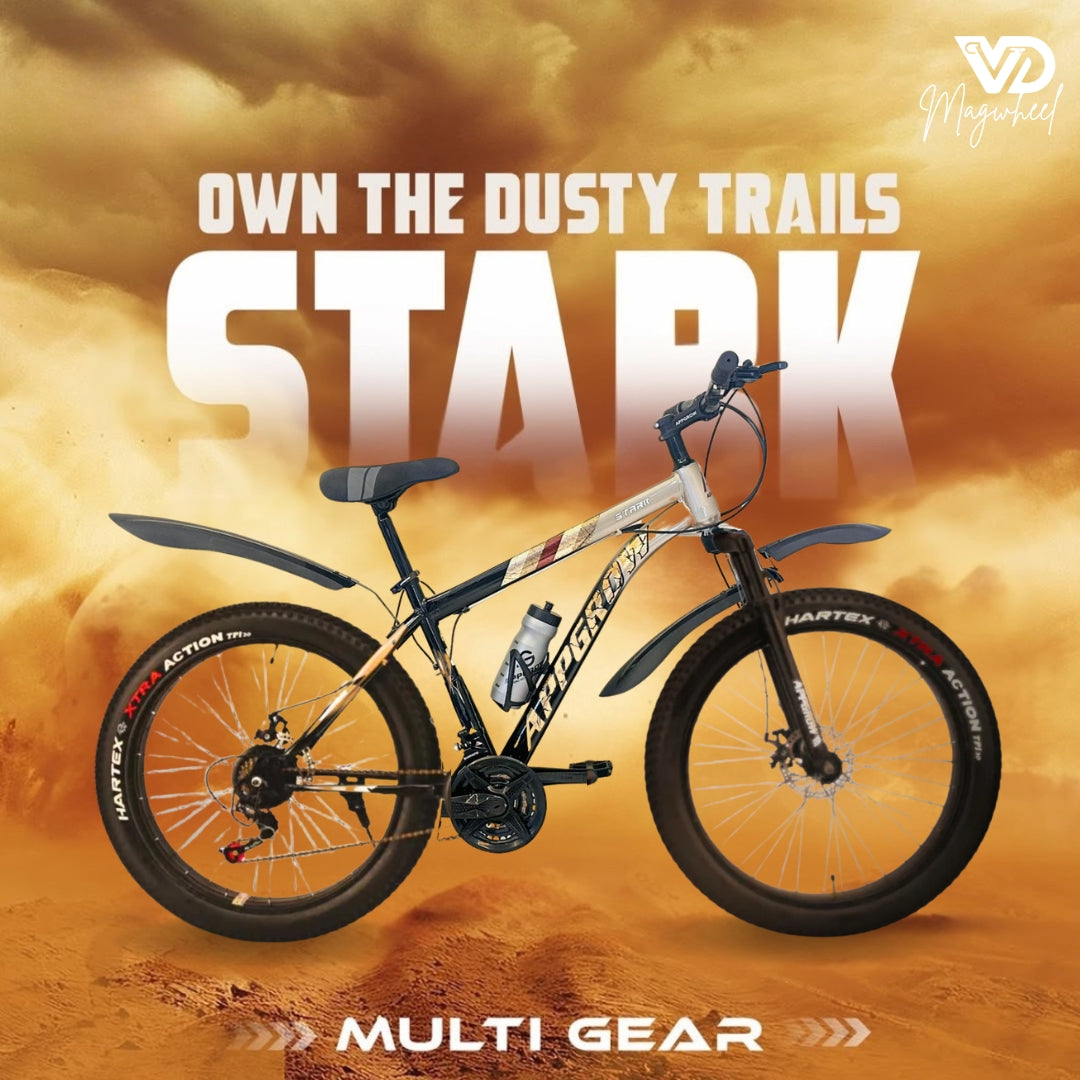
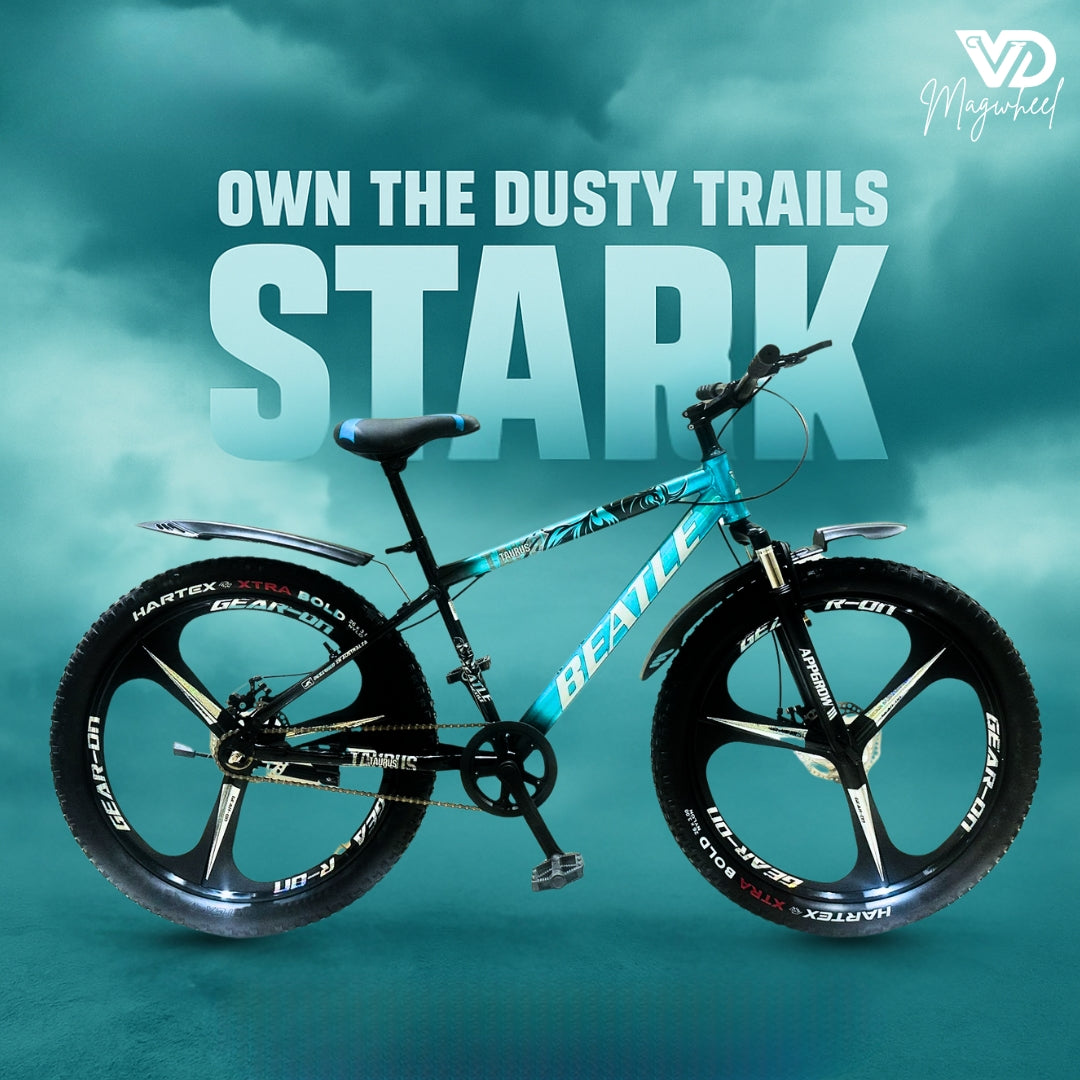
MTB stands for Mountain Bike. It is designed for varied and uneven terrain and commonly features wider tyres, a stronger frame, suspension depending on the model, gears depending on the model, and braking systems suited to rougher riding conditions.
Introduction
If you have searched for what an MTB cycle actually is, you are not alone. MTB is short for Mountain Bike, a category of bicycle originally built to handle uneven and off-road surfaces. Over time, MTB cycles have become one of the most searched and purchased bicycle types in India, largely because they can handle a mix of road conditions rather than just smooth, well-paved streets.
The main difference between an MTB and a basic bicycle usually comes down to the tyres, frame strength, suspension, gearing and braking setup. A basic single-speed cycle is generally built for flat, predictable surfaces, while an MTB is built with some extra tolerance for bumps, gravel and uneven patches.
An MTB can be worth considering for riders who deal with broken roads, unpaved stretches, light trails, or simply want a sturdier bicycle for daily commuting, fitness riding or occasional off-road use.

What Makes a Bicycle an MTB?
A few features generally set an MTB apart from a standard bicycle:
- Wider tyres with deeper tread for better grip on loose or uneven surfaces.
- A stronger frame built to handle repeated bumps and vibrations.
- Suspension, on many models, to absorb shocks from rough terrain.
- Multiple gears, on many models, to help with inclines and varied surfaces.
- Disc or rim brakes suited to controlled stopping in mixed conditions.
- An upright to slightly forward riding position for better control on uneven ground.
Why Are MTB Cycles Popular in India?

Indian roads vary a lot from one street to the next. Even within the same city, a rider might move between smooth tarmac, broken patches, gravel near construction sites, and unpaved shortcuts. This mix is one reason MTB cycles have found steady demand across Indian cities and towns.
MTB cycles are commonly used for fitness riding, daily commuting, college riding and recreational weekend rides. It is worth noting that not every MTB is suitable for every kind of terrain — entry-level MTBs are generally built for light off-road use and mixed city riding, while more advanced models are built for tougher trail conditions.

Where Can You Ride an MTB?
MTB cycles are generally versatile enough for several everyday and recreational uses:
- City riding on mixed road surfaces
- Daily commuting to work, college or errands
- Fitness and cardio riding
- College campus riding
- Gravel roads and light trails
- Uneven or broken road stretches
- Recreational weekend cycling
For serious trail riding or technical off-road terrain, the suitable MTB category and specification depend on the specific model and its build.
What Are the Main Parts of an MTB Cycle?

MTB Frame

The frame is the structural base of the bicycle. MTB frames are typically built from materials such as steel or aluminium alloy, designed to handle repeated stress from uneven surfaces while keeping the bicycle manageable to ride.

Suspension Fork

Many MTB cycles include a front suspension fork, which absorbs shocks from bumps and uneven ground. Suspension travel and quality vary by model and price point.

MTB Tyres

MTB tyres are generally wider than those on basic bicycles, with a tread pattern designed to grip loose surfaces such as gravel, mud or sand, in addition to regular roads.

MTB Gears

Depending on the model, an MTB may come with multiple gears that help riders manage inclines, varied terrain and different speeds more comfortably than a single-speed bicycle.

MTB Brakes

MTB cycles commonly use disc brakes (mechanical or hydraulic) or rim brakes, depending on the model and price segment, chosen to provide reliable stopping power across varied conditions.
Brakes and gears need periodic tuning to stay sharp. Book a tune-up at our Cycle Service & Repair center.

MTB vs Normal Cycle
| Feature | MTB | Basic Cycle |
|---|---|---|
| Tyres | Wider, treaded for grip | Narrower, made for smooth roads |
| Terrain | Mixed roads, gravel, light trails | Primarily flat, paved roads |
| Suspension | Often present, depending on model | Usually absent |
| Gears | Often multiple, depending on model | Often single-speed |
| Riding Style | Upright to slightly forward, control-focused | Upright, comfort-focused |
Both types of bicycles suit different riding needs, and neither is an overall replacement for the other.
Hardtail MTB vs Full Suspension MTB

Hardtail MTB: Generally has front suspension only, with a rigid rear frame. Hardtails are typically lighter and easier to maintain.
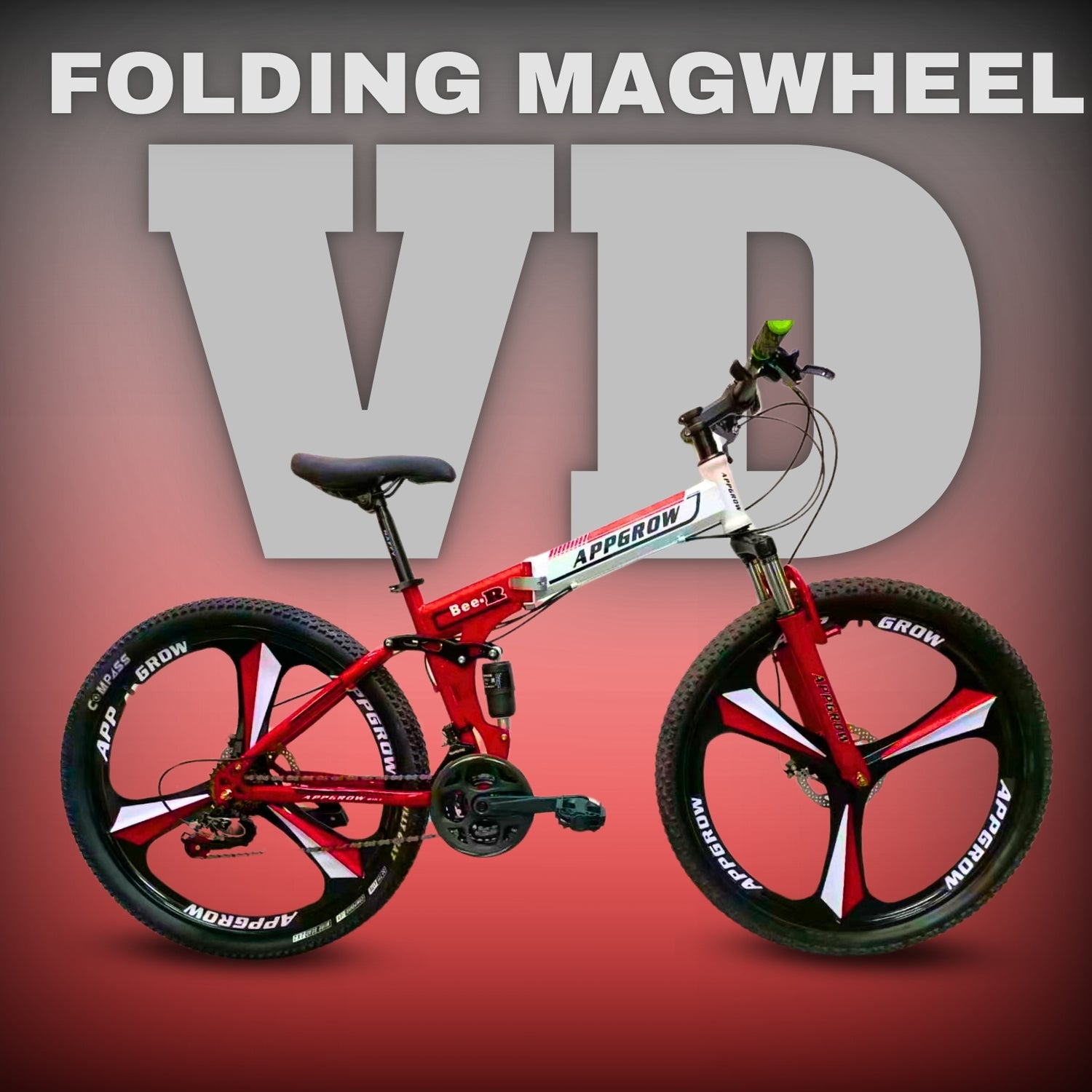
Full Suspension MTB: Has both front and rear suspension, which can help absorb impact on rougher terrain. Full suspension bicycles are often heavier and can involve more maintenance than hardtails.
The right choice depends on the type of terrain a rider expects to cover most often, along with budget and maintenance preference.
Which MTB Wheel Size Should You Choose?

| Wheel Size | Typical Use |
|---|---|
| 24T | Commonly found on smaller or junior bicycles |
| 26T | Traditional MTB size, still available on many models |
| 27.5T | Popular adult MTB wheel size |
| 29T | Popular modern adult MTB wheel size |
Wheel size should be selected based on rider height, frame size, bicycle geometry and the manufacturer's recommendation. No single wheel size is universally the right choice for every rider or every use case.
Popular MTB Picks at VD Chawla Cycles
Hercules Grunge FX DD MTB
A single-speed MTB available in 26T, 27.5T and 29T wheel sizes.
View DetailsHow to Choose an MTB Cycle in India

- Riding purpose
- Wheel size
- Frame
- Suspension
- Brakes
- Gears
- Tyres
- Frame size
- Riding conditions
- Overall specifications
Not sure which model to pick? See real video reviews and compare deals before you buy.
Watch & Buy CyclesIs an MTB Good for Daily Use?

An MTB can be a suitable choice for commuting, fitness riding, college use and general city riding, as long as the specific model's specifications match the rider's needs and typical routes. Riders who mainly stick to smooth, paved roads and prioritise riding efficiency may also want to consider hybrid or road bicycles, which are built with that kind of riding in mind.
Ready to find your fit?
Explore bicycles at VD Chawla Cycles
Frequently Asked Questions About MTB Cycles
What does MTB stand for?
MTB stands for Mountain Bike, a bicycle category built for varied and uneven terrain.
What is an MTB cycle used for?
It is commonly used for commuting, fitness riding, college riding, gravel roads, light trails and recreational cycling.
Is an MTB good for Indian roads?
Many MTB models are well suited to the mixed road conditions found in Indian cities and towns, though suitability depends on the specific model and the terrain involved.
Is MTB good for beginners?
Entry-level MTB models are generally accessible for beginners, particularly for city riding, fitness use and light off-road conditions.
What is the difference between MTB and a normal cycle?
MTB cycles typically have wider tyres, a stronger frame, optional suspension and gearing, and brakes suited to varied terrain, while basic cycles are generally built for smooth, flat roads.
What is the difference between hardtail and full-suspension MTB?
A hardtail generally has front suspension only, while a full-suspension MTB has both front and rear suspension.
Which MTB wheel size is best?
There is no single best wheel size. The right choice depends on rider height, frame size, geometry and the manufacturer's recommendation.
Why Riders Trust VD Chawla Cycles
Prefer to see the bikes in person? Visit our Faridabad store for a hands-on look before you buy.
Conclusion
Choosing the right MTB comes down to matching riding purpose, frame size, wheel size, brakes, suspension, tyres, gears and overall specifications to your actual riding needs, rather than picking based on a single feature alone.
Explore more bicycle information and buying guides from VD Chawla Cycles.
Visit vdchawlacycles.com