



























What Is Lockout Suspension? How Bicycle Fork Lockout Works
Lockout suspension is a feature on some bicycle suspension forks that allows the rider to restrict or lock the fork's suspension movement when suspension movement is not required.

What Is Lockout Suspension?
Lockout suspension is a feature built into some suspension forks that allows the rider to restrict the movement of the fork. The control may be located directly on the top of the fork crown or connected through a remote control on the handlebar, depending on the fork design.
When the fork is open, the suspension can compress and rebound as the front wheel encounters bumps. When the lockout is engaged, fork movement is restricted according to the design and adjustment of that particular suspension system.

Why Do Suspension Forks Have a Lockout?
Suspension is useful when the front wheel needs to move over uneven terrain. However, on smoother roads, some riders may prefer a firmer front-end feel with less suspension movement.
A lockout gives the rider a way to change the fork's behaviour according to the surface being ridden. The exact effect depends on the fork design, lockout mechanism and riding conditions.
Open Mode
The fork is allowed to move and respond to bumps, uneven surfaces and impacts within its available travel.
Locked or Restricted Mode
Fork movement is significantly restricted to provide a firmer feel on smoother surfaces.
How Does a Suspension Fork Lockout Work?
The lockout mechanism changes how the fork's internal damping or oil-control system allows movement. Depending on the fork design, engaging the lockout restricts the internal movement of the fork.
The exact mechanism differs between suspension fork models. Therefore, the words "lockout" or "locked" should not automatically be interpreted as meaning that every fork becomes completely immovable under every condition.

Main Parts Related to Fork Lockout
Lockout Dial
A control that allows the rider to change the fork between its available open and restricted settings.
Fork Crown
The upper structure connecting the fork legs and steering assembly. Some forks place the lockout control near the crown.
Stanchions
The upper fork tubes move inside the lower legs as the suspension operates.
Lower Legs
The lower fork assembly supports the front wheel and contains parts of the suspension system.
Lockout Dial on a Suspension Fork

Where Is the Lockout Control?
On many suspension forks, the lockout control is located on or near the top of the fork crown. The rider can rotate or operate the control to change the fork's behaviour.
The exact markings and direction of operation vary between manufacturers and fork models.
Remote Lockout vs Crown Lockout

Two Common Lockout Control Locations
A crown lockout is operated directly at the fork. A remote lockout places the control on the handlebar so the rider can change the setting without removing a hand from the normal riding position.
Remote systems can be convenient when riders frequently change between smooth and rough surfaces.
Open Suspension vs Lockout

| Feature | Open Suspension | Lockout / Restricted |
|---|---|---|
| Fork Movement | Allows suspension movement | Movement is significantly restricted |
| Typical Surface | Rough or uneven surfaces | Smoother roads and paved surfaces |
| Comfort Over Bumps | Suspension can absorb impacts | Less suspension movement |
| Front-End Feel | More active | Firmer |
| Purpose | Control and impact absorption | Reduced unwanted fork movement |
What Happens When Lockout Is Engaged?

When lockout is engaged, the fork is designed to resist or restrict normal suspension movement. This can create a firmer feeling at the front of the bicycle on smooth surfaces.
A quality suspension fork may still include protection against excessive forces even when the lockout is engaged. The exact behaviour depends on the fork's internal design.
When Should You Use Suspension Lockout?
Lockout is generally most useful when the riding surface is smooth enough that active suspension movement is not needed. Examples can include paved roads, smooth cycle paths and some steady climbing situations.

When Should You Keep the Suspension Open?
On rough roads, gravel, broken surfaces, trails and other uneven terrain, an open suspension fork can allow the front wheel to respond to surface changes more freely.
Keeping the fork open can therefore be useful when impact absorption and front-wheel control are more important than reducing suspension movement.

Lockout Suspension on MTB Cycles

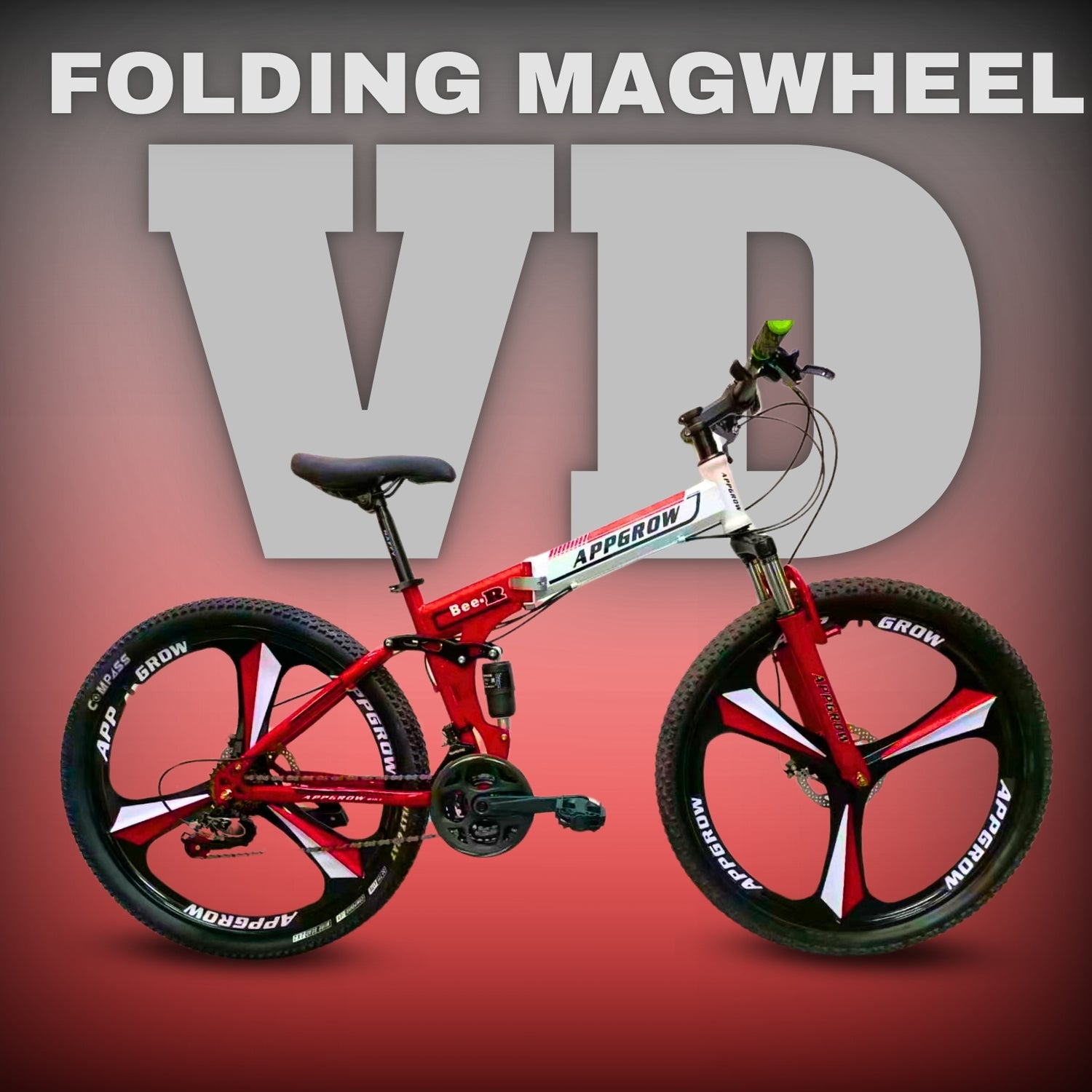
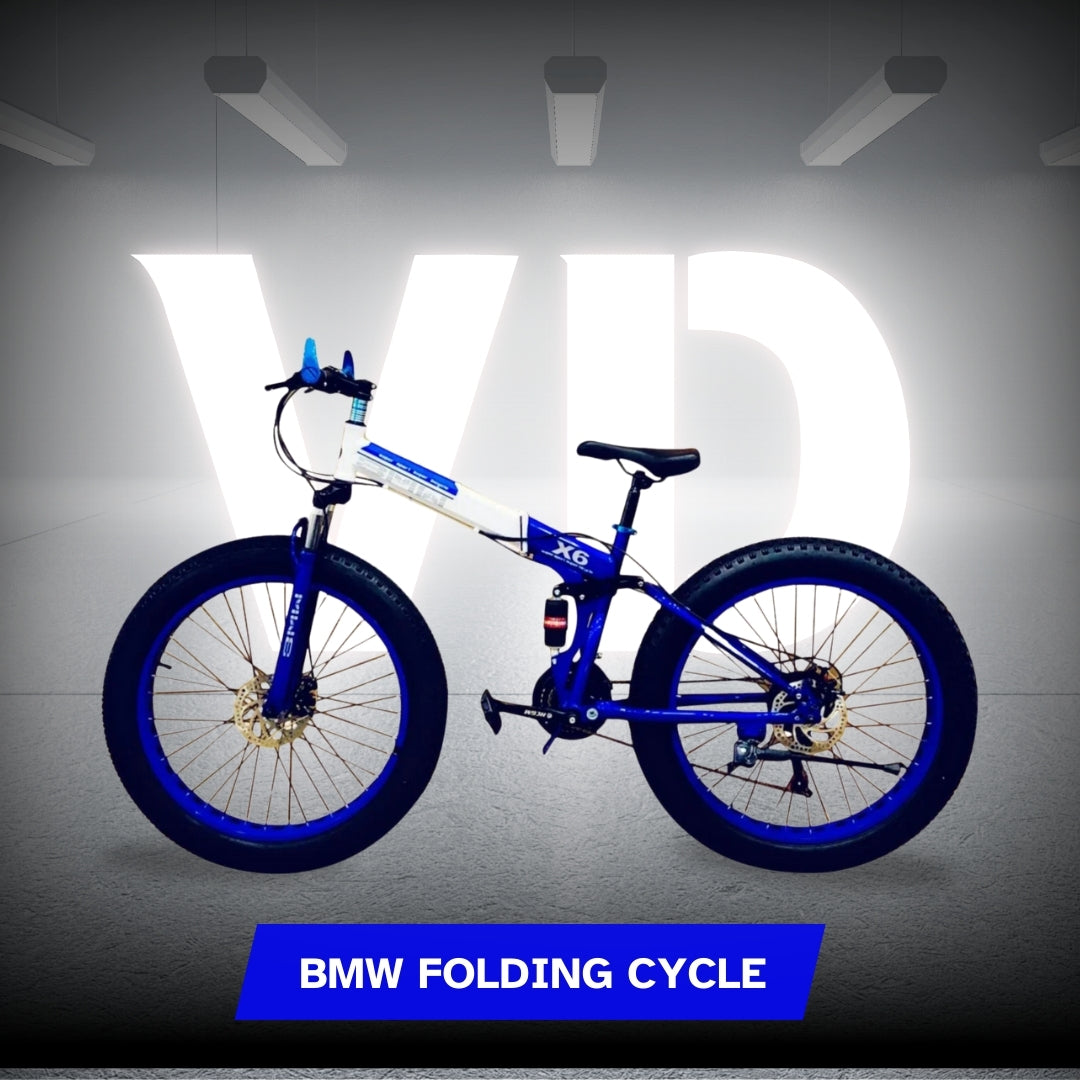
Lockout is particularly common on suspension-equipped MTB and hybrid bicycles. It can give riders more control over how the front fork behaves when moving between paved roads and rougher surfaces.
For riders comparing mountain bikes, you can explore the MTB Cycles collection at VD Chawla Cycles.
Is Lockout Useful on Indian Roads?
Indian cycling routes can change quickly between smooth pavement, broken roads, speed breakers, rough patches and uneven shoulders. A lockout-equipped suspension fork gives the rider another way to adjust the fork's behaviour as the surface changes.
However, the correct setting depends on the actual road surface and the fork's design. Lockout should not be treated as a replacement for suspension when the terrain requires active fork movement.
Lockout Suspension vs Rigid Fork

| Feature | Lockout Suspension Fork | Rigid Fork |
|---|---|---|
| Suspension | Available when fork is open | No suspension movement |
| Lockout | Available on compatible forks | Not applicable |
| Rough Surface | Can provide impact absorption when open | Transfers more road/trail feedback |
| Smooth Surface | Can be restricted using lockout | Always rigid |
| Weight | Generally more components and weight | Generally simpler |
Does Lockout Make a Bicycle Faster?
Lockout does not automatically make a bicycle faster. Its purpose is to restrict suspension movement. On smooth surfaces, reducing unwanted fork movement may give some riders a firmer and more efficient-feeling front end.
Actual cycling speed depends on many factors, including rider fitness, bicycle geometry, tyres, gearing, road surface, wind and riding position.
Common Lockout Suspension Mistakes
Using Lockout on Every Surface
A locked or restricted fork is not necessarily the appropriate setting for rough terrain where suspension movement can be useful.
Ignoring Manufacturer Instructions
Different forks use different internal systems. Always follow the manufacturer's instructions for operation and servicing.
Forcing the Lockout
The control should be operated according to the fork manufacturer's specified procedure rather than being forced beyond its intended range.
Ignoring Fork Maintenance
Lockout is only one part of a suspension fork. Regular cleaning, inspection and appropriate servicing remain important.
Suspension Fork Maintenance

Keep the exposed fork surfaces clean and inspect the fork regularly for dirt, damage, unusual oil residue or changes in suspension behaviour.
Internal suspension servicing should follow the manufacturer's recommended procedure and service intervals.
For professional bicycle servicing, visit VD Chawla Cycles Service & Repair.
How to Choose a Suspension Fork With Lockout

- Check whether the fork actually includes a lockout function.
- Check whether the lockout is crown-operated or remote-operated.
- Consider the intended riding terrain.
- Check wheel-size compatibility.
- Check frame and headset compatibility.
- Consider suspension travel and fork specification.
- Check the manufacturer's recommended maintenance requirements.
- Choose the complete bicycle based on your riding needs rather than lockout alone.
For help choosing the correct bicycle size, use the VD Chawla Cycles Cycle Size Guide.
Frequently Asked Questions
What is lockout suspension?
Lockout suspension is a feature that restricts the movement of a bicycle suspension fork when the rider wants a firmer front-end feel on smoother surfaces.
How does a bicycle fork lockout work?
The lockout changes the fork's internal operation so that normal suspension movement is significantly restricted. The exact mechanism varies between fork designs.
What is the difference between open and locked suspension?
Open suspension allows the fork to move and respond to uneven surfaces. Lockout restricts that movement to provide a firmer feel.
What is a remote lockout?
A remote lockout places the suspension fork's control on the handlebar, allowing the rider to change the fork setting from the riding position.
What is a crown lockout?
A crown lockout is operated directly from a control located on or near the top of the suspension fork.
Should I use lockout on rough roads?
Generally, suspension movement can be useful on rough and uneven surfaces. The appropriate setting depends on the terrain and the specific fork.
Does every suspension fork have lockout?
No. Lockout is a feature available on some suspension forks and is not present on every model.
Does lockout completely stop suspension movement?
Not necessarily. The exact behaviour depends on the fork's internal design. Some systems restrict movement rather than making the fork absolutely immovable.
Explore Bicycle Guides and Cycles at VD Chawla Cycles
Cycles:
Browse All Cycles
MTB Cycles:
Explore MTB Cycles
Cycle Size Guide:
Find the Right Cycle Size
Service & Repair:
Cycle Service & Repair
Watch & Buy:
Watch & Buy Cycles
Contact:
Contact VD Chawla Cycles
Find the Right Bicycle for Your Riding Style
If you are comparing suspension bicycles, look at the complete specification including fork type, lockout, wheel size, tyres, gears, frame and intended riding conditions.
Conclusion
Lockout suspension allows a compatible bicycle suspension fork to restrict its movement when a firmer front-end feel is preferred. Open suspension is useful when the front wheel needs to respond to bumps and uneven terrain, while lockout can be useful on smoother surfaces.
When choosing a bicycle with suspension lockout, consider the complete fork specification, riding terrain, wheel size, frame compatibility, maintenance requirements and overall bicycle setup rather than choosing the lockout feature alone.