























What Is Bicycle Suspension? Front Suspension vs Full Suspension Explained

Bicycle suspension is a system designed to absorb and control impacts from uneven surfaces. Most MTB suspension systems use a suspension fork at the front, while full-suspension mountain bikes have both front and rear suspension.
What Is Bicycle Suspension?

Bicycle suspension helps the bicycle and rider deal with bumps, roots, rocks and uneven terrain. Suspension is especially common on mountain bikes designed for off-road riding.
A bicycle may have a rigid fork, front suspension or both front and rear suspension depending on its design and intended use.
What Is a Suspension Fork?

A suspension fork is the front suspension system fitted between the front wheel and bicycle frame. It allows controlled movement when the front wheel encounters impacts.
Suspension Fork Anatomy

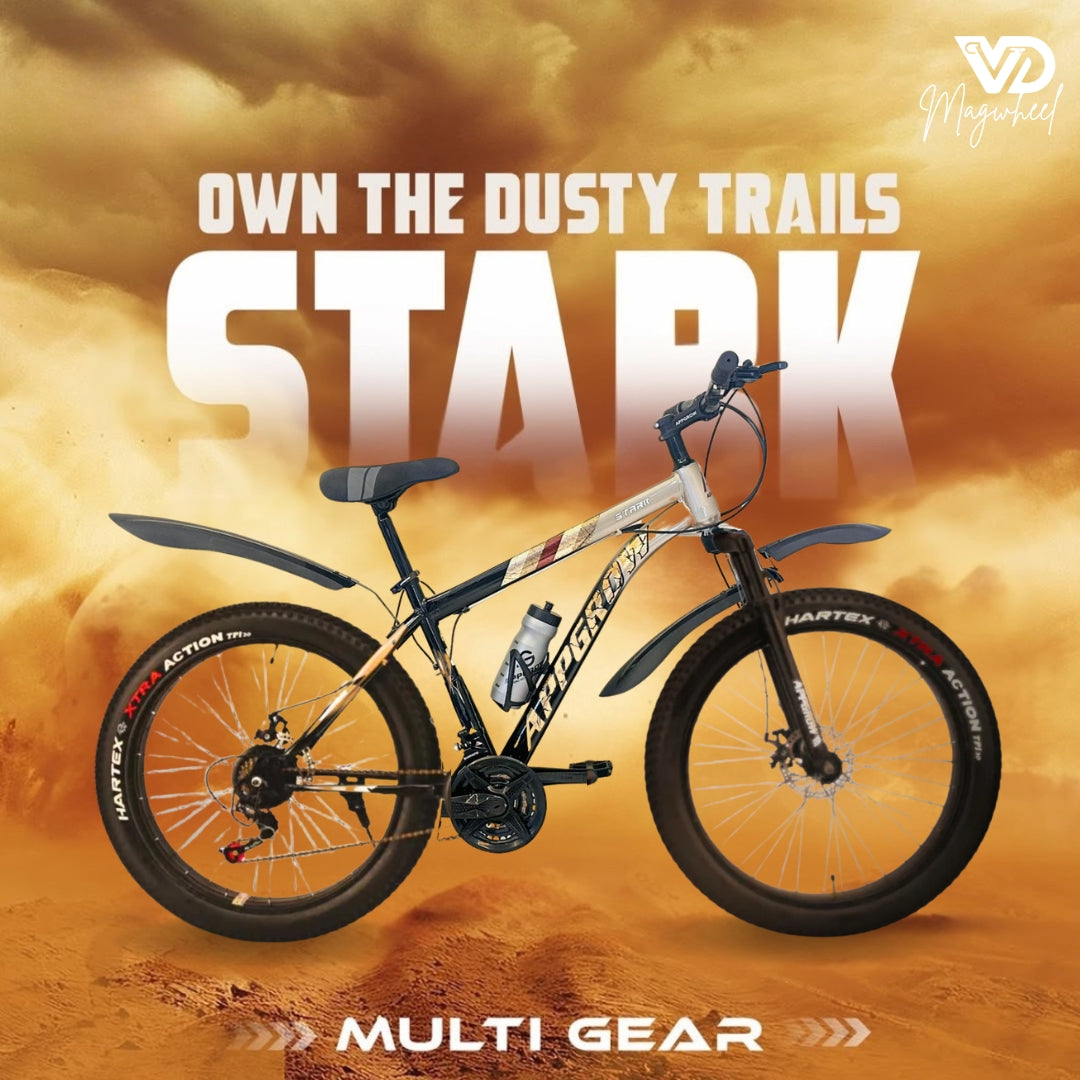
- Stanchions: upper tubes that move into the lower legs.
- Crown: connects the fork structure around the steerer.
- Lower legs: contain the lower portion of the suspension assembly.
- Axle: connects the front wheel to the fork.
- Steerer: connects the fork to the bicycle frame.
What Are Suspension Stanchions?

Stanchions are the smooth upper tubes of many suspension forks. They slide into the lower legs as the fork compresses and returns.
Keeping exposed stanchion surfaces clean and following the manufacturer's maintenance recommendations is important.
What Is the Fork Crown?

The fork crown is the structural part that joins the fork legs around the steerer area. It is an important part of the front suspension assembly.
What Are Suspension Fork Lower Legs?

The lower legs house the lower portion of the fork assembly and guide the movement of the stanchions during compression and rebound.
Rigid Fork vs Suspension Fork

| Feature | Rigid Fork | Suspension Fork |
|---|---|---|
| Movement | No suspension travel | Controlled fork movement |
| Comfort on bumps | Depends on tyres and setup | Can improve control on rough terrain |
| Weight | Often lighter | Generally more components |
| Typical use | Road, city and simple riding | MTB and uneven terrain |
How Does Bicycle Suspension Work?

When the front wheel hits an obstacle, the suspension compresses to absorb and manage the impact. After compression, the fork returns toward its original position through rebound control.
What Is Compression?

Compression describes the movement of the suspension as it moves inward when the wheel encounters an impact or load.
What Is Rebound?

Rebound describes the return movement of the suspension after compression. Rebound control can influence how quickly the fork returns.
Hardtail vs Full Suspension MTB

| Feature | Hardtail | Full Suspension |
|---|---|---|
| Front suspension | Yes | Yes |
| Rear suspension | No | Yes |
| Weight | Generally lower | Generally higher |
| Maintenance | Usually simpler | More suspension components |
| Terrain | Roads and many trails | Rougher technical terrain |
Hardtail MTB Suspension

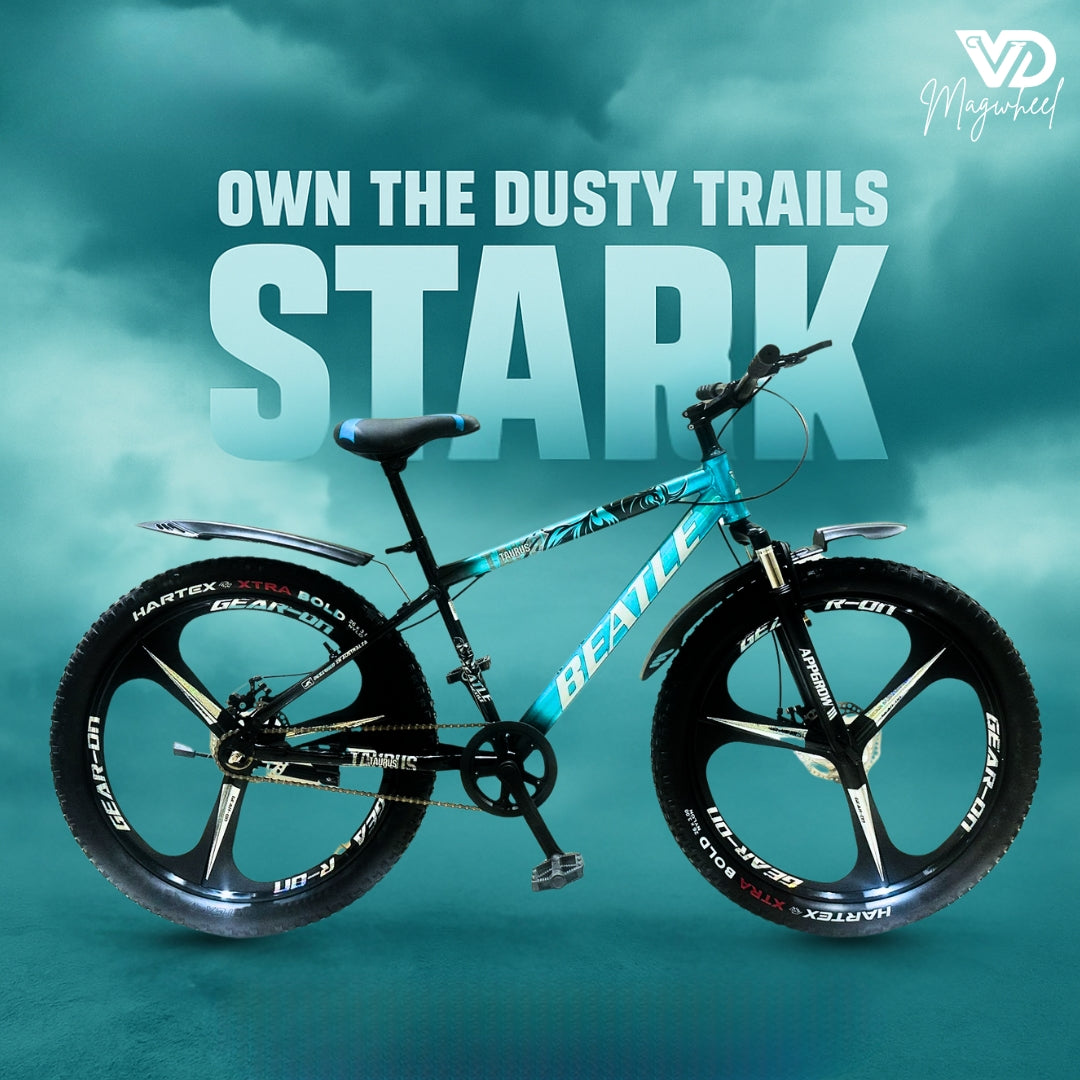
A hardtail MTB has suspension at the front but no rear suspension. It offers a simpler design and is commonly used for recreational trails, fitness and mixed off-road riding.
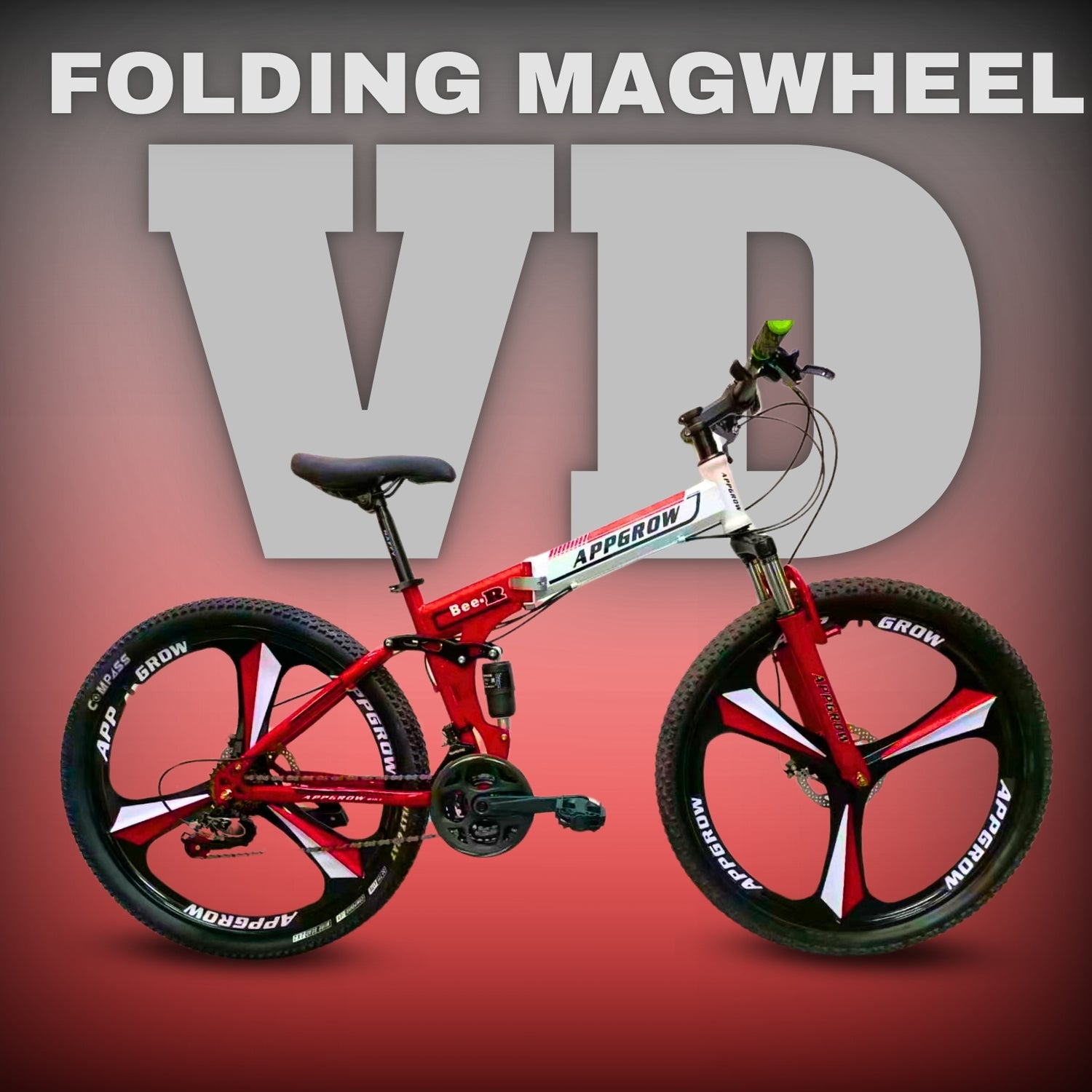
Full Suspension MTB

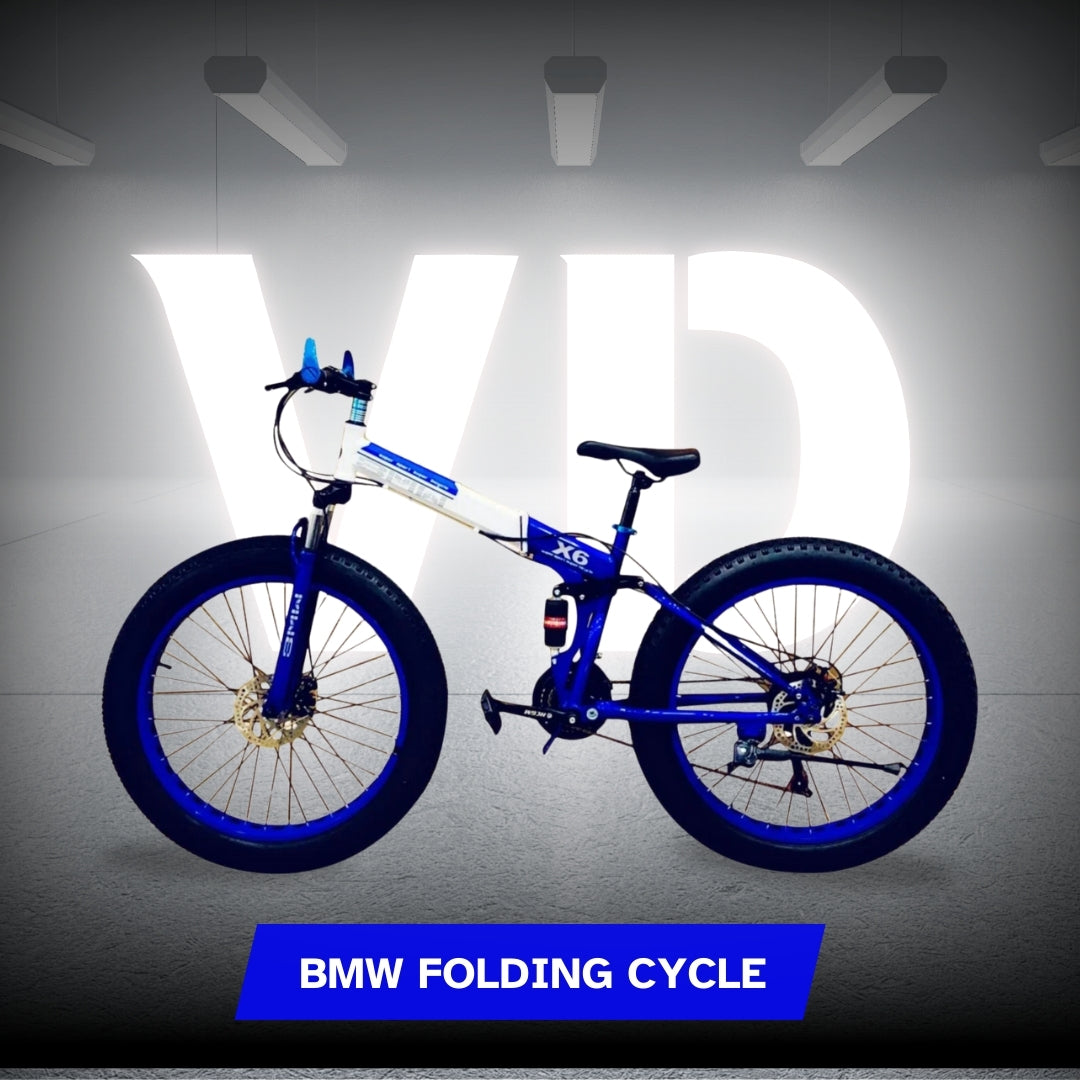
A full-suspension MTB uses both a suspension fork and a rear shock. The additional suspension can help manage rougher terrain, depending on the bicycle design and setup.
What Is Suspension Lockout?

Lockout is a feature available on some suspension forks that restricts suspension movement. It can be useful on smoother surfaces where reduced fork movement is preferred.
Is Suspension Useful on Indian Roads?

Suspension can be useful when riding over uneven roads, broken surfaces and off-road trails. However, not every bicycle needs suspension. Road bikes and many city bicycles may use rigid forks because they are designed for smoother surfaces.
Does Every MTB Need Suspension?
No. The appropriate suspension setup depends on the terrain, bicycle category and intended use. A recreational rider may choose a hardtail, while riders targeting rougher trails may consider a full-suspension design.
How to Choose a Bicycle Suspension

Consider road, trail or technical terrain.
Check rigid or suspension fork.
Check the manufacturer's stated suspension travel.
Check whether the fork provides lockout.
Follow the manufacturer's service requirements.
Frame size and bicycle fit remain important.
MTB Cycles at VD Chawla Cycles
Explore the MTB Cycles collection at VD Chawla Cycles to compare available mountain bikes and their specifications.
Compare suspension type, frame size, brakes, gears and intended use before buying.
Explore MTB CyclesFrequently Asked Questions
Bicycle suspension is a system designed to absorb and control impacts from uneven surfaces.
A suspension fork is the front suspension system fitted between the front wheel and bicycle frame.
Stanchions are the smooth upper tubes that move into the lower legs during fork compression and rebound.
A hardtail MTB has front suspension but no rear suspension.
A full-suspension MTB has both front suspension and a rear shock.
Lockout restricts suspension movement on forks that provide this feature.
It can help on uneven surfaces, but many city and road bicycles use rigid forks because they are designed for smoother surfaces.
Not necessarily. Suspension should match the bicycle's intended terrain, design and rider requirements.
Useful Resources
Conclusion
Bicycle suspension helps manage impacts and uneven terrain. A suspension fork provides front suspension, while a full-suspension MTB combines a front fork with a rear shock. When choosing a bicycle, consider the terrain, suspension type, travel, lockout, maintenance requirements and rider fit rather than choosing suspension based on appearance alone.