



















Which Bicycle Lasts Longest? Complete Bicycle Durability & Longevity Guide for India
A bicycle's lifespan depends on more than its brand or frame material. Frame construction, component quality, riding conditions, maintenance, storage and frequency of use can all affect how long a bicycle remains reliable and comfortable to ride.
There is no single bicycle that lasts longest in every situation. Long-term durability depends on the bicycle's frame, components, assembly quality, maintenance, riding conditions, storage and usage. A well-maintained bicycle that is correctly used for its intended purpose can generally provide longer service than a bicycle that is neglected or repeatedly used outside its intended conditions.

What Makes a Bicycle Last a Long Time?
Bicycle durability is determined by several parts working together. The frame is important, but drivetrain components, brakes, wheels, tyres, bearings and other wear parts also need attention.
The riding environment matters as well. A bicycle used regularly on smooth roads has different wear patterns from one used on rough trails, wet roads or demanding off-road terrain.

1. Bicycle Frame Construction
The frame is one of the most important structural parts of a bicycle. Frame material, design, construction quality and correct usage all influence long-term durability.
Steel Frames
Steel frames are widely used across many bicycle categories. Their durability depends on construction, finish, corrosion protection, usage and maintenance.
Aluminium Frames
Aluminium frames are common on modern MTB, hybrid and other bicycles. Frame durability depends on design, manufacturing quality, riding conditions and proper use.

Frame Quality Matters
Do not judge durability only by whether a frame is steel or aluminium. Frame design, construction, finish and intended use should all be considered when comparing bicycles.
2. Components Affect Long-Term Reliability
A bicycle consists of many components that experience different levels of wear. Even when the frame remains in good condition, consumable or moving parts may eventually need adjustment, replacement or servicing.

Important Components
Pay attention to the drivetrain, brakes, wheels, hubs, bottom bracket, headset, tyres and other moving parts when evaluating long-term ownership.
3. Drivetrain and Gears
The chain, chainrings, cassette or freewheel, derailleur and shifters are exposed to regular wear. Correct shifting, lubrication and cleaning can help keep the drivetrain functioning properly.

4. Brakes and Brake Maintenance
Brake components are safety-critical wear parts. Brake pads, cables, rotors and other components can require inspection or replacement depending on the brake system and usage.
Rim Brakes
Pads and braking surfaces experience wear and should be inspected regularly.
Mechanical Disc Brakes
Cable condition, brake pads, rotor condition and adjustment can affect braking performance.
Hydraulic Disc Brakes
Pads, rotors and the hydraulic system require appropriate inspection and servicing when necessary.
Correct Adjustment
Properly adjusted brakes help maintain predictable braking performance and reduce unnecessary component problems.

Inspect Brakes Regularly
Do not wait until braking performance becomes poor. Regular inspection helps identify worn pads, damaged cables, rotor issues or other problems.
5. Wheels, Hubs and Bearings
Wheels experience repeated loads whenever the bicycle is ridden. Wheel alignment, spoke tension, rim condition, hubs and bearings can all affect long-term performance.

Wheel Condition Matters
Regularly check for loose spokes, wheel wobble, unusual bearing noise, damaged rims and other signs that servicing may be required.
6. Tyres and Riding Surface
Tyres are consumable components and their lifespan varies with tyre design, rider weight, inflation, riding surface, mileage and riding style.

7. Riding Conditions Affect Bicycle Lifespan
The environment in which a bicycle is used can significantly influence maintenance requirements and component wear.
City Roads
Regular paved-road riding generally creates different wear patterns compared with aggressive off-road riding.
Rough Roads
Repeated impacts can place additional stress on wheels, tyres, suspension and other components.
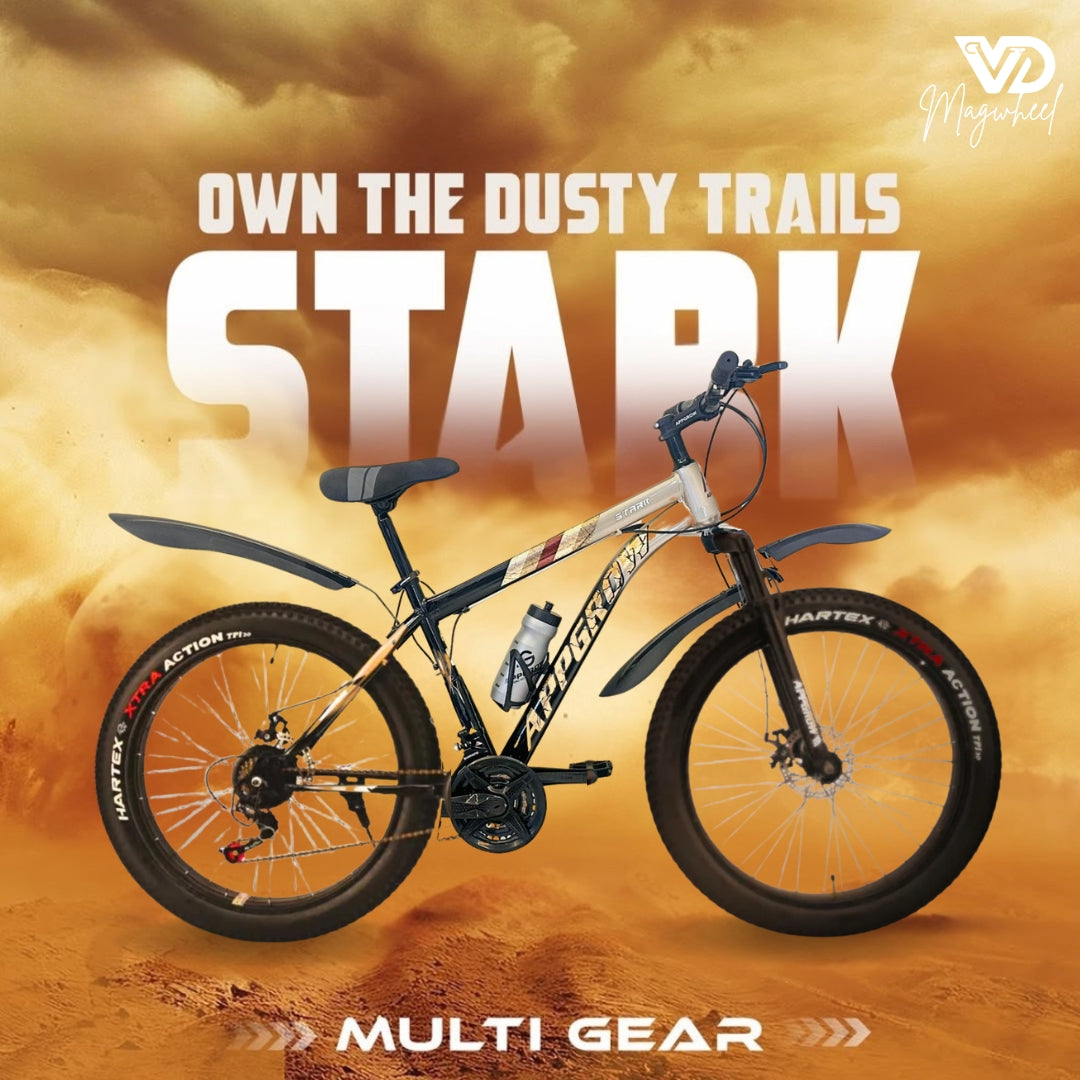
Off-Road Trails
MTB components can experience greater loads and require more frequent cleaning and inspection.
Wet & Humid Conditions
Moisture can increase corrosion and maintenance requirements when bicycles are not cleaned and stored appropriately.

Match the Bicycle to the Use
Using a bicycle within its intended category and riding conditions can help reduce unnecessary stress on components.
8. Maintenance Is Critical for Longevity
Regular maintenance can help identify wear before it becomes a larger problem. Cleaning, lubrication, tyre pressure checks, brake inspection, drivetrain inspection and periodic servicing are all useful parts of bicycle ownership.
- Keep the drivetrain reasonably clean.
- Lubricate the chain appropriately.
- Check tyre pressure regularly.
- Inspect brake pads and braking components.
- Check wheels for damage or unusual movement.
- Look for loose bolts and components.
- Inspect the chain and drivetrain for wear.
- Clean the bicycle after demanding or wet rides.
- Service suspension systems according to manufacturer guidance.
- Address unusual noises, play or handling problems promptly.

9. Storage Can Affect Bicycle Life
How a bicycle is stored also matters. Long-term exposure to rain, moisture, excessive heat, dirt or corrosive conditions can affect components and finishes.

Store the Bicycle Properly
Whenever possible, keep the bicycle in a clean, dry and suitable storage area. Avoid leaving it exposed to weather for extended periods.
10. Which Bicycle Types Can Last a Long Time?
MTB, hybrid, city and road bicycles can all provide long-term service when correctly selected, maintained and used for their intended purpose. Durability should therefore be evaluated from the complete bicycle rather than from the category name alone.
| Bicycle Type | Typical Considerations for Long-Term Use | Important Maintenance Areas |
|---|---|---|
| MTB | Frame, wheels, suspension, tyres and drivetrain | Drivetrain, suspension, brakes, wheels |
| Hybrid | Frame, wheels, tyres and drivetrain | Chain, gears, brakes, tyres |
| City Bicycle | Frame, wheels, practical components | Brakes, chain, tyres, bearings |
| Road Bike | Frame, wheels, drivetrain and tyres | Drivetrain, brakes, tyres, wheels |
| Kids Bicycle | Correct size, frame, wheels and components | Brakes, tyres, chain, wheels |
11. Bicycle Brand and Component Quality
Brand reputation can be one factor when comparing bicycles, but the actual frame, components, assembly, warranty and service support should also be considered.
When comparing two bicycles, look beyond the brand name and check the specifications and intended use of each model.

What Should You Check Before Buying a Durable Bicycle?
- Choose the correct bicycle category for your riding.
- Check frame construction and overall build quality.
- Compare the drivetrain and gear components.
- Check the brake system.
- Inspect wheel and hub specifications.
- Compare tyre quality and intended use.
- Consider suspension requirements if applicable.
- Check the bicycle's recommended usage.
- Review warranty coverage.
- Consider availability of service and replacement parts.
- Choose the correct size and fit.
- Consider your local riding and storage conditions.
Which Bicycle Material Is Most Durable?
There is no single frame material that is automatically the most durable for every rider. Steel and aluminium bicycles can both provide long-term use when the bicycle is appropriately designed, correctly used and properly maintained.
Instead of choosing solely by material, compare the complete bicycle, construction, components, intended use, maintenance requirements and warranty.

How to Make Your Bicycle Last Longer
The simplest way to improve bicycle longevity is to combine the right bicycle with regular maintenance and appropriate riding. Keep the bicycle clean, maintain the drivetrain, monitor tyre pressure, inspect brakes and wheels, and address mechanical problems before they become serious.
Frequently Asked Questions
Which bicycle lasts longest?
No single bicycle lasts longest in every situation. Lifespan depends on construction, components, usage, riding conditions, storage and maintenance.
Does a steel bicycle last longer than an aluminium bicycle?
Not automatically. Both materials can be used in durable bicycle frames. Construction quality, usage and maintenance are also important factors.
Can an MTB last for many years?
An MTB can provide long-term service when it is correctly sized, used for suitable riding conditions and maintained properly. Components such as tyres, drivetrain and suspension parts may require replacement or servicing over time.
What bicycle parts wear out first?
Wear varies with usage, but components such as tyres, brake pads, chains and drivetrain parts can require replacement before the frame.
Does regular servicing increase bicycle life?
Regular inspection and maintenance can help identify wear, maintain component function and reduce the chance of small mechanical issues becoming larger problems.
Useful Bicycle Guides
Conclusion
A long-lasting bicycle is not determined by one specification alone. Frame construction, component quality, riding conditions, correct sizing, maintenance, storage and intended use all contribute to bicycle longevity. Choose a bicycle that matches your riding needs and maintain it regularly to support reliable long-term ownership.