



















Which Bicycle Is Best for Girls? Complete Bicycle Buying Guide for Girls in India
The right bicycle for a girl depends on her height, bicycle size, riding purpose, comfort, frame design, tyres, gears, brakes and the roads where she will ride. There is no single bicycle that is best for every girl. Bicycle selection should be based on the rider's actual size, needs and riding environment rather than gender stereotypes.
What Makes a Good Bicycle for Girls?
A suitable bicycle should fit the rider correctly, provide comfortable control and match the type of riding she plans to do. Depending on the rider and purpose, an MTB, hybrid, city, road, folding or other bicycle category may be appropriate.
Colour, styling and marketing labels can be personal preferences, but they should not replace the important factors of bicycle fit, frame geometry, components and intended use.

How to Choose the Right Bicycle for a Girl

A practical buying process is:
- Measure the rider's height.
- Check the manufacturer's recommended bicycle size.
- Consider inseam and comfortable standover clearance where applicable.
- Choose the bicycle category according to the riding purpose.
- Check frame geometry and riding position.
- Compare bicycle weight.
- Check tyres and wheel size.
- Compare gears and drivetrain.
- Check the braking system.
- Consider suspension according to the riding environment.
- Review warranty, service and spare-parts support.
1. Bicycle Size Should Come First

Correct Fit Is More Important Than Gender
Bicycle sizing should be based on the rider's height, proportions and the geometry of the specific bicycle. A bicycle that is too large or too small can affect comfort, handling and confidence.
Check the manufacturer's recommended rider-height range for the exact model instead of choosing a size only from the rider's age.
You can also refer to the VD Chawla Cycles Cycle Size Guide before selecting a bicycle.
2. Wheel Size and Frame Size

Choose According to the Rider
Wheel size and frame size work together. For younger riders, common wheel sizes include 16T, 18T, 20T and 24T, while taller riders may use larger bicycle sizes depending on the frame design.
For adult or taller teenage riders, frame size and geometry become particularly important. Always verify the size recommendation for the exact bicycle.
3. Choose the Bicycle Category
The best category depends on how the bicycle will be used. Gender alone does not determine whether an MTB, hybrid, road, city or folding bicycle is appropriate.
MTB
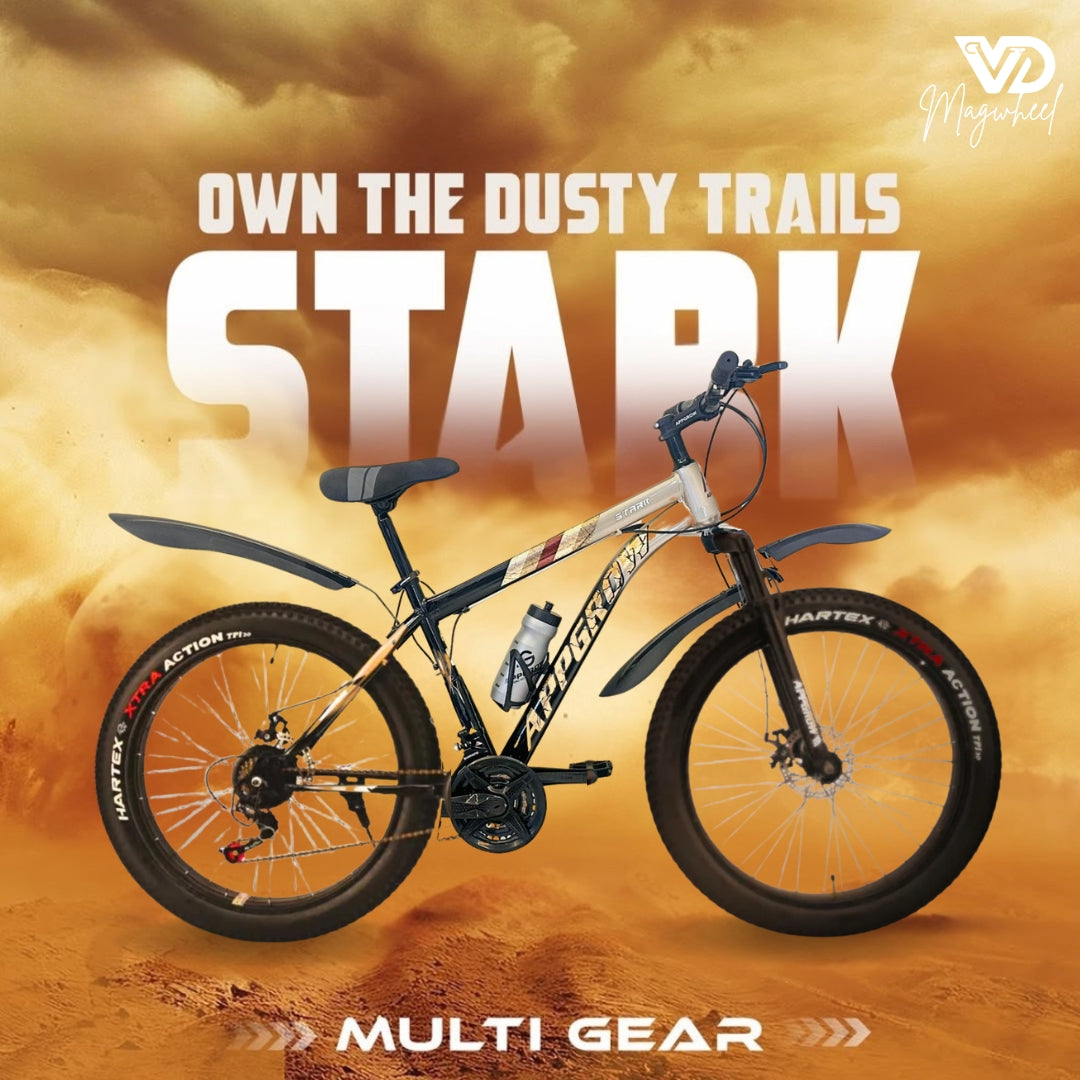
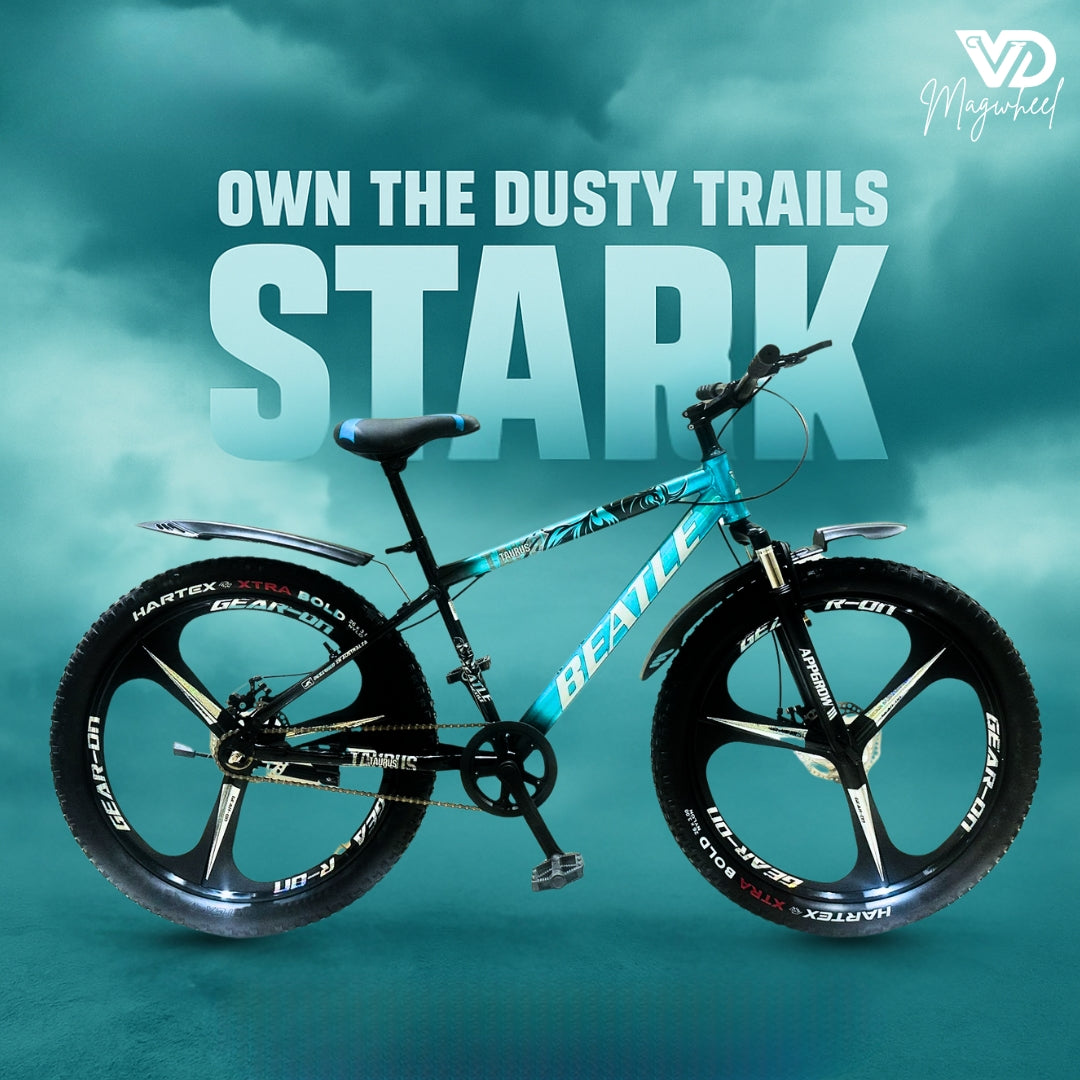
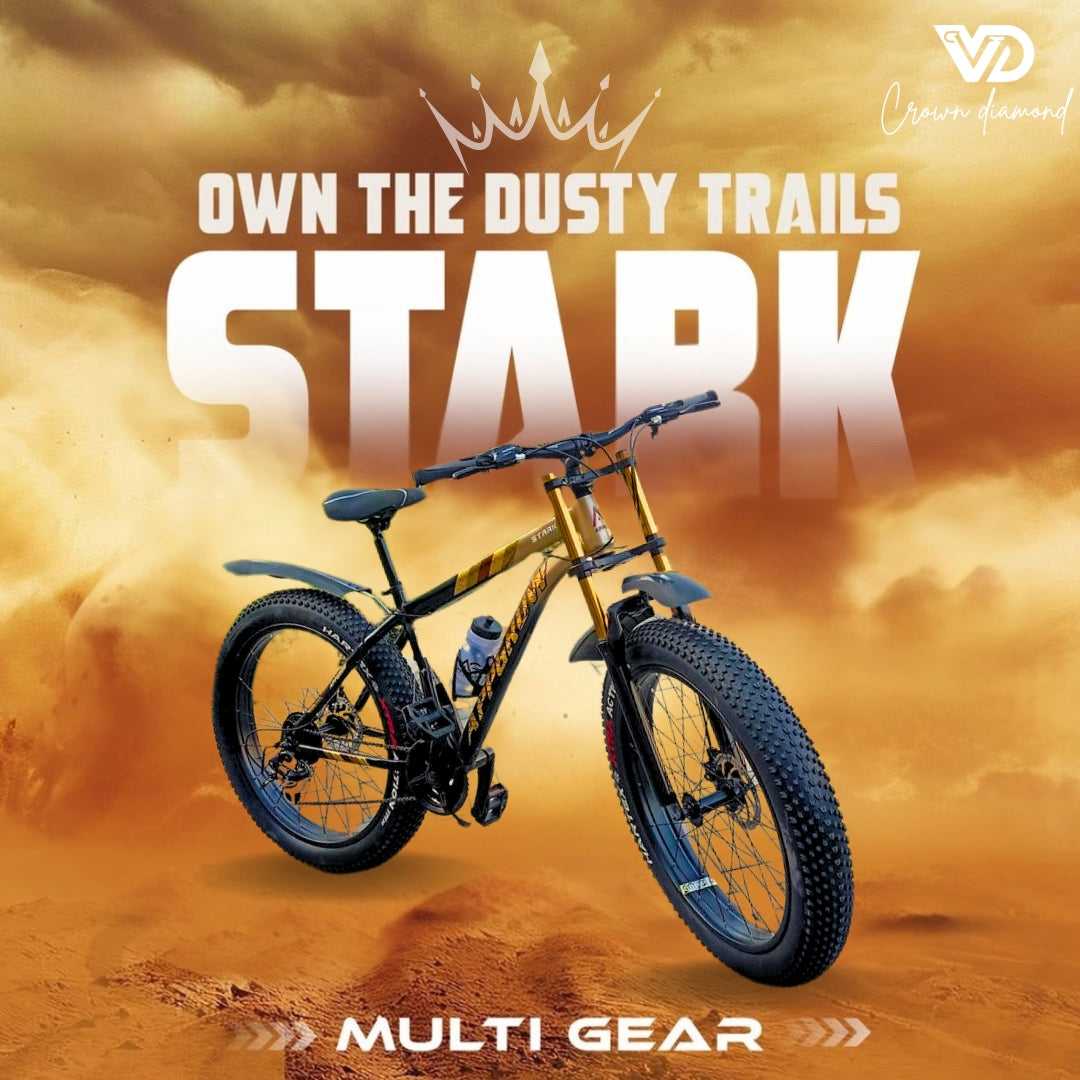
An MTB-style bicycle can be suitable for riders who want wider tyres, an MTB frame and, depending on the model, a suspension fork for mixed or rougher riding.
Hybrid
A hybrid bicycle can be suitable for riders looking for a versatile road-oriented bicycle for everyday and recreational riding.
City Bicycle
A city-oriented bicycle can be practical for regular urban riding where comfort and easy handling are important.
Road Bike
A road bicycle can be appropriate for riders specifically interested in road-focused riding, narrower tyres and a road-oriented riding position.
4. Frame Design and Riding Position

Frame geometry affects how easy a bicycle is to mount, control and ride. Depending on the model, a lower step-over design may make mounting and dismounting easier for some riders.
However, a low-step frame is not automatically better for every rider. The frame should still provide the correct fit, stability and riding position.
5. Consider Bicycle Weight

Weight Can Affect Handling
Bicycle weight can influence how easily the rider accelerates, turns, parks and moves the bicycle when not riding.
A lighter bicycle is not automatically the best option. Compare weight together with frame construction, wheels, tyres, drivetrain and the rider's actual requirements.
6. Geared vs Non-Geared Bicycle

Choose According to the Route
Geared bicycles provide multiple gear ratios that can help adapt pedalling effort to different terrain. Non-geared bicycles have a simpler drivetrain.
If the rider mainly uses the bicycle on relatively simple routes, a non-geared setup may provide straightforward operation. If the route includes varying slopes, multiple gears may be useful.
| Bicycle Type | General Characteristics | Consider When |
|---|---|---|
| Non-Geared | Simple drivetrain with one primary gear ratio. | You prefer straightforward operation and the route does not require multiple ratios. |
| Geared | Multiple ratios for different pedalling conditions. | You want more flexibility across different slopes and riding conditions. |
7. Brakes and Control

The rider should be able to comfortably reach and operate the brake levers. Brake type can vary by bicycle and category, including rim brakes, mechanical disc brakes and hydraulic disc brakes.
For younger riders, control and appropriate lever reach can be particularly important. Always check that the bicycle's controls are suitable for the rider.
8. Tyres and Wheel Setup

Match Tyres to the Riding Surface
Tyre width and tread influence grip, comfort and rolling behaviour. A bicycle used mainly on paved roads may use a different tyre setup from one intended for rougher surfaces.
Check tyre size, width and tread and maintain tyre pressure according to the manufacturer's recommendation.
9. Suspension or Rigid Fork?
Suspension is not necessary for every rider. A rigid fork can be appropriate for smoother roads, while a suspension fork may provide additional comfort on certain uneven surfaces.
The decision should be based on the riding environment and bicycle category rather than the rider's gender.
10. Comfort and Riding Position

Comfort depends on correct bicycle size, saddle height, handlebar position, frame geometry, tyre pressure and riding style.
The rider should be able to maintain a comfortable position while reaching the controls without excessive stretching or difficulty.
11. Safety and Everyday Riding

Match the Bicycle to the Environment
Consider the roads and surroundings where the bicycle will be used. Urban roads, neighbourhood streets, school routes, parks and rougher surfaces can require different bicycle characteristics.
Riders should follow applicable traffic rules, use appropriate safety equipment and ride according to their experience and local conditions.
12. Practical Features
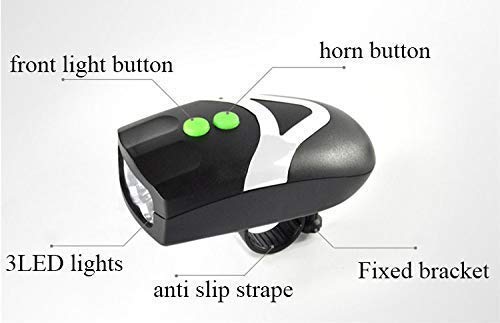
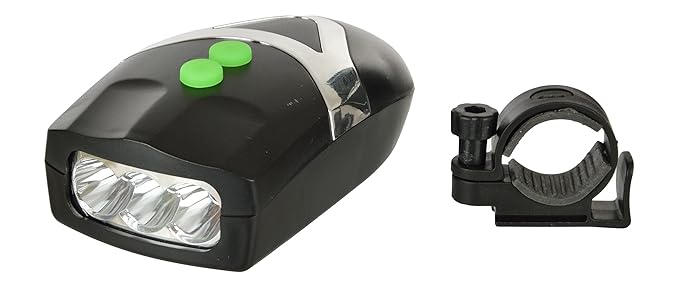
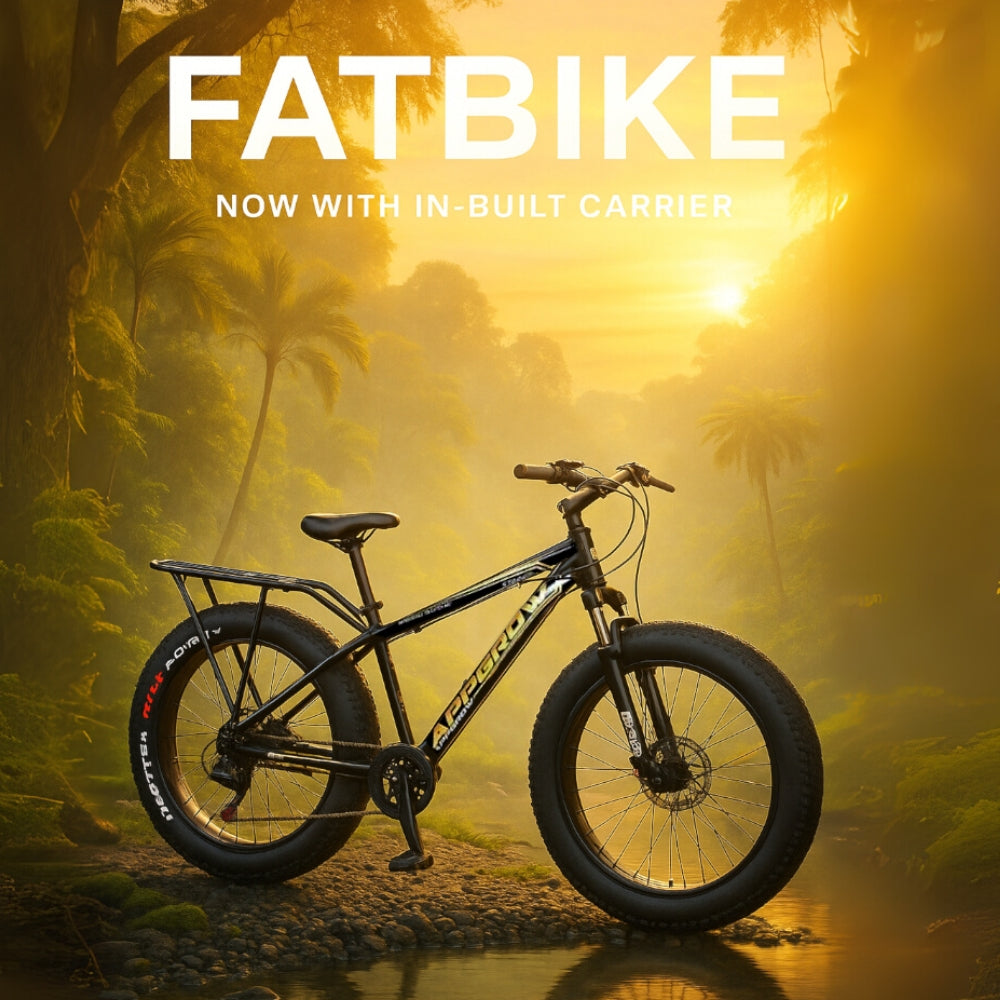
Depending on the rider's needs, practical features can include a rear carrier, mudguards, kickstand, chain guard, reflectors or integrated lighting.
These features should be selected according to actual use rather than simply adding as many accessories as possible.
13. Brand, Warranty and Service
Before buying, check the bicycle manufacturer's warranty, service support and availability of replacement parts for the specific model.
Long-term ownership involves more than the initial purchase. Easy access to compatible parts and service can make routine maintenance more convenient.
Bicycle Comparison Checklist for Girls

- Rider height.
- Recommended bicycle size.
- Wheel size.
- Frame geometry.
- Standover and mounting comfort where applicable.
- Overall bicycle weight.
- Tyre width and tread.
- Geared or non-geared drivetrain.
- Brake type and lever reach.
- Rigid or suspension fork.
- Saddle height adjustment.
- Handlebar position and reach.
- Practical accessories if required.
- Warranty coverage.
- Service and spare-parts availability.
Which Bicycle Should a Girl Choose?

The appropriate bicycle should be selected based on the rider's size, riding purpose and environment. A girl who wants an MTB does not need a different bicycle simply because she is a girl; the important factors are fit, category and specifications.
For a younger rider, correct wheel size and easy control may be especially important. For a taller teenager or adult rider, frame size, geometry and riding position become increasingly important.
How to Choose Between Different Bicycle Types
| Requirement | Possible Bicycle Category | What to Compare |
|---|---|---|
| Everyday city riding | City / Hybrid | Comfort, tyres, gearing and riding position. |
| Mixed riding | Hybrid / MTB | Tyres, frame, gearing, brakes and fork. |
| Rougher surfaces | MTB | Tyres, frame, fork, brakes and drivetrain. |
| Road-focused riding | Road Bike | Geometry, tyres, gearing and riding position. |
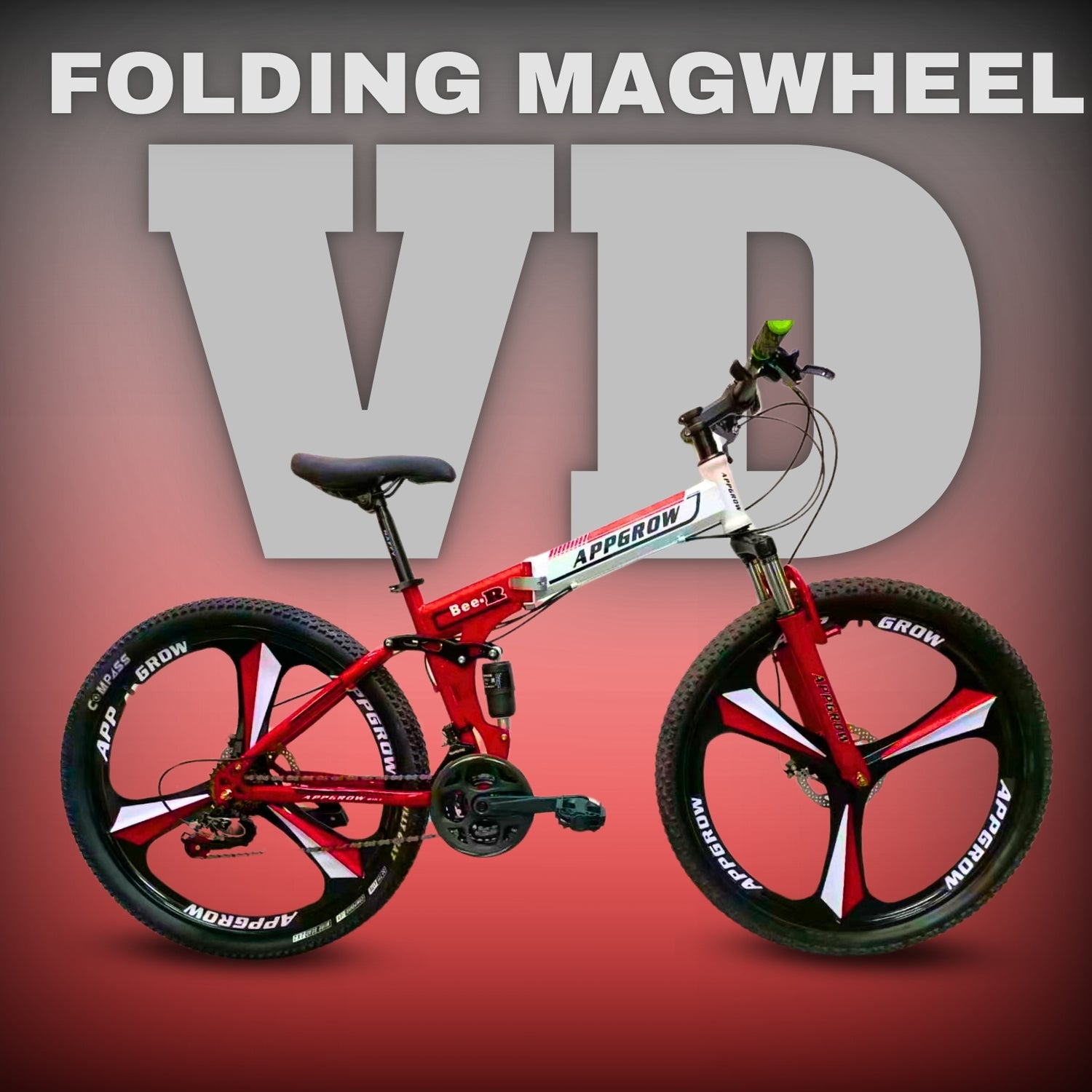
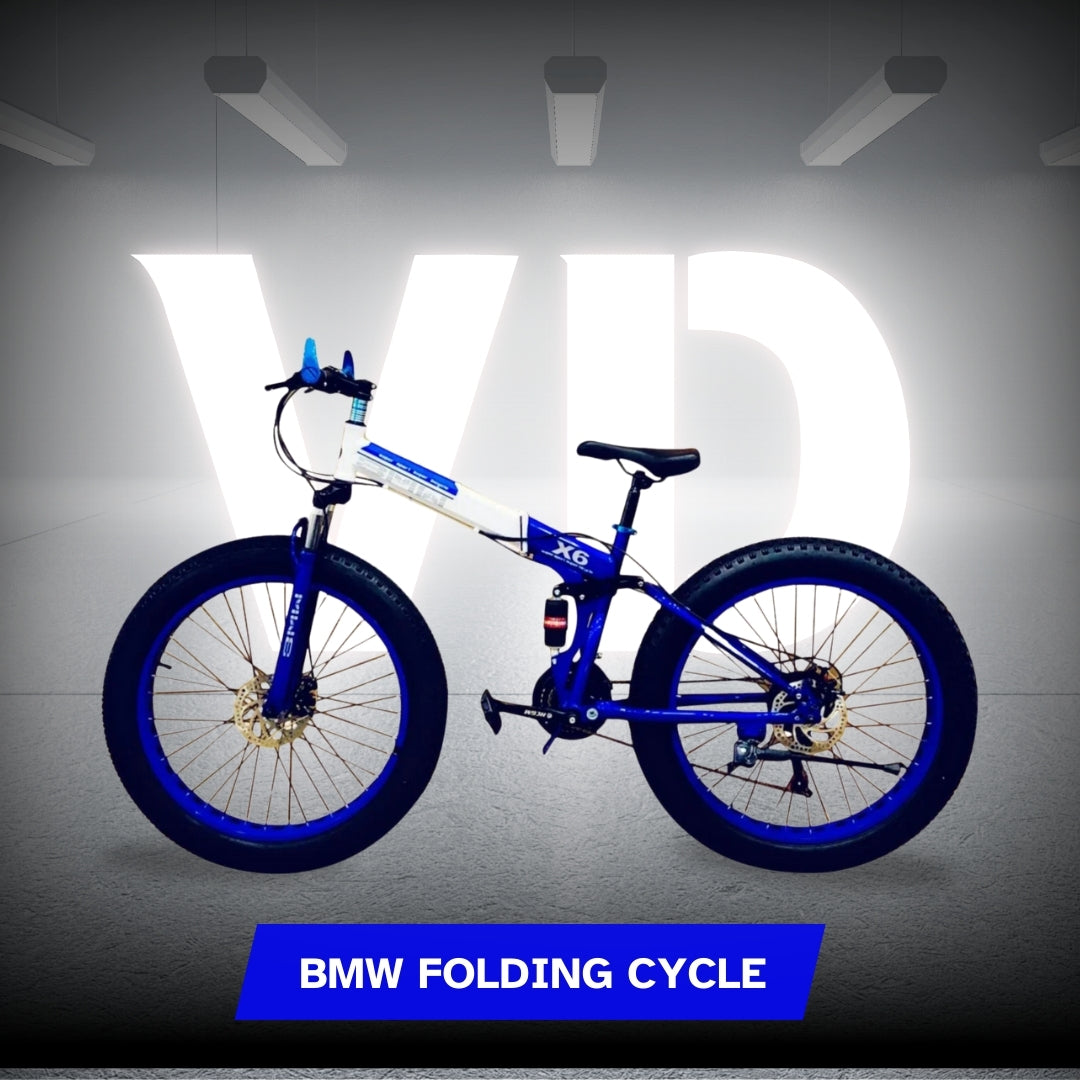
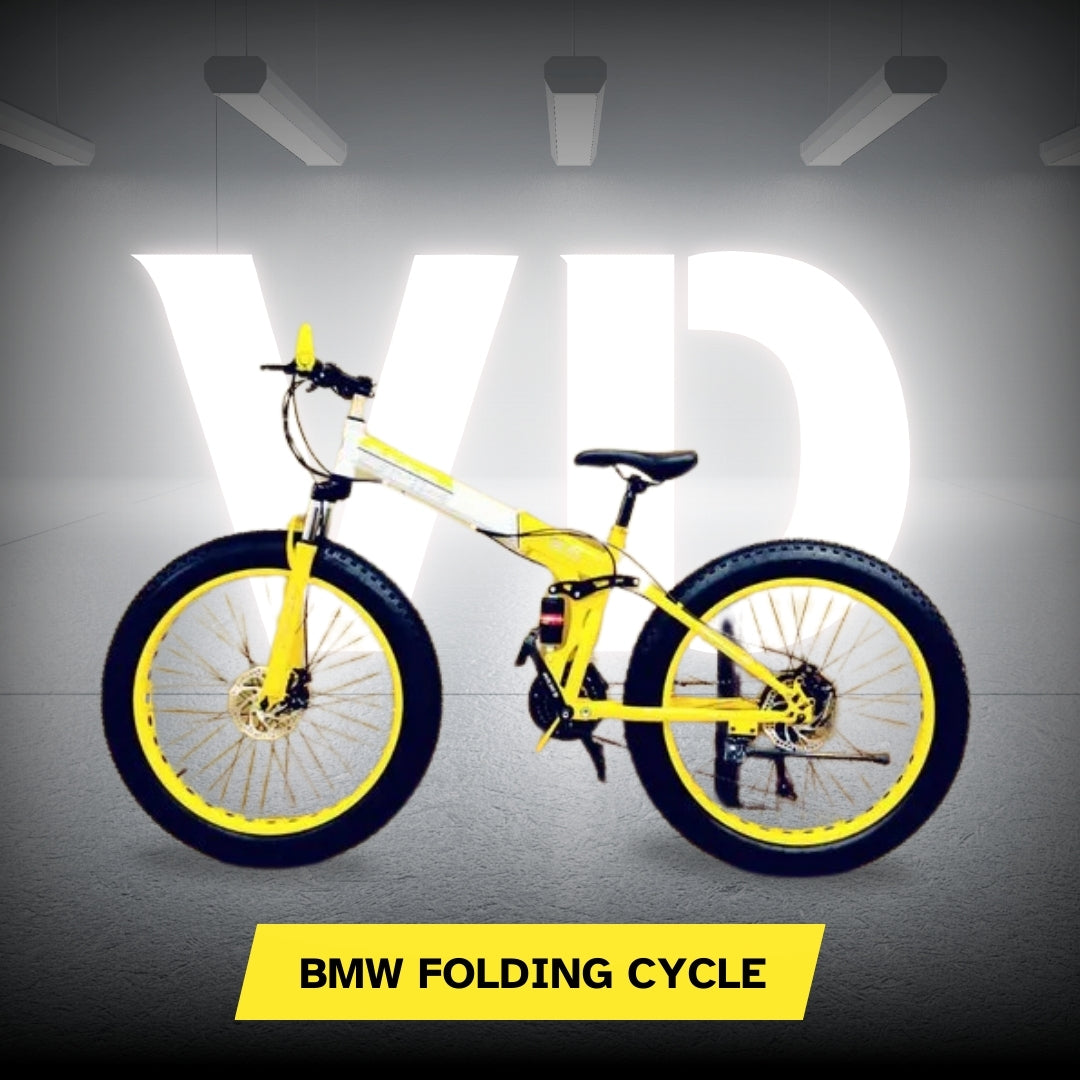
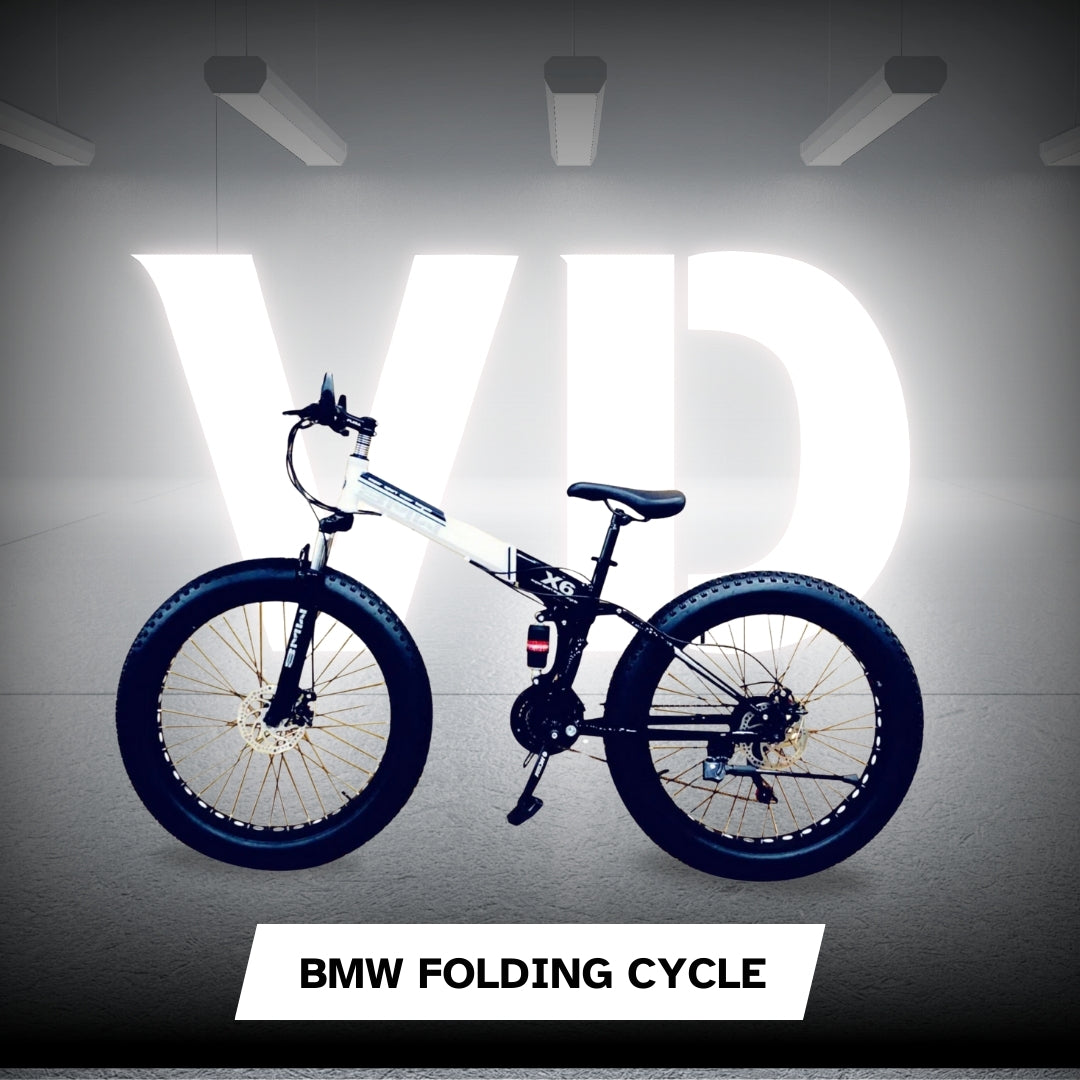
| Compact storage | Folding Bike | Folded size, weight and folding mechanism. |
Compare Bicycles Before Buying
You can explore different bicycle categories through the VD Chawla Cycles bicycle collection.
For MTB options, visit the MTB Cycles collection. For road-oriented bicycles, explore the Road Bikes collection.
For sizing information, use the Cycle Size Guide.
Start with rider height and bicycle fit, then choose the category and specifications according to the actual riding requirement. Avoid choosing a bicycle based only on colour or gender-specific marketing.
For store assistance, visit VD Chawla Cycles Contact.
Frequently Asked Questions
Which bicycle is best for girls?
The appropriate bicycle depends on the rider's height, bicycle size, riding purpose, terrain, comfort and preferred features. Gender alone does not determine which bicycle category is suitable.
What size bicycle is suitable for a girl?
Bicycle size should be selected according to the rider's height, proportions and the manufacturer's recommended size for the exact model. Wheel size alone does not determine fit.
Is an MTB suitable for girls?
Yes. An MTB can be suitable for any rider when the frame size, geometry and specifications match the rider and intended riding conditions.
Is a geared bicycle good for girls?
A geared bicycle can be useful when the rider needs different gear ratios for varying terrain. The choice should depend on the route and rider's ability to operate the controls.
Is a lightweight bicycle better for girls?
Bicycle weight can affect handling and carrying, but it should be considered together with frame construction, size, wheels and components. The correct size and fit remain important.
Should girls choose a ladies' bicycle frame?
Not necessarily. A step-through or other frame design may be preferred for its mounting and riding characteristics, but frame selection should depend on rider fit, comfort, intended use and personal preference.
What should parents check before buying a bicycle for a girl?
Check the rider's height, bicycle size, frame fit, weight, brakes, tyres, gears, riding position, intended use, warranty and service support.
Useful Bicycle Guides
Conclusion
Choosing a bicycle for a girl should begin with the rider, not a gender label. Height, bicycle size, frame geometry, riding purpose, tyres, gears, brakes, suspension and comfort are the important factors to compare.
Whether the rider prefers an MTB, hybrid, city, road or folding bicycle, the best approach is to choose a properly sized bicycle that she can comfortably control and that matches her actual riding environment.