



















Which Bicycle Has the Least Maintenance? Complete Low-Maintenance Bicycle Guide for India
If you want a bicycle that is simple to maintain, look beyond the number of gears or the bicycle's appearance. Maintenance requirements depend on the drivetrain, brakes, suspension, tyres, riding conditions, usage and how regularly the bicycle is cleaned and serviced.
In general, a simpler bicycle with fewer moving and adjustable components can require less routine maintenance than a more complex bicycle. A basic non-geared bicycle can have fewer drivetrain components to maintain, while geared bicycles, suspension systems and certain brake systems may require additional inspection, adjustment or servicing. However, the actual maintenance requirement depends on the complete bicycle and how it is used.

What Makes a Bicycle Low Maintenance?
A low-maintenance bicycle generally has a relatively simple mechanical system, fewer adjustment points and components that are easy to inspect and service.
This does not mean that a bicycle requires no maintenance. Tyres, brakes, chains, bearings and other wear components still need regular inspection and replacement when required.

1. Non-Geared vs Geared Bicycle
The drivetrain is one of the biggest factors affecting maintenance. A non-geared bicycle has a simpler drivetrain, while a multi-speed bicycle includes additional components such as shifters, derailleurs, multiple sprockets and additional cables or mechanisms depending on the system.

Why Simpler Drivetrains Can Be Easier to Maintain
A single-speed or non-geared bicycle has fewer shifting components. This can make routine drivetrain inspection and adjustment simpler for everyday riders.
2. What About Gears?
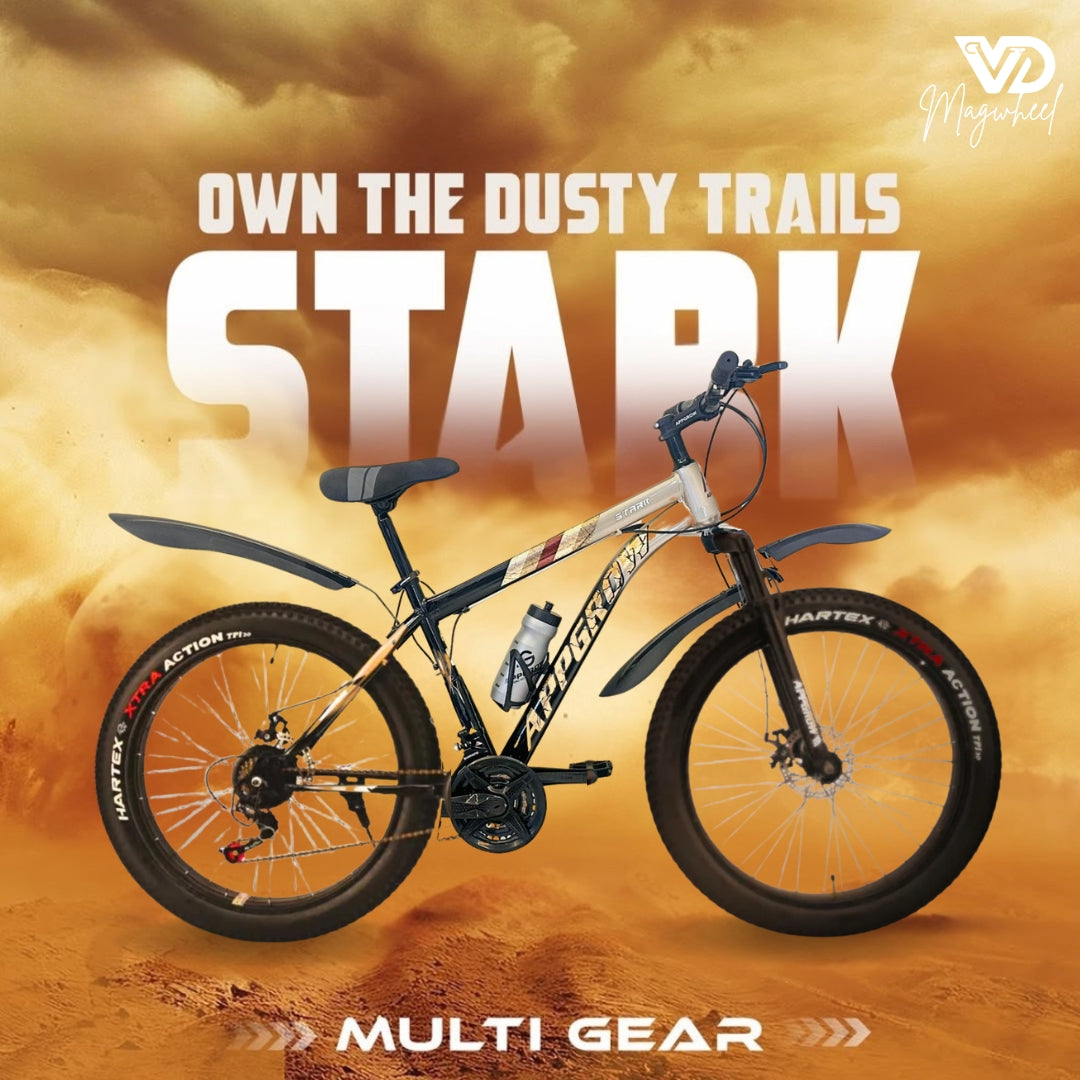
Geared bicycles provide different gear ratios that can be useful for hills, varied terrain and different riding speeds. However, the gear system introduces additional components that require adjustment and maintenance.
Non-Geared
Simpler drivetrain with fewer shifting components and generally straightforward routine maintenance.
Geared
More drivetrain components and adjustment points, but useful when different gear ratios are required.

Choose Gears According to Your Riding
Do not avoid gears only to reduce maintenance if your regular routes require different gear ratios. Choose the drivetrain according to actual riding requirements.
3. Suspension and Maintenance
Suspension forks contain additional moving parts compared with rigid forks. They can improve comfort and control for appropriate riding conditions, but they also require inspection and servicing.

4. Which Brake System Needs Less Maintenance?
Brake maintenance depends on the brake design, riding conditions, component quality and usage. Different brake systems have different adjustment and replacement requirements.
Rim Brakes
Relatively straightforward to inspect and adjust. Brake pads and cables can wear over time.
Mechanical Disc Brakes
Use cables and disc brake components. Cable condition, pad wear and rotor alignment require attention.
Hydraulic Disc Brakes
Offer a different braking system but may require specialised servicing when hydraulic maintenance is needed.
Maintenance Priority
Regardless of brake type, brake condition should be checked regularly because braking is critical for bicycle control and safety.

Keep Brakes Properly Adjusted
Inspect pads, cables, rotors and other brake components according to the bicycle's brake system and usage.
5. Tyres and Maintenance
Tyres are among the bicycle's regular wear components. Their lifespan depends on tyre construction, pressure, rider weight, riding surface, mileage and riding style.

Simple Checks Can Prevent Problems
Check tyre pressure, tread condition, cuts, cracks and unusual wear. Correct inflation can also help the bicycle perform as intended.
6. Chain and Drivetrain Maintenance
Bicycles with chains require regular attention. Dirt, moisture and poor lubrication can increase wear and affect shifting and pedalling performance.

7. Bicycle Type and Maintenance Requirements
Different bicycle categories have different component combinations. The following comparison helps explain why maintenance requirements can vary.
| Bicycle Type | Typical Maintenance Considerations | Complexity Factors |
|---|---|---|
| Single-Speed / Non-Geared | Chain, brakes, tyres, wheels and bearings | Simple drivetrain |
| City Bicycle | Chain, brakes, tyres, wheels and practical components | Varies by specification |
| Hybrid Bicycle | Drivetrain, brakes, tyres and wheels | Usually more components than basic single-speed models |
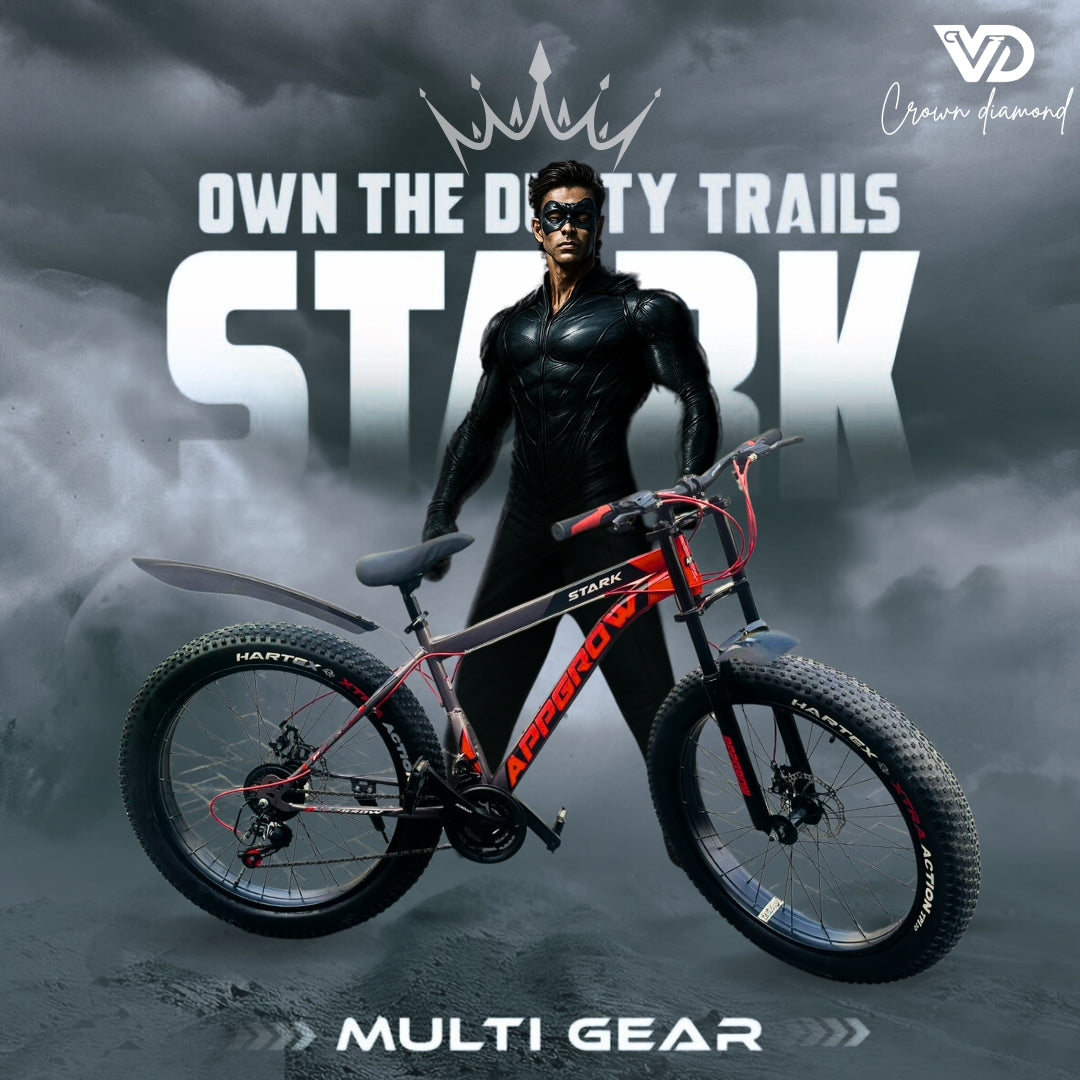
| MTB | Drivetrain, brakes, tyres, wheels and suspension if equipped | Can have more adjustment and service requirements |
| Road Bike | Drivetrain, brakes, tyres and wheels | Component setup varies by model |
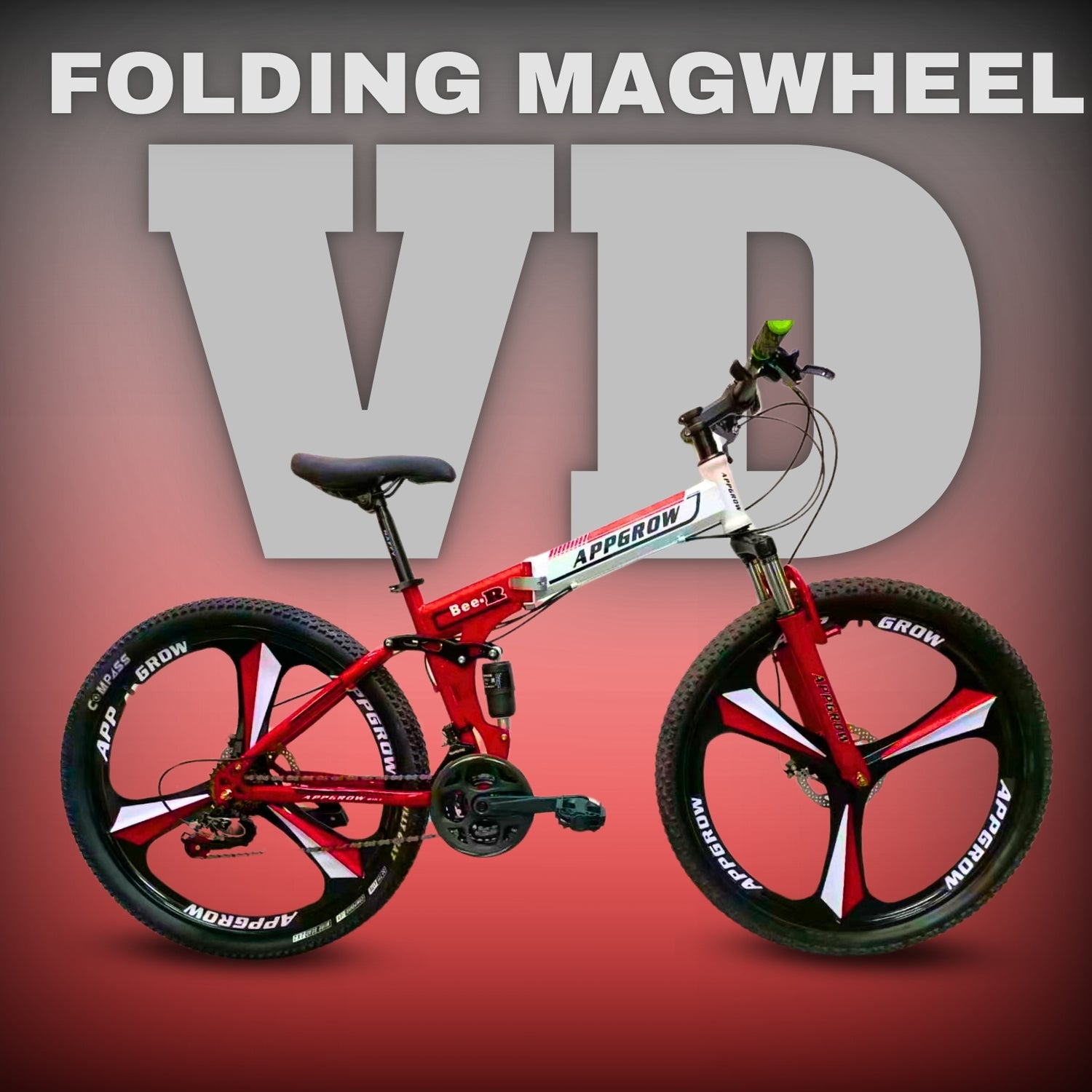
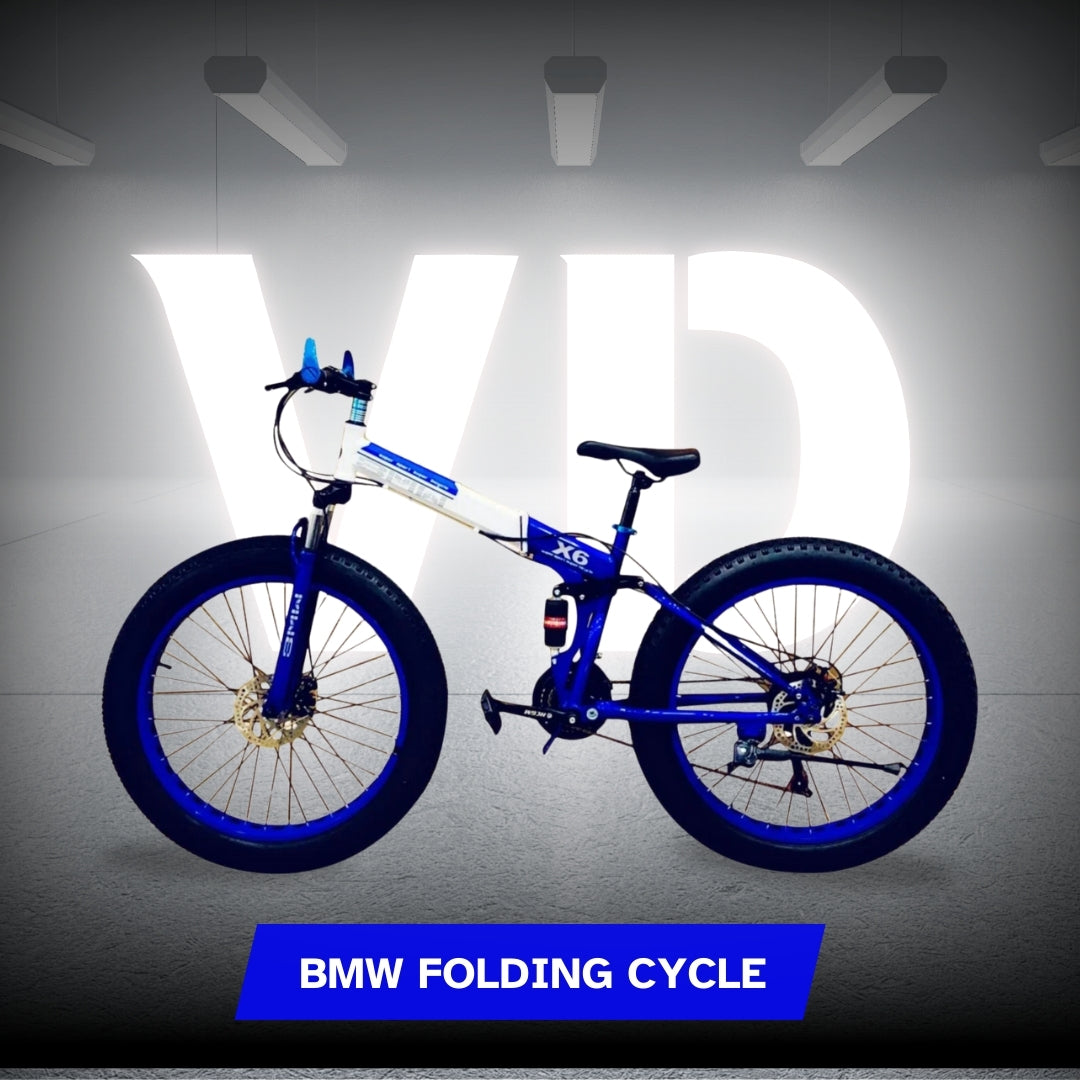
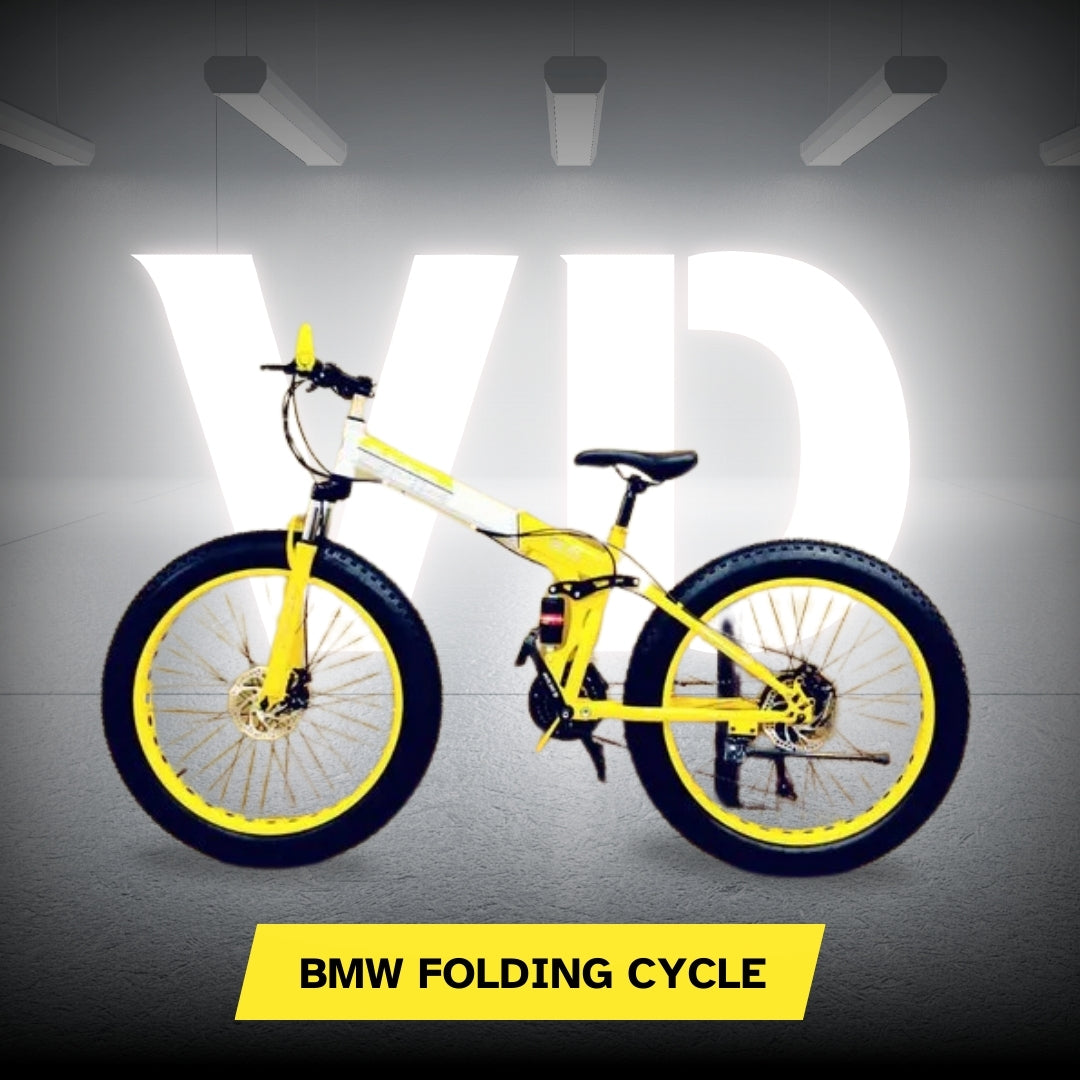
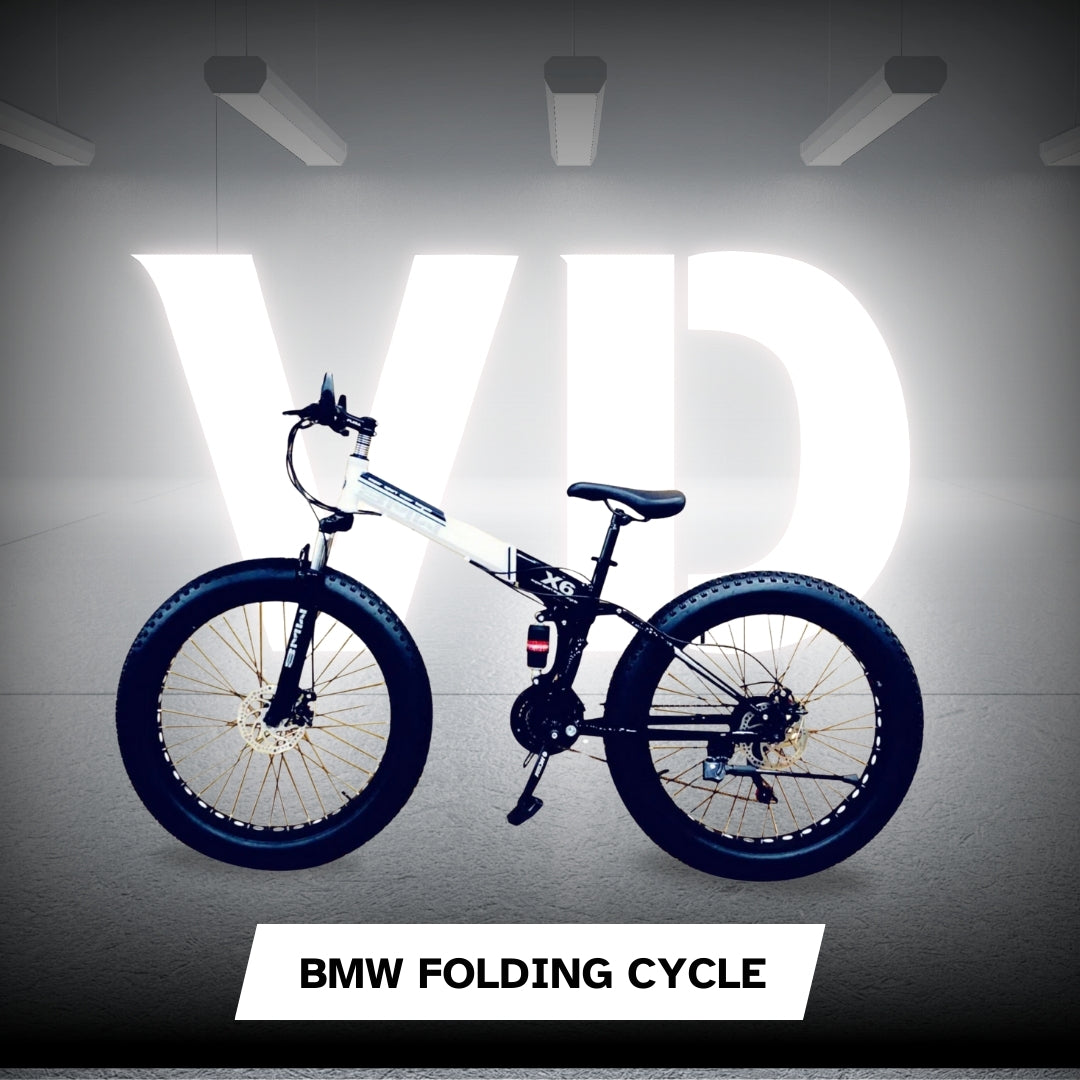
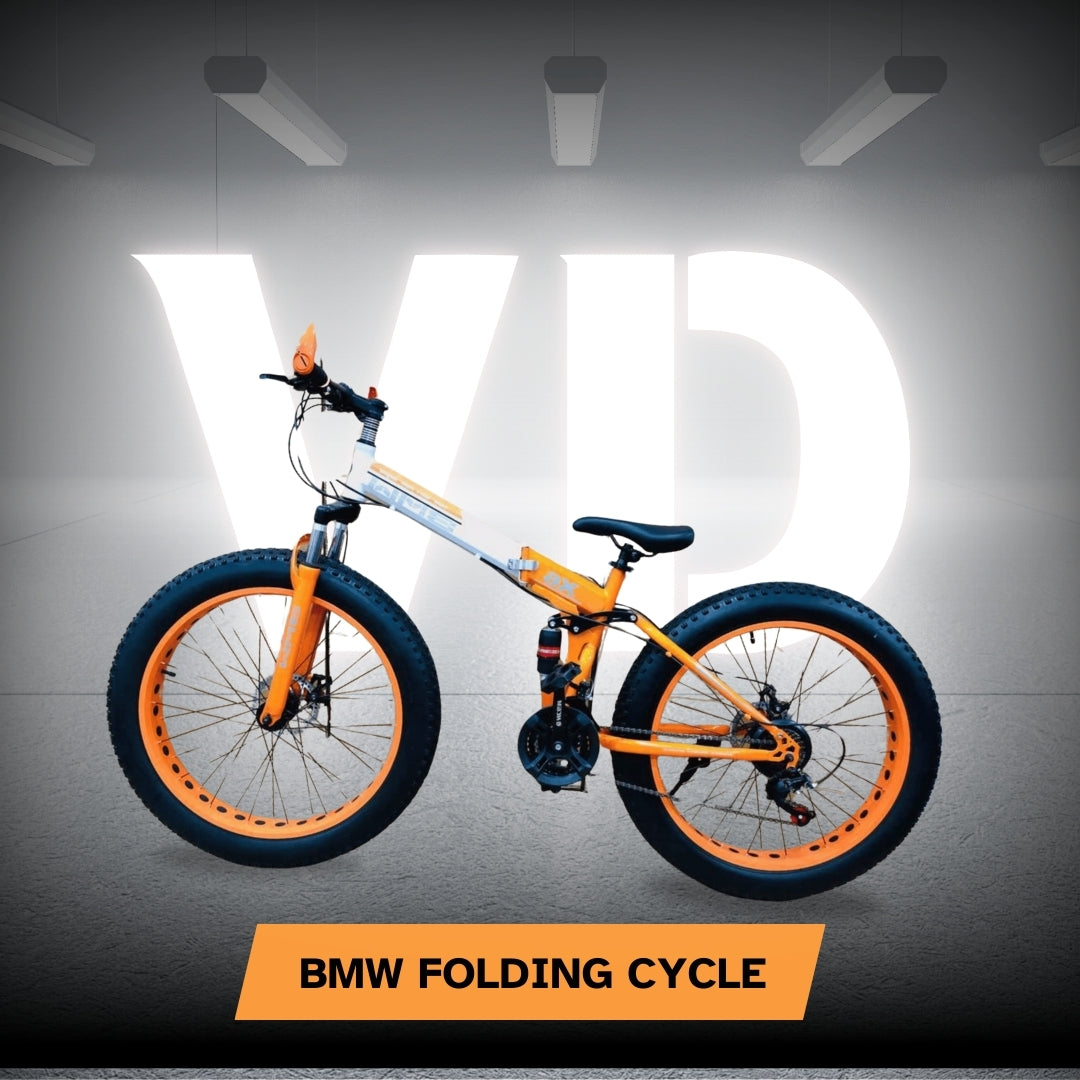
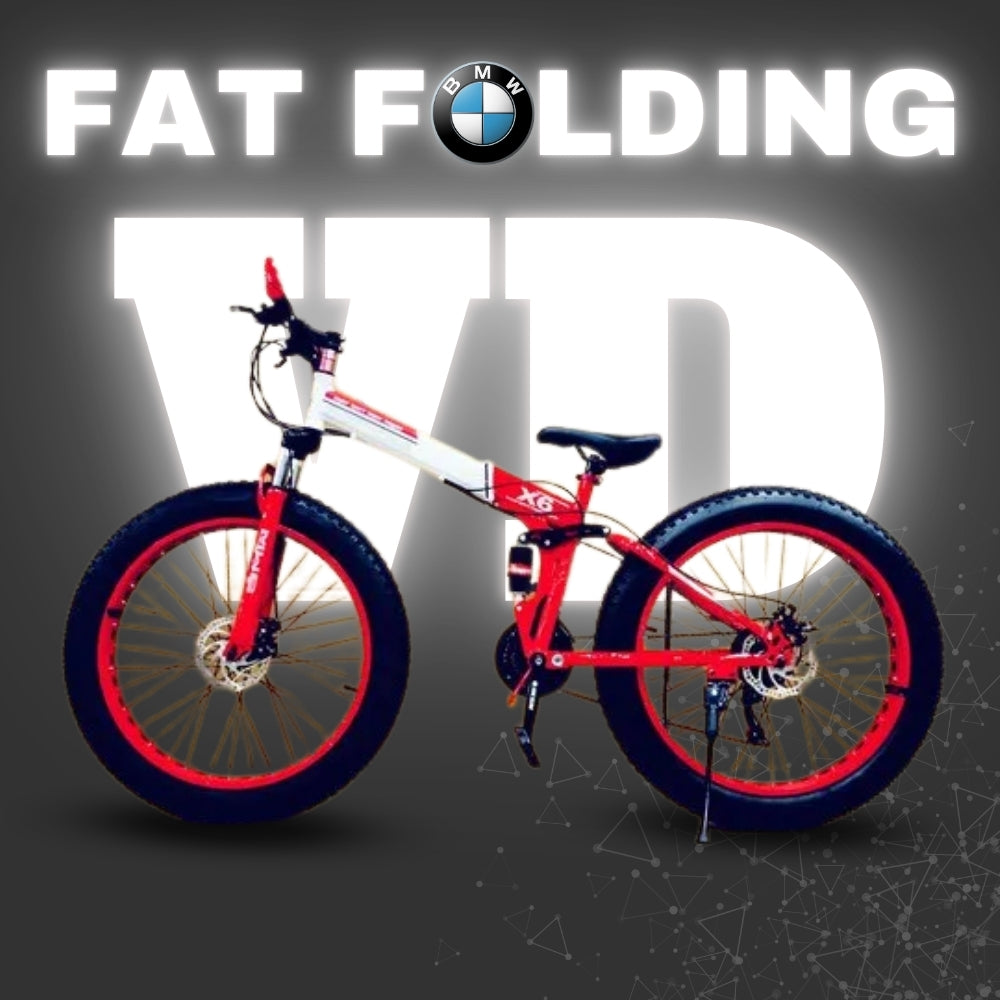
| Folding Bicycle | Drivetrain, brakes, tyres and folding mechanism | Folding mechanism adds another system to inspect |
8. What Is the Simplest Bicycle to Maintain?
For riders whose priority is a straightforward mechanical setup, a basic non-geared or single-speed bicycle can be a practical option. It has fewer drivetrain components than a multi-speed bicycle.
However, simplicity should not be the only consideration. If the rider regularly encounters slopes, varied terrain or longer distances, additional gears may provide useful riding flexibility.

Simple Does Not Mean Maintenance-Free
Even a basic bicycle needs tyre checks, brake inspection, chain care, wheel inspection and periodic servicing.
9. Riding Conditions Affect Maintenance
A bicycle used in clean, dry urban conditions can have different maintenance requirements from one regularly exposed to rain, mud, dust, rough roads or off-road trails.
Clean Paved Roads
Usually produce less dirt exposure than muddy or heavily contaminated riding environments.
Dusty Roads
Dust can accumulate around the drivetrain and moving components, increasing the need for cleaning.
Wet Conditions
Water exposure makes cleaning, drying and corrosion prevention more important.
Off-Road Riding
Mud, impacts and rough surfaces can increase cleaning and inspection requirements.

10. Regular Maintenance Checklist
- Check tyre pressure regularly.
- Inspect brake pads and braking performance.
- Keep the chain clean and appropriately lubricated.
- Check the drivetrain for unusual noise or wear.
- Inspect wheels for wobble or damaged spokes.
- Check important bolts and components.
- Clean the bicycle after dusty or wet rides.
- Inspect suspension components when applicable.
- Replace worn tyres, brake pads and drivetrain parts when necessary.
- Schedule professional servicing when required.

Preventive Maintenance
Regular small checks can help identify wear early and keep the bicycle working properly instead of waiting for a major mechanical problem.
11. How to Choose a Low-Maintenance Bicycle
If low maintenance is a major priority, compare bicycles using the following factors before buying.
- Choose a bicycle category suitable for your normal riding.
- Consider a simpler drivetrain if you do not need multiple gears.
- Check the brake system and its maintenance requirements.
- Consider whether suspension is actually necessary for your routes.
- Choose durable and suitable tyres.
- Check availability of replacement parts.
- Consider local service and repair support.
- Choose the correct bicycle size and fit.
- Follow the manufacturer's maintenance recommendations.

Does a More Expensive Bicycle Need Less Maintenance?
Not necessarily. Price alone does not determine maintenance requirements. A more expensive bicycle may use different components or systems that require their own servicing.
Instead of judging maintenance by price, compare the bicycle's drivetrain, brakes, suspension, components, intended use and service requirements.
Which Bicycle Has the Least Maintenance?
For riders looking for a simple mechanical setup, a basic non-geared or single-speed bicycle can generally have fewer drivetrain-related maintenance points than a multi-speed bicycle.
However, there is no universally maintenance-free bicycle. Tyres, brakes, chains, wheels and other components still require inspection and periodic replacement. The lowest-maintenance choice should therefore match both the rider's preferred simplicity and actual riding requirements.

Frequently Asked Questions
Which bicycle has the least maintenance?
A basic non-geared or single-speed bicycle can have fewer drivetrain maintenance requirements than a multi-speed bicycle, although all bicycles require routine inspection and care.
Is a non-geared cycle easier to maintain?
Generally, its drivetrain is simpler because it does not use a multi-speed shifting system. Other bicycle components still require regular maintenance.
Do geared cycles require more maintenance?
They can require additional drivetrain inspection and adjustment because they use more shifting components than a basic single-speed bicycle.
Does suspension increase maintenance?
Suspension adds moving components and can require additional inspection and servicing compared with a rigid fork.
Is a city bicycle low maintenance?
Some city bicycles can be relatively simple to maintain, but maintenance depends on the actual specification, drivetrain, brakes, tyres and other components.
How can I reduce bicycle maintenance?
Choose a bicycle that matches your riding needs, keep the drivetrain clean, maintain correct tyre pressure, inspect brakes and wheels regularly, store the bicycle properly and service components when required.
Useful Bicycle Guides
Conclusion
A bicycle with a simple drivetrain and fewer mechanical adjustment points can be easier to maintain, but the right choice depends on how and where you ride. Consider gears, brakes, suspension, tyres, riding conditions, service requirements and replacement parts before choosing a low-maintenance bicycle.